

As global temperatures continue to rise, homeowners are seeking innovative ways to keep their living spaces cool without relying solely on energy-intensive air conditioning. Whether you’re facing scorching summers or year-round heat, these eight home modifications can transform your living environment into a refreshing oasis, even during the hottest months.

1. Strategic Window Treatments
The sun’s rays entering through windows can significantly increase indoor temperatures. Investing in thermal curtains, cellular shades, or exterior shutters can block heat before it penetrates your home. Solar window films offer another effective solution, reducing heat transfer while still allowing natural light. For optimal results, install light-colored window treatments that reflect rather than absorb heat.
Modern options include smart window coverings that automatically adjust throughout the day based on the sun’s position and indoor temperature readings. These systems can be programmed to close during peak heat hours and open when temperatures drop, maximizing cooling efficiency with minimal effort.
2. Reflective Roofing Solutions
Your roof absorbs tremendous amounts of solar radiation, which translates to higher indoor temperatures. Consider installing a “cool roof” with reflective materials that can reduce roof surface temperatures by up to 50°F. These roofing systems reflect more sunlight and absorb less heat than standard roofing materials.
Options include specially coated metal roofs, tiles with reflective properties, or even simple white elastomeric roof coatings that can be applied over existing roofing. The temperature difference can be dramatic, potentially reducing cooling costs by 15-20% during summer months.
3. Ceiling Fans with Style and Substance
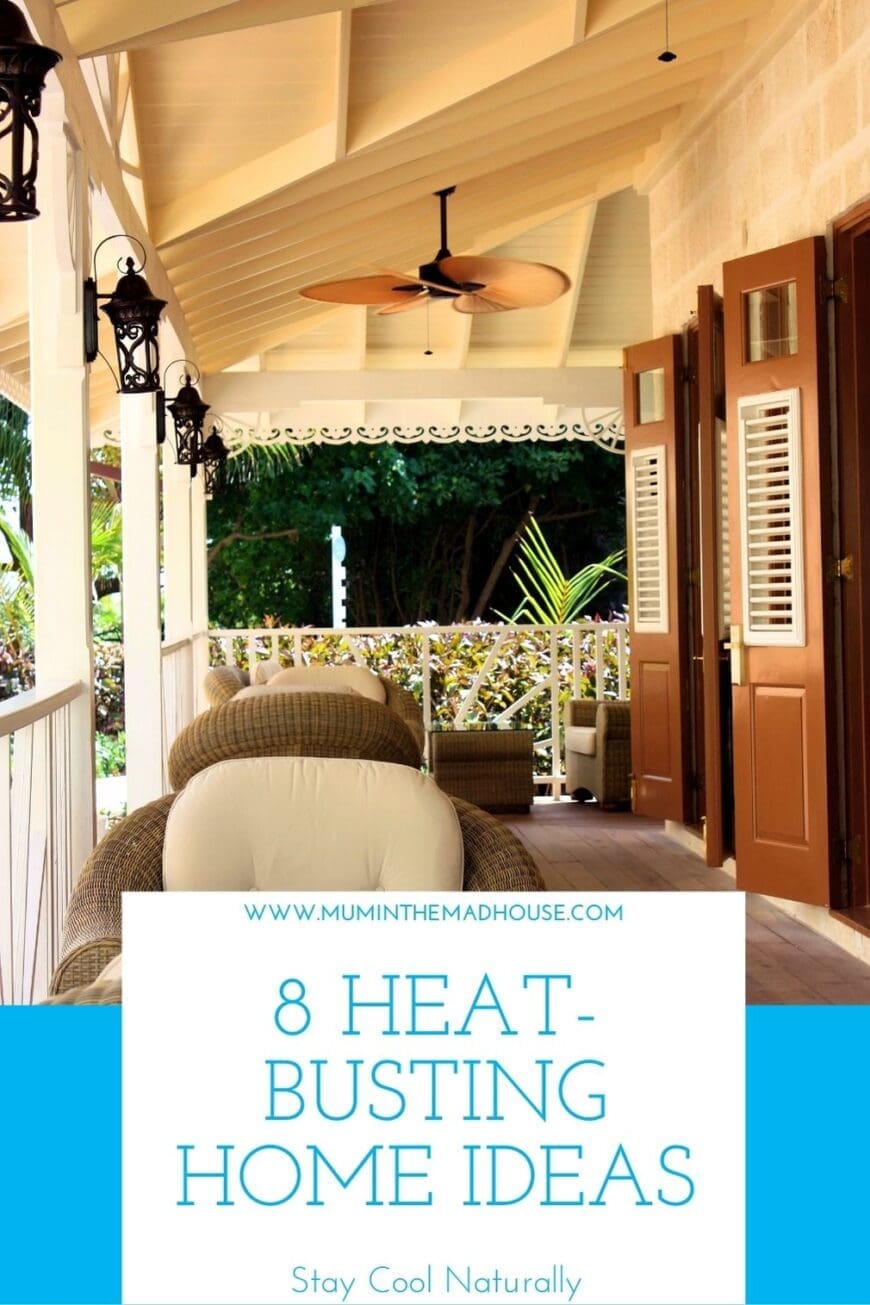
The humble ceiling fan remains one of the most effective tools for creating a cooling breeze while using minimal energy. Modern designs like the HunterFan ceiling fan chandelier combine elegant lighting solutions with powerful air circulation, making them perfect for living rooms and dining areas where both function and aesthetics matter.
By creating air movement, ceiling fans make rooms feel 4-8 degrees cooler through the wind-chill effect. When strategically placed in high-traffic areas, they allow you to raise your thermostat setting without sacrificing comfort. A HunterFan ceiling fan chandelier offers this cooling benefit while serving as a stunning focal point in your space.
4. Green Roofs and Living Walls
Incorporating vegetation into your home’s exterior provides natural insulation and cooling through evapotranspiration. Green roofs—partially or completely covered with plants—can reduce roof temperatures by 30-40°F compared to conventional roofing materials.
Living walls bring similar benefits to vertical surfaces, creating a thermal buffer between the sun and your home’s interior. These vertical gardens can be installed on exterior walls receiving direct sunlight or interior walls to add humidity and natural cooling to indoor spaces. Beyond temperature regulation, they also improve air quality and create a striking visual element.
5. Smart Ventilation Systems
Strategic ventilation can dramatically reduce indoor temperatures by expelling hot air and bringing in cooler air at optimal times. Whole-house fans, installed in attics or hallway ceilings, can cool entire homes during evening hours when outdoor temperatures drop.
Modern ventilation systems integrate with smart home technology to automatically activate based on indoor and outdoor temperature differentials. These systems work particularly well when paired with ceiling fans like the HunterFan ceiling fan chandelier, which helps distribute the fresh air throughout living spaces.
For maximum efficiency, create a cross-ventilation pathway by opening windows on opposite sides of your home during cooler hours, allowing breezes to flow through and flush out accumulated heat.
6. Thermal Mass Solutions
Materials with high thermal mass—like concrete, stone, and brick—absorb heat during the day and release it slowly at night. This natural temperature regulation can be harnessed by incorporating these materials into your home’s design.
Consider exposed concrete floors, stone accent walls, or masonry features that can absorb excess heat during peak hours. When combined with proper night ventilation, these elements create a natural cooling cycle that reduces temperature fluctuations throughout the day.
Water features like indoor fountains can also serve as thermal mass while adding humidity to dry indoor air, creating a more comfortable environment without mechanical cooling.
7. Exterior Shading Structures
Preventing solar heat gain before it reaches your windows and walls is an effective cooling strategy. Exterior shading structures like awnings, pergolas, and trellises can reduce solar heat gain by up to 65-77% on west-facing windows and 40-60% on south-facing windows.
Retractable awnings offer flexibility, providing shade during summer months and allowing beneficial solar gain during winter. Living shade structures, such as pergolas covered with deciduous vines, provide dense coverage during summer and allow sunlight to penetrate after leaves fall in autumn.
These structures extend your living space while creating cool outdoor retreats, perfect for enjoying the gentle breeze from nearby open windows where interior ceiling fans like the HunterFan ceiling fan chandelier continue the air circulation.

8. Radiant Barriers and Insulation Upgrades
While insulation is often associated with keeping homes warm, proper insulation is equally important for keeping heat out. Radiant barriers installed in attics reflect heat away from living spaces, while upgraded insulation in walls and ceilings slows heat transfer in both directions.
Modern insulation options include aerogel-based products that provide superior thermal resistance in thinner applications, and phase-change materials that absorb heat when temperatures rise and release it when they fall. These advanced materials can be incorporated during renovations or new construction to create a more thermally stable environment.
Creating Your Cool Haven
Implementing these modifications doesn’t require a complete home overhaul. Start with simple, high-impact changes like installing ceiling fans in frequently used spaces, adding window films to sun-exposed windows, or creating exterior shade with fast-growing vines on trellises.
For more extensive renovations, consider consulting with a green building professional who can recommend the most effective combination of modifications for your specific climate and home design. Many of these improvements also increase your home’s value while decreasing energy costs, making them wise long-term investments.
As climate patterns continue to shift toward more extreme temperatures, creating a naturally cooler home environment becomes increasingly important. These thoughtful modifications not only improve comfort but also reduce reliance on energy-intensive cooling systems, benefiting both your household budget and the planet.
With strategic implementation of these cooling strategies, you can transform your home into a refreshing sanctuary that defies even the most challenging heat waves, creating a comfortable living environment year-round.reating a comfortable
living environment year-round.