

What is Fibremaxxing?
Fibremaxxing is a viral health trend that encourages people to increase their intake of dietary fibre, often by adding more wholegrains, fruits, vegetables, legumes, nuts and seeds into meals. The idea is to deliberately prioritise foods that are naturally high in fibre to bridge the ‘fibre gap’ that many people experience in modern diets. Health experts suggest that fibremaxxing can be a safe and beneficial way to improve digestion, manage weight, support heart health and reduce the risk of chronic diseases.

The fibre gap and the rise of fibremaxxing
Dietary fibre is essential for good health, yet many of us – adults and children alike – don’t get enough of it. The NHS notes that fibre helps lower the risk of heart disease, stroke, type‑2 diabetes and bowel cancer; it also keeps us fuller for longer and prevents constipation. Government guidelines recommend that adults eat 30g of fibre a day, but average intakes are much lower. Children need slightly less, depending on their age, around 15g daily for 2–5 year-olds, 20g for 5–11 year-olds, and 25g for 11–16 year-olds. To put that into perspective, a medium apple contains about 2g of fibre, two slices of wholemeal bread provide around 4g, half a cup of cooked lentils has 7–8g, and a portion of bran flakes can add another 5g. When you start combining these foods across meals, reaching your daily fibre goal becomes much more achievable for the whole family.
Why focus on breakfast?
Breakfast is the perfect opportunity to increase fibre intake for the whole family. Starting the day with fibre‑rich meals can boost energy, support concentration at school or work, and improve digestion. Swapping refined grains for wholegrains, adding fruit, nuts and seeds, and including legumes or vegetables can all make a big difference.

Family‑friendly fibremaxxing breakfast ideas
Here are some delicious, easy and family‑approved breakfast recipes that pack in the fibre:
| Breakfast idea (with link) | Why it’s fibre-rich (evidence) | Key ingredients & fibre content |
|---|---|---|
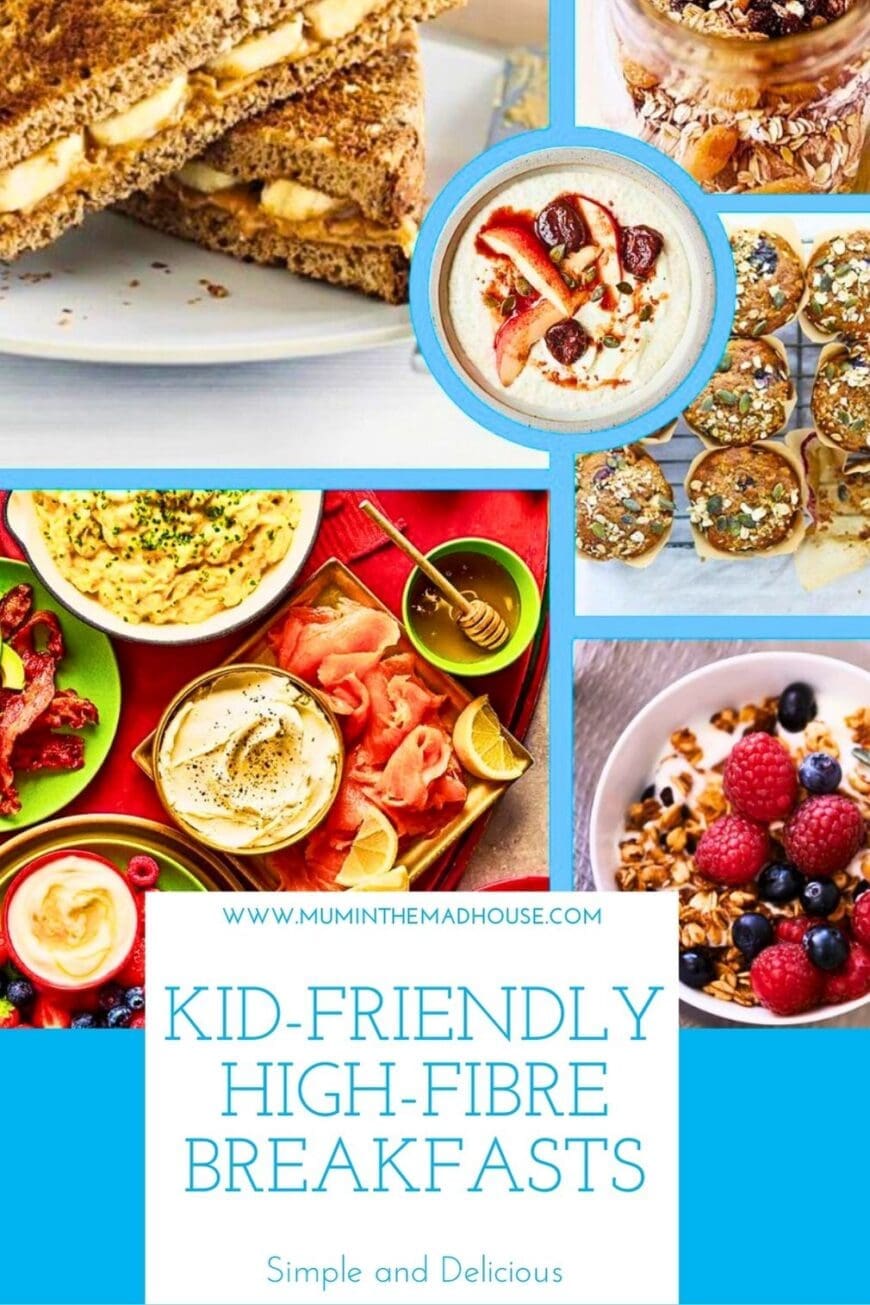
| DIY High-fibre muesli – BBC Good Food | This make-ahead muesli uses jumbo oats for slow-release energy, All-Bran, wheatgerm, raisins and dried apricots; it’s an easy way to pack in fibre. | Mixed grains and dried fruit; yields about 3 g fibre per serving. Serve with milk/yoghurt and top with fresh berries or sliced banana for an extra fibre boost. |
| Avocado & black bean eggs – BBC Good Food | This 10-minute recipe combines eggs, black beans and avocado; the beans are a great source of fibre and protein. Good Food notes that this veggie breakfast “sets you up for the day” and is both high-fibre and high-protein. | Red chilli, garlic, eggs, canned black beans, tomatoes, cumin, avocado, coriander and lime. Each serving contains 11 g of fibre – about one-third of an adult’s daily requirement. |
| Chilled overnight chia pudding – Good Housekeeping | Oats and chia seeds soaked overnight create a creamy, no-cook breakfast. The recipe uses oats, chia seeds and honey; one serving provides 8 g of fibre. | Old-fashioned oats, chia seeds, honey and milk (or plant milk). Variations add cocoa powder or nut butter for different flavours. |
| Oat & chia porridge with prunes – BBC Good Food | Soaking oats and chia seeds overnight makes this porridge extra creamy. The recipe suggests topping it with stewed prunes, pears and seeds; it provides omega-3 fats and helps lower cholesterol. | Traditional oats, chia seeds, prunes, pears and yogurt. Each serving supplies 10 g of fibre. |
| Family breakfast station – BBC Good Food | Rather than a single dish, this interactive breakfast board lets kids choose from bowls of wholegrain cereals, fruit, nuts and yogurt. Good Food describes it as a fun way to get children involved and ensure they eat plenty of fibre and healthy toppings. | Arrange wholegrain cereal, sliced fruit (e.g. berries, kiwi, pear), nuts/seeds and yoghurt. Encourage children to build their own combinations for variety and balance. |
| Peanut butter & banana on wholemeal toast – BBC Good Food | Wholemeal bread provides slow-release carbs and fibre, banana adds resistant starch, peanut butter contributes protein and fibre. | 2 slices wholemeal bread (≈6.6 g), 1 banana (≈1.4 g), 1 tbsp peanut butter (≈1 g). Total ≈9 g fibre. |
| Baked beans on toast – BDA | Beans are one of the richest fibre sources; combining with wholemeal bread doubles the effect. | ½ tin baked beans (≈7 g) + 2 slices wholemeal bread (≈6.6 g). Total ≈14 g fibre. |
| Overnight oats with berries & chia – BBC Good Food | Oats and chia seeds swell overnight for soluble fibre; berries provide antioxidants and extra roughage. | Rolled oats (≈3 g), 1 tbsp chia (≈5 g), mixed berries (≈3 g). Total ≈10–11 g fibre. |
| Porridge with apple & flaxseed – Nutrition.org.uk | Combining oats with fruit and flaxseed boosts both soluble and insoluble fibre. | Oats (≈3 g), 1 apple (≈2 g), 1 tbsp ground flaxseed (≈3 g). Total ≈8 g fibre. |
| Wholemeal pancakes with raspberries – BBC Good Food | Wholemeal flour adds more fibre; raspberries are one of the highest-fibre fruits. | 2 pancakes (≈4 g) + ½ cup raspberries (≈4 g). Total ≈8 g fibre. |
| Fruit & nut breakfast muffins – BBC Good Food | Wholemeal flour, dried fruit and nuts give a portable fibre boost. | Muffin with wholemeal flour (≈2 g), apple (≈2 g), raisins (≈1 g). Total ≈5 g fibre. |
| Yogurt parfait with granola & kiwi – BBC Good Food | Granola adds crunch and fibre, kiwi adds vitamin C and extra fibre. | Granola (≈4 g), 1 kiwi (≈2 g), berries (≈2 g). Total ≈8 g fibre. |
| Berry oat smoothie with flaxseed – BBC Good Food | Oats and flaxseed blend in for hidden fibre; berries add sweetness and antioxidants. | ½ cup oats (≈4 g), 1 tbsp flaxseed (≈3 g), berries (≈3 g). Total ≈10 g fibre. |
| Wholegrain bagel with hummus & cucumber – BBC Good Food | Chickpeas in hummus are naturally fibre-rich; bagel adds extra wholegrain fibre. | Wholegrain bagel (≈5 g), 2 tbsp hummus (≈3 g), cucumber (≈1 g). Total ≈9 g fibre. |
| Pear & almond butter wrap – Heart UK | A fun swap for jam-filled wraps; pear and nut butter both provide fibre. | 1 wholemeal wrap (≈4 g), 1 pear (≈3 g), 1 tbsp almond butter (≈2 g). Total ≈9 g fibre. |
Quick ideas to customise your breakfast
- Top it up: Add sliced pear or raspberries to porridge or cereal – raspberries provide around 8 g of fibre per cup and pears offer 5.5 g per medium fruit.
- Sprinkle seeds: Chia seeds are exceptionally high in fibre; one tablespoon has about 10 g. Sprinkle them over yoghurt or stir into smoothies.
- Swap your bread: Use wholemeal or granary bread instead of white; the NHS recommends two slices of wholemeal toast topped with a sliced banana, which provides roughly 9 g of fibre.
- Blend a smoothie: Blend berries, spinach, oats and seeds for an on‑the‑go breakfast. Frozen raspberries, banana, spinach and chia seeds create a fibre‑rich drink; just remember that smoothies count towards fruit portions but may not keep you full as long as whole foods.
Tips for success
– Introduce fibre gradually to avoid tummy discomfort.
– Always pair fibre with fluids: water, milk or smoothies help fibre do its job.
– Involve kids in prepping toppings or stirring oats – they’re more likely to eat what they help make.
– Mix and match recipes across the week to keep breakfasts exciting and balanced.
Tips for making fibre‑maxxing kid‑friendly
- Start slowly: Children’s stomachs are smaller, and a sudden jump in fibre can cause discomfort.
- Mix familiar foods with new ones: Add a spoonful of chia to a favourite yoghurt, or top wholemeal toast with peanut butter and banana – Combining fruits and seeds with breakfast cereal or yoghurt to increase fibre intake .
- Get kids involved: Let children assemble their own breakfast bowls. The “family breakfast station” idea encourages them to choose fruit, nuts and grains .
- Hydrate: Encourage everyone to drink water or milk at breakfast; fibre needs fluid to move through the digestive tract.
Fibremaxxing isn’t a fad – it’s a practical way to meet the daily fibre recommendations and support digestive and heart health. By prioritising high‑fibre ingredients at breakfast, families can close the fibre gap and teach children healthy habits for life. The key is variety and balance: mix whole grains, fruits, vegetables, nuts and seeds; increase fibre gradually; stay hydrated; and enjoy exploring new recipes. With simple dishes like homemade muesli, avocado & black bean eggs or chia pudding, hitting 30g of fibre a day becomes both achievable and delicious.