

Winter break often creates space families do not have during term time. With routines temporarily relaxed, parents observe their children differently. Without daily school pressure, patterns become clearer. Some children appear calmer. Others disengage completely. These shifts prompt questions about whether the current school structure still fits.
For families already thinking about change, winter offers a low-pressure moment to reflect without deadlines or enrolment pressure.

How Winter Breaks Differ for Online School Families
Winter holidays feel different for families using online education. Learning does not pause abruptly, nor does it restart with the same intensity. Schedules adapt rather than stop.
This flexibility allows families to prioritise rest without losing continuity. Students can step back when needed, then return gradually. Parents often notice fewer emotional swings compared with traditional school breaks, where long pauses followed by sudden restarts can increase anxiety.
For families exploring alternatives, this contrast becomes more visible during winter. Some begin comparing rigid term structures with the rhythm offered by an Online Secondary School, especially for students preparing for GCSEs or A-levels who benefit from steadier pacing and consistent teacher contact.
This stage is observational rather than decisive. Parents gather impressions, note responses, and assess whether flexibility supports learning or simply masks avoidance.
Winter Break Planning Checklist for Online School Families
Even with flexible learning, winter break benefits from light structure. Families often start by reviewing progress rather than adding new material. This helps identify where confidence is stable and where support may be needed later.
Short, focused check-ins usually work better than extended sessions. Clear boundaries between learning time and rest preserve the holiday atmosphere while preventing total disengagement.
Visual calendars help children understand expectations without pressure. Seeing both free days and light study periods reduces resistance and avoids last-minute stress.
Many parents also use this period to review practical aspects of learning. Internet access, device reliability, and workspace organisation often improve during the break, which reduces friction once lessons resume and helps stabilise study routines during school breaks.
Winter Break Activities That Support Educational Growth
Winter break allows learning to move beyond the screen. Many families choose activities that reinforce academic skills indirectly, without replicating lessons.
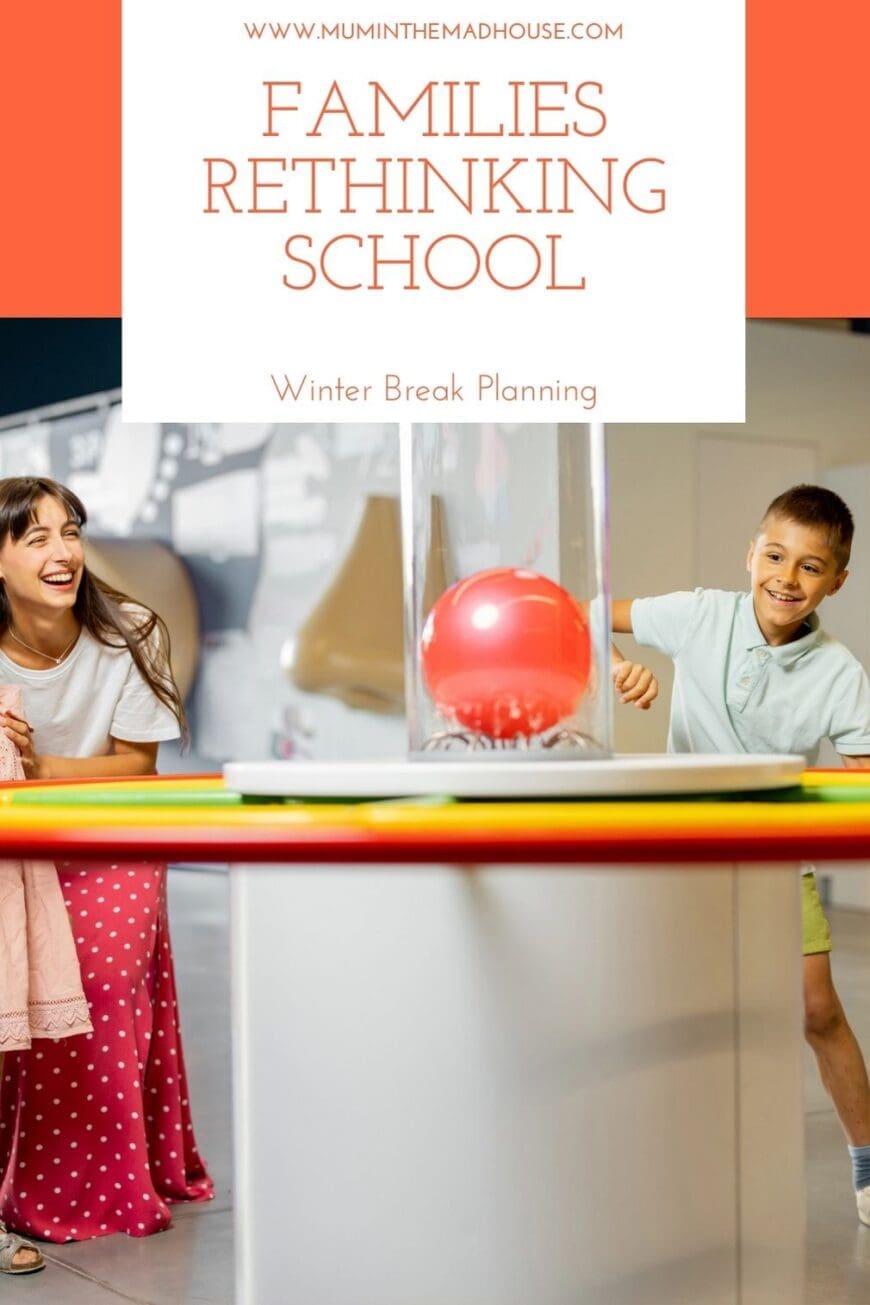
Museum visits, reading challenges, and creative projects often connect naturally to secondary-level subjects. These experiences strengthen understanding while keeping learning informal, especially when families choose structured cultural settings such as museum learning programmes for schools that link real-world exploration with curriculum themes without replicating classroom pressure.
At home, everyday tasks offer similar benefits. Cooking reinforces measurement and sequencing. Planning outings supports time management and budgeting. These activities build transferable skills without introducing academic pressure.
Families often notice that learning feels more integrated during winter. This shift influences how they evaluate schooling options overall, especially when comparing engagement levels before and after the break.
Managing Technology Balance During Winter Breaks
Technology balance becomes more visible during holidays. Without fixed school hours, screen habits either stabilise or intensify. Winter break provides a chance to reset expectations.
Many families introduce tech-free periods or shared offline activities. These boundaries help children mentally separate learning from leisure, and clear screen time boundaries for children often make it easier to reset focus and routines once lessons resume, especially after longer holiday breaks.
Online education does not remove the need for balance. Families who manage screen use intentionally during winter often report smoother transitions back into structured study and fewer conflicts around device use.
Parents considering long-term alternatives pay close attention to how different models support this balance throughout the year, not only during term time.
Preparing for Term Transitions After Winter Break
Returning to learning after winter break works best when changes happen gradually. Sudden shifts back to full schedules often create resistance, particularly for secondary students.
Families usually adjust sleep routines first, followed by light review of previous topics. Preparing study spaces and materials helps students reconnect with learning without pressure.
For those exploring a move away from traditional schooling, winter break becomes a planning window. Parents assess whether current arrangements will support the next academic stage or whether a different structure would reduce stress over time. This period often brings wider reflection around educational transitions, especially when families consider long-term stability rather than short-term adjustment.
Observing Emotional and Academic Signals During the Break
Periods away from routine often reveal more than academic habits. When daily pressure eases, emotional responses to learning become clearer. Some students regain curiosity. Others show avoidance that routine previously concealed.
Parents often notice changes in sleep, appetite, or mood during this period. These signals matter. They offer insight into whether stress stems from workload, environment, or learning style mismatch.
Families considering alternatives use this information to ask better questions later. Not which option looks best on paper, but which structure supports consistency without constant intervention.
This reflection stage often proves more valuable than any comparison chart.
Winter break gives families distance from daily pressure and space to observe what usually goes unnoticed. Without deadlines or immediate decisions, patterns around engagement, balance, and emotional response become easier to read. For some, this confirms their current school choice. For others, it clarifies why alternatives feel worth exploring. Either way, decisions made after observation tend to feel steadier and more aligned once term resumes.