

Children’s bedrooms influence more than where sleep happens. These spaces affect how easily children settle, how deeply they rest, and how supported they feel at night. A well-considered bedroom environment helps regulate sleep patterns and supports emotional wellbeing.
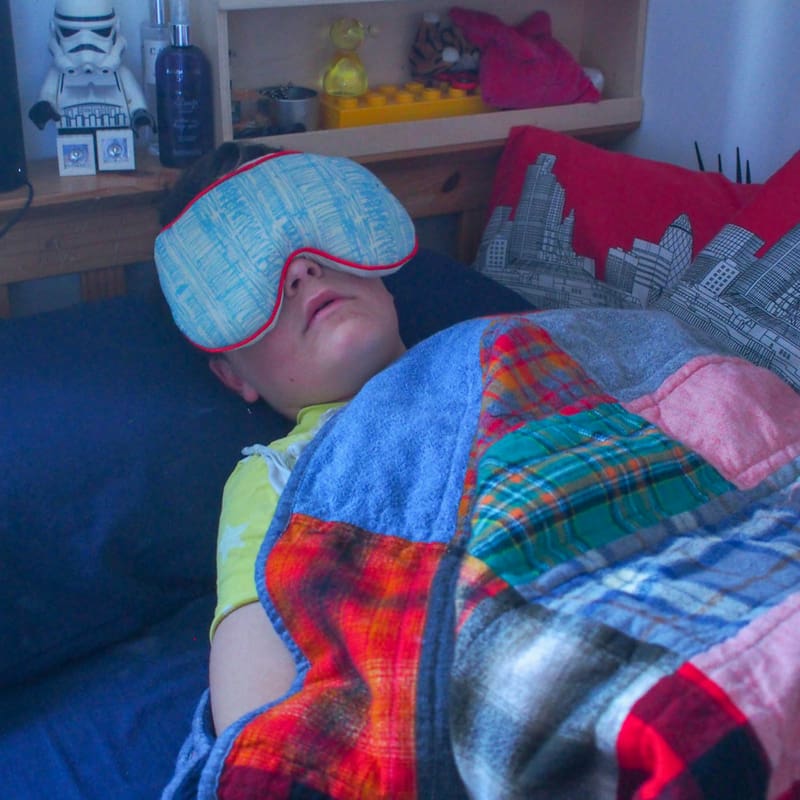
For children who struggle to settle in the evening, small design choices can reduce excess light, limit noise, and improve comfort. These adjustments create the calm conditions children need for better sleep, which often leads to improved mood and focus during the day.
Improving sleep does not require a full bedroom makeover. Simple changes, applied consistently, often make the biggest difference to how children experience bedtime.
Why Sleep Environment Matters for Children
The physical environment of a child’s bedroom influences how quickly children fall asleep and how often sleep is interrupted, reinforcing why children need more sleep during key developmental stages. Temperature, light, and noise levels all play a role in sleep quality as children grow.
Many children experience disrupted sleep, and environmental factors often contribute. Cool, dim, and quiet conditions tend to support more settled nights, while disruptions can lead to frequent wakings.
Supporting a healthy sleep environment helps children’s brain development, learning, and emotional regulation. Children who sleep well often show better concentration, fewer behavioural challenges, and stronger overall health.
Colour Psychology for Better Sleep
Bedroom colours influence mood and bedtime behaviour. Certain shades promote relaxation, while others can stimulate the mind and delay sleep. Soft blues and greens are commonly associated with calmness, while bright or intense colours can increase alertness.
Blue creates a cool, calming effect, while green supports relaxation. Neutral tones such as warm whites, soft greys, and gentle beiges also work well by reducing visual stimulation. Colour coordination is easier when bedroom furniture and bedding are viewed together, which is why bed shop near me searches are often associated with complete bedroom displays rather than isolated items.
Bright reds, oranges, and strong purples are better used sparingly as accents rather than dominant colours. For children drawn to bold shades, smaller decorative elements help balance personal preference with sleep-friendly design.

Quick Colour Updates Without Repainting
Introducing calming colours does not always require repainting walls. Removable decals and wall murals offer temporary solutions that refresh a room without permanent changes. Designs featuring soft blues or greens can shift the room’s tone quickly.
Updating bedding, curtains, and accessories also makes a noticeable difference. New duvet covers, pillowcases, and curtains in sleep-friendly colours help reinforce bedtime routines while blocking unwanted light.
These options suit rental homes well. Colour-adjustable light bulbs provide another flexible way to create warmer evening lighting that supports sleep without altering fixtures.
Lighting Solutions for Sleep Regulation
Light strongly influences children’s sleep cycles by shaping the sleep rhythm. Bright light signals alertness, while dim lighting encourages sleep, supporting healthy transitions between daytime activity and nighttime rest.
Morning exposure to natural light helps children wake and feel alert. In the evening, reducing brightness allows the body to prepare for rest. During UK summer months, extended daylight can interfere with bedtime, making effective window coverings especially important.
Smart lighting systems allow gradual dimming as bedtime approaches. Controlled lighting helps create a predictable transition from daytime activity to nighttime rest.
DIY Blackout Solutions
Blackout solutions are particularly useful in UK homes during lighter evenings, where light pollution can interfere with children’s ability to settle and fall asleep. Blackout curtains with thermal linings help block light and regulate temperature.
Temporary blackout blinds made with removable fixings work well for short-term needs or travel. Light leaks around doors and windows can reduce effectiveness, so draft excluders and blackout tape help limit unwanted brightness.
Creating Comfort Zones with Bedding and Mattresses
Supportive mattresses and breathable bedding play an important role in children’s sleep. Support needs change as children grow, so mattresses should match age and body weight while allowing airflow.
Pillows should support the neck without forcing the head forward. Low to medium loft pillows usually suit children best, as they help maintain comfortable alignment overnight. This type of support plays a role in postural care for children, particularly as sleeping positions and body proportions change with age. For allergies, hypoallergenic bedding and washable mattress protectors help reduce irritation.
Weighted blankets can help some children feel secure, but they should only be used when children can move them independently and remain comfortable throughout the night.

Sound Management for Peaceful Sleep
Noise affects sleep quality even at low levels, particularly in children who are sensitive to sudden or unfamiliar sounds, reflecting the effects of sound on sleep throughout the night. Reducing background noise helps children fall asleep more easily and maintain more settled sleep overnight.
Soft furnishings such as rugs, curtains, and fabric wall hangings absorb sound and reduce echo in bedrooms with hard surfaces. Bookshelves filled with books also help dampen noise while providing practical storage, making rooms feel quieter and more contained at bedtime.
A sleep-friendly bedroom supports both comfort and routine. Room temperature should remain comfortable overnight, while blackout solutions help limit outside light that may interfere with sleep. Mattresses and bedding should suit the child’s age and support needs, allowing proper airflow and comfort.
Electronic devices with LED lights can disrupt settling and should be limited in sleeping areas. Wall colours work best when they feel calming rather than stimulating, and lighting should dim easily as bedtime approaches. Keeping floors and surfaces uncluttered also reduces visual distraction, helping children associate their bedroom with rest rather than activity.
Sleep-Promoting Colour Suggestions
Soft Sky Blue supports calm and relaxation. Sage Green creates a natural, soothing effect. Lavender Mist offers gentle tranquillity without overstimulation. Warm Beige and Pale Grey provide neutral backdrops that work well with sleep-friendly accessories.
These shades work best when applied consistently across walls, bedding, and soft furnishings, helping reinforce a calm and predictable sleep environment.
Maintaining a sleep-friendly bedroom for children is less about perfection and more about consistency. Small, thoughtful adjustments to colour, lighting, sound, and comfort can significantly improve how easily children settle and how well they rest through the night.
By reducing overstimulation, supporting healthy sleep rhythms, and creating calm, predictable surroundings, parents help children associate their bedroom with rest rather than activity. Over time, these choices support better mood, focus, and emotional balance during the day.
A bedroom designed with sleep in mind becomes a steady foundation for healthy routines. With the right environment in place, bedtime feels calmer, nights become more settled, and rest becomes a natural part of everyday family life.