

Installing a rear-facing car seat correctly is one of the most important things you can do to protect your baby while traveling. Safety 1st car seats are designed with advanced safety features, but even the best seat can’t do its job if it’s installed incorrectly. For many parents—especially first-timers—the installation process can feel confusing or intimidating.
Creating a safe travel setup often goes hand in hand with choosing supportive baby gear at home and on the go. Pairing your car seat with a compatible bassinet stroller can make daily transitions smoother while supporting proper positioning for newborns.
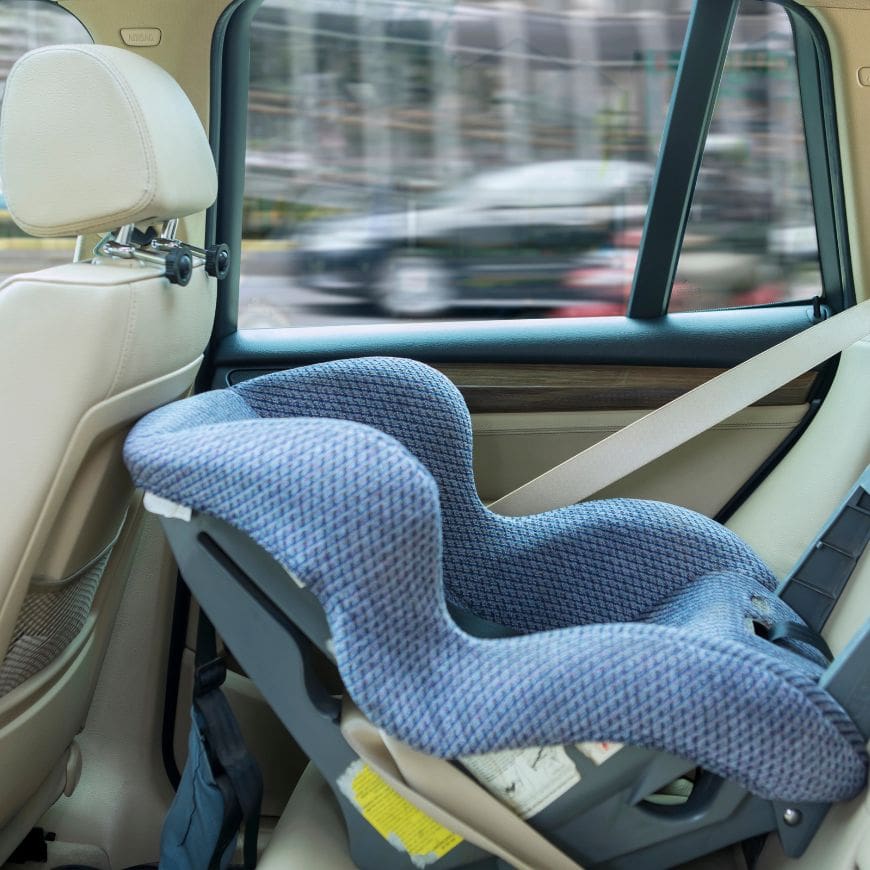
This guide walks you through how to install a Safety 1st car seat rear facing, step by step, using best-practice safety recommendations and clear explanations—no guesswork required.
Reading the Manuals: The Absolute First Step in Installation
Before touching your vehicle or car seat, read both manuals:
- The Safety 1st car seat instruction manual
- Your vehicle owner’s manual
These documents explain:
- Approved seating positions
- LATCH anchor locations
- Seat belt locking mechanisms
- Recline angle requirements
Car seat rules vary by model and vehicle. Even experienced parents should never rely on memory or previous installs. Safety 1st manuals often include diagrams specific to rear-facing use, which are essential for proper setup.
Choosing the Safest Spot: Why the Rear Center Is Preferred
Whenever possible, the rear center seat is considered the safest location for a rear-facing car seat.
Why the Rear Center Seat Is Safer:
- It’s farthest from side-impact collisions
- Offers greater distance from intrusion points
- Reduces injury risk in crashes
However, the center seat must allow a secure installation. If your vehicle does not support LATCH or a tight seat belt installation in the center, choose a rear outboard seat instead. A tight, correct installation always matters more than position alone.

Setting the Recline: Ensuring the Correct Angle for Airway Safety
Rear-facing car seats must be reclined properly to protect your baby’s airway.
Why Recline Matters:
- Too upright → baby’s head may fall forward
- Too reclined → reduced crash protection
Most Safety 1st rear-facing seats require a 30–45° recline, depending on the baby’s age and weight. Many models include the following:
- Recline indicators (bubble or line markers)
- Adjustable bases or recline foot positions
Always adjust the recline before tightening the seat to avoid reinstalling later.
Selecting the Method: Understanding LATCH vs. Vehicle Seat Belt
Safety 1st car seats can usually be installed using either:

- LATCH (Lower Anchors and Tethers for Children)
- Vehicle seat belt
LATCH Installation:
- Easier for many parents
- Weight limits apply (check your manual)
- Anchors are usually in outboard rear seats
Seat Belt Installation:
- Required once LATCH weight limit is exceeded
- Necessary if center seat lacks anchors
- Just as safe when installed correctly
Important Note: Never use both systems at the same time unless the manual explicitly allows it.
Achieving the Tight Fit: Techniques for Removing All Slack
A loose car seat is one of the most common—and dangerous—installation errors.
How to Get a Secure Fit:
- Place your knee or body weight into the car seat
- Pull the LATCH strap or seat belt straight and firm
- Remove slack gradually while pressing downward
The car seat should feel solid, not springy. If using a seat belt, ensure it is locked according to your vehicle’s manual (often by pulling it all the way out and letting it retract).
The Critical Check: Performing the 1-Inch Wiggle Test
After installation, test the seat’s security.
The 1-Inch Test:
- Grip the car seat at the belt path
- Push side-to-side and front-to-back
- The seat should move less than 1 inch
Always remember that movement at the top of the seat is normal. What matters is movement at the base, where it’s secured.
Harnessing Correctly: Strap Height and the Armpit-Level Chest Clip
Even with a perfect installation, improper harnessing can compromise safety.
Rear-Facing Harness Rules:
- Straps must be at or below the shoulders
- Harness should be snug (no slack at the collarbone)
- Chest clip positioned at armpit level
The Pinch Test:
If you can pinch excess strap material at the shoulder, the harness is too loose.
Important Note: Avoid bulky clothing or thick blankets under the harness. Instead, place blankets over the harness after buckling.
Common Rear-Facing Mistakes to Avoid
Parents often make these well-intentioned errors:
- Using unapproved head inserts or padding
- Installing too upright for newborns
- Allowing forward-facing too early
- Not checking installation after adjustments
Safety 1st seats are designed to work only with approved components, so never add aftermarket accessories.
Final Verification: Seeking Help from a Certified Technician
Even after careful installation, having your work checked provides peace of mind.
Where to Get Help:
- Certified Child Passenger Safety Technicians (CPSTs)
- Local fire departments or hospitals
- Community car seat inspection events
A technician can:
- Confirm correct recline and tightness
- Ensure proper harness adjustment
- Teach you how to reinstall confidently
This service is often free and highly recommended—especially for first-time parents.
How Long Should a Child Stay Rear-Facing?
Safety experts recommend keeping children rear-facing as long as possible, until they reach the maximum height or weight allowed by the car seat.
Rear-facing:
- Protects the head, neck, and spine
- Reduces injury risk by up to 75%
- Is safest for infants and toddlers
Safety 1st seats often allow rear-facing well into toddlerhood, offering extended protection during the most vulnerable years.
Final Thoughts: Installation Is an Ongoing Safety Practice
Learning how to install a Safety 1st car seat rear facing is not a one-time task—it’s an ongoing safety habit. Seats should be rechecked after switching vehicles, as your baby grows and if you have the following long trips or seat adjustments.
When paired with thoughtful gear choices such as a supportive bassinet stroller that simplifies everyday mobility—safe travel becomes part of a larger system of care for babies.
A properly installed rear-facing car seat doesn’t just meet safety guidelines—it gives parents confidence every time they turn the key.