

Every parent wants their child to feel safe in the world, but safety should not mean fear. Children need the confidence to try new things, trust kind people and enjoy a little independence, while also knowing they can speak up when something feels uncomfortable, confusing or wrong.
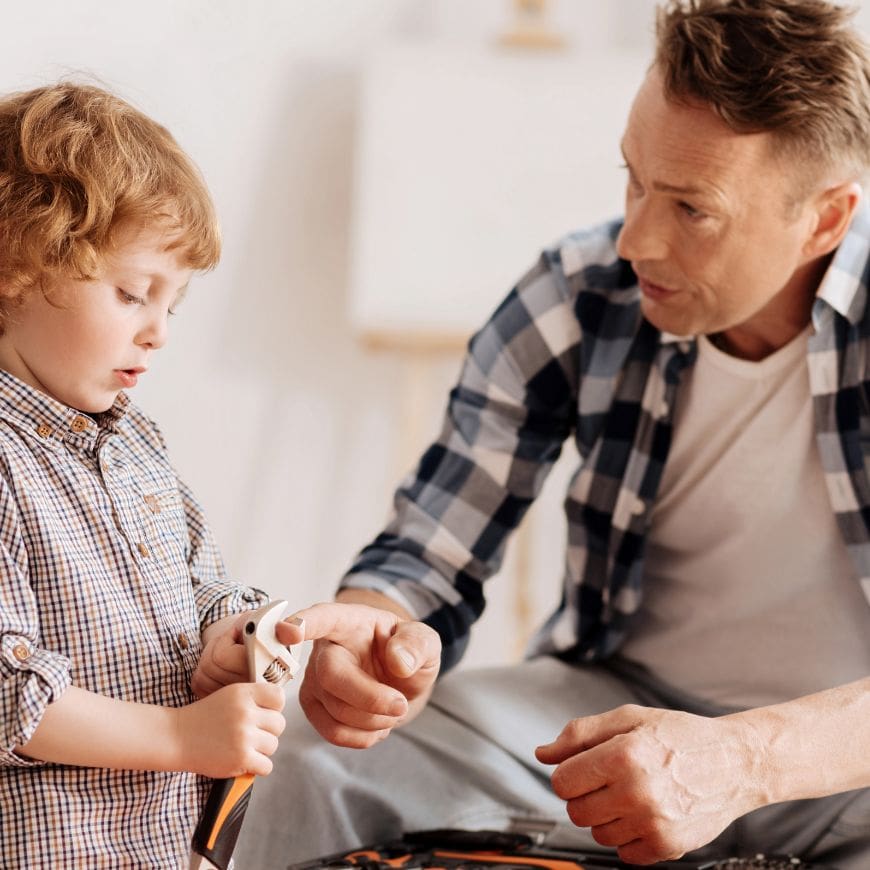
The best conversations often happen in ordinary moments. A quick chat in the car, a quiet moment after school, or a few words at bedtime can help children understand something important: their feelings matter, their voice matters, and they will be listened to.
Keep Safety Conversations Calm and Ordinary
Children are more likely to listen when safety is talked about in the same calm way as road crossings, online behaviour or what to do if they get separated in a busy place. Big, frightening talks can make children shut down. Smaller conversations give them time to think, ask questions, and take in the message.
A good place to start is by teaching children about safety without scaring them, using examples they already understand. You might talk about telling an adult if a game stops feeling fun, saying no to a hug they do not want, or coming to you if someone asks them to keep something that makes them feel worried.
The aim is to make speaking up feel normal. When safety is part of everyday family chat, children learn that they do not have to wait for the perfect moment or find the perfect words before asking for help.
Teach the Difference Between Surprises and Unsafe Secrets
The word “secret” can be confusing for children because some secrets feel exciting and harmless. A birthday present hidden in a wardrobe, a card made at school, or a surprise visit from a grandparent can all feel happy because they are meant to be shared soon.
Unsafe secrets feel very different. They can make a child feel worried, embarrassed, frightened, or responsible for keeping an adult happy. A simple rule can help: surprises are usually short and happy, while secrets that make you feel uncomfortable should always be shared with a safe adult.
This does not need to become a serious sit-down talk. You can bring it into everyday life with gentle questions such as, “Would that feel like a happy surprise or a worrying secret?” The more familiar those words become, the easier it is for children to use them when something does not feel right.

Give Children Simple Words They Can Use
Even confident children can freeze when they feel uncomfortable. They might know something is wrong, but not know how to explain it. A few simple phrases can make speaking up feel less overwhelming.
Practise words they can use with adults and other children, such as “I don’t like that,” “Please stop,” “I need to tell my mum,” or “That made me feel weird.” These are short enough for younger children to remember, but clear enough to help older children set a boundary.
It also helps to remind children that they do not have to explain everything perfectly. They can start with one small sentence, such as “Something happened, and I need help.” Once they know they will be believed and listened to, they are more likely to keep talking.
Help Them Name Safe Adults
Telling children to “speak to an adult” sounds simple, but it can feel vague when they are worried. Children need names, faces, and clear examples, especially if they are afraid of upsetting someone or getting into trouble.
Choose a few safe adults together. This might be a parent, grandparent, teacher, family friend, neighbour or club leader. Ask questions such as, “Who makes you feel listened to?” and “Who would help you if you felt worried?” Children need more than a general instruction to tell someone; they need to understand what safe adults look and sound like in everyday life.
A backup plan matters as well. If the first adult does not listen, brushes it off, or tells them not to worry, your child should know they can tell someone else. Speaking up is not being rude, dramatic, or difficult. It is one way children learn that their safety matters.

When Trusted Places Let Children Down
Most children spend time in places their parents have carefully chosen for them. That trust matters, which is why it can feel especially difficult when a worry involves a school, club, faith group, or another setting that was meant to feel safe.
For families in the North East and across the wider UK, the first response is often shaped by familiar safeguarding routes. A parent might speak to a school safeguarding lead, contact a club organiser, raise a concern with local children’s services or go to the police if a child may be at risk. The route will depend on the situation, but the aim is always to make sure the child is heard, protected, and supported.
In the United States, responses can feel more state-specific when concerns involve institutions or authority figures. A family in New York may be dealing with a large city school, a long-established community organisation or a faith setting with deep local ties. In California, a similar concern might involve a youth group, private programme or sports setting where clear communication matters. In Illinois, families affected by abuse in religious settings may be looking for clear, state-specific information about what accountability can involve. Conversations about Illinois priest abuse lawsuits are often part of that wider search for answers when someone connected to a trusted faith community caused harm.
For parents, the lesson is not to treat every trusted place with suspicion. Children simply need to know they can speak up anywhere, even if the person or place involved is respected by other adults.
Keep Listening as They Grow
The way children speak up changes as they get older. A younger child might say, “I don’t like that,” while a teenager may go quiet, become defensive, or brush things off quickly. Both can be signs that they need space, patience, and a parent who does not immediately panic.
Small, low-pressure conversations can help. Car journeys, walks, cooking tea, or folding laundry can make it easier for children and teens to talk without feeling put on the spot. Side-by-side chats often feel safer than sitting face-to-face for a serious discussion.
When they do share something, thank them, even if it is messy, emotional, or hard to hear. A calm “I’m really glad you told me” can stay with a child for a long time. It tells them that speaking up was the right thing to do and that they do not have to carry worries alone.

A Safer Child Is a Child Who Feels Heard
Children do not need to feel suspicious of every adult or anxious in every new place. They need steady reminders that their feelings are worth listening to, their boundaries matter, and they can always come back to someone safe.
The more often these conversations happen, the less dramatic they feel. A child who knows they will be believed is more likely to speak up early, ask for help, and trust their own discomfort when something does not feel right. That confidence is one of the most useful safety tools a parent can give.