

There is something rather wonderful about the look on a child’s face when they realise they have mended something all by themselves. Whether it is a wobbly chair leg, a bike with a slipped chain, or a bird box built from leftover wood, that small spark of “I did that” tends to stick with them for years.
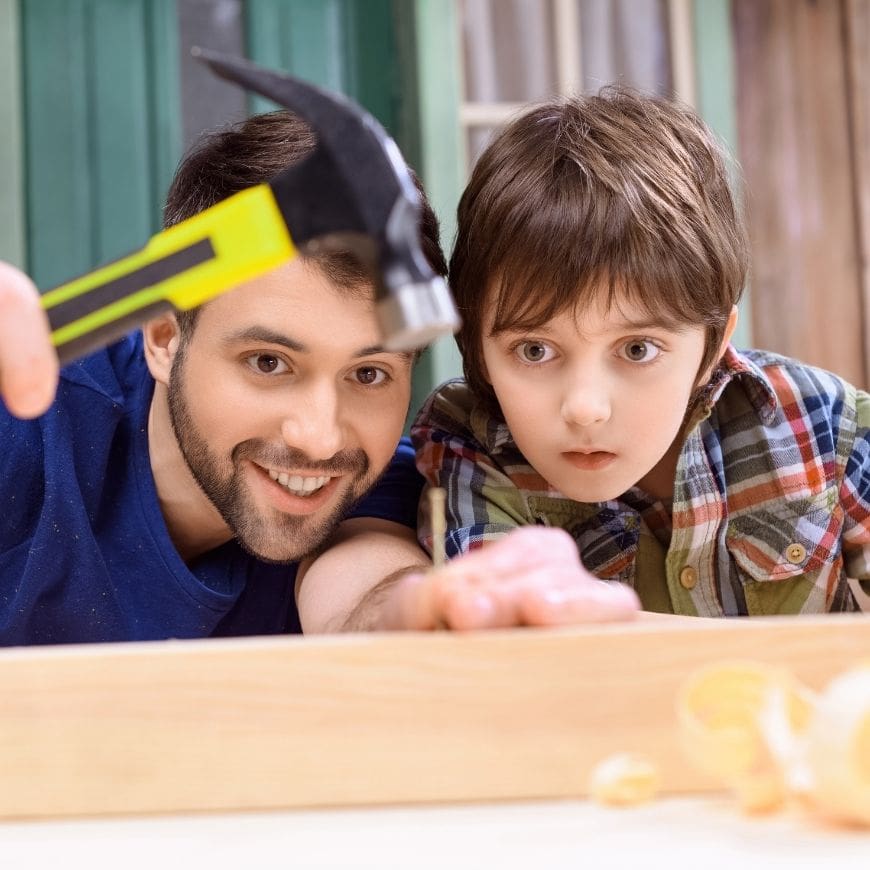
In a world where so much of childhood happens on screens, encouraging children to get hands on with making and fixing things is one of the loveliest gifts we can give them. It builds patience, problem solving skills, and a real sense of independence, all while giving you some wonderful bonding time together.
Start with Small, Everyday Jobs
You do not need a big project to spark an interest in making things. Some of the best opportunities come from ordinary household moments: a squeaky door hinge, a loose cupboard handle, or a torn cushion cover.
Invite your child to help you sort out these little jobs as they come up. Let them hold the torch, pass you the right tool, or have a go at the task themselves under supervision. These small, low pressure moments are brilliant for building confidence before moving on to bigger projects, such as building a den in the garden, which is a fantastic first proper construction project for curious young hands.
Give Them Their Own Toolkit
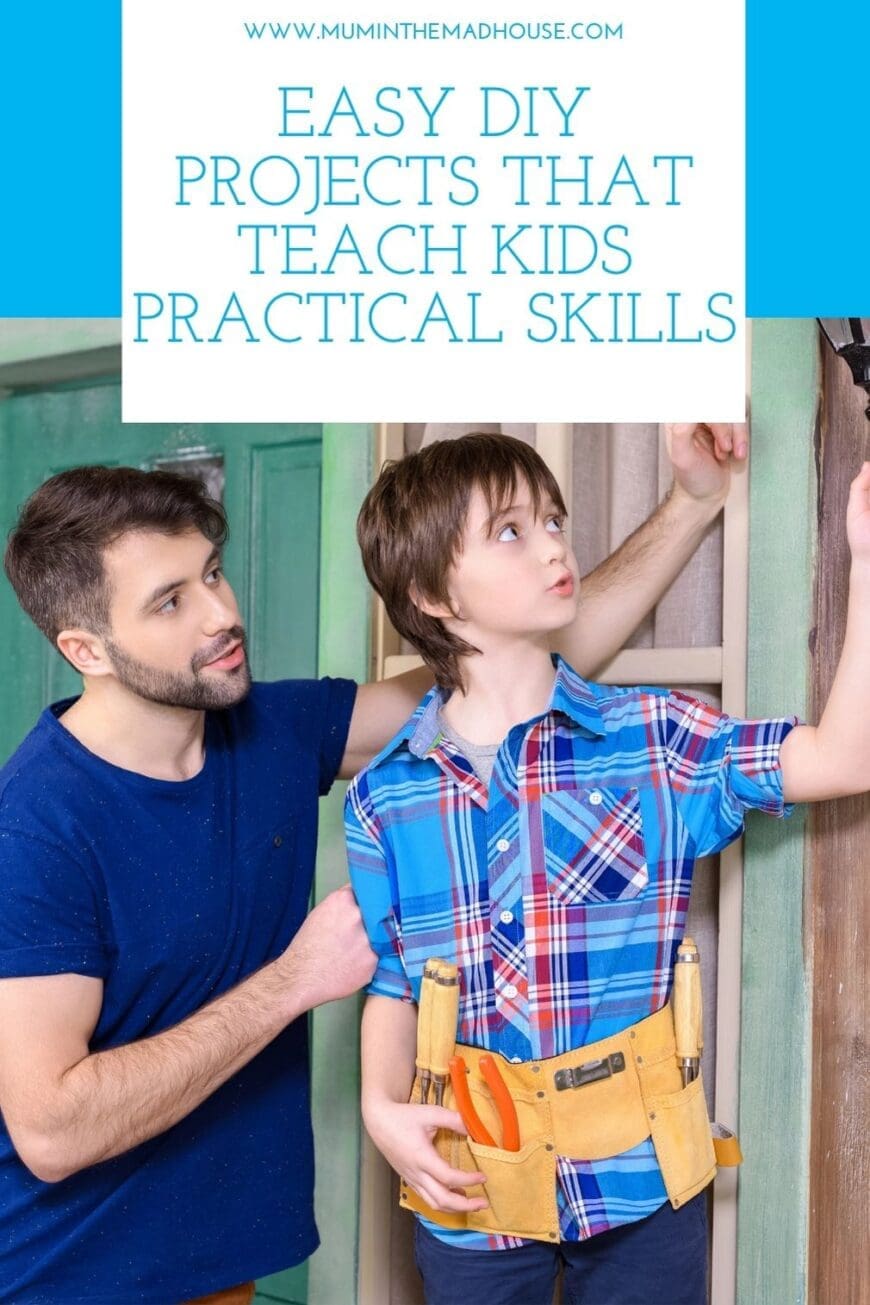
Children take tasks far more seriously when they feel properly equipped for them. A set of child sized tools, kept somewhere they can reach on their own, sends a clear message that this is something they are trusted to do.
A simple starter kit does not need to be complicated. Think along the lines of:
- A lightweight hammer sized for smaller hands
- A screwdriver set with a few different heads
- A small selection of nails and screws for practising with offcuts of wood
- Safety goggles and a pair of gloves
- A tape measure, because measuring twice before cutting or drilling once is a lesson worth learning early
Letting them organise their own little toolbox also teaches tidiness and responsibility, and it means everything is ready to go the next time inspiration strikes.
Make It Playful, Not a Chore
Children learn best through play, so try to frame making and fixing as an adventure rather than a task on a list. Turn tightening a loose screw into a “repair mission”, or set a friendly challenge to see who can build the sturdiest mini bridge out of lolly sticks and glue.
Building projects that combine imagination with real skills work particularly well. A cardboard castle that actually needs assembling, a bird feeder to be hung in the garden, or a wonky go kart that never quite goes anywhere are all brilliant fun, and every single one teaches genuine, transferable skills along the way.
Let Them Make Mistakes
It can be tempting to step in the moment something is not going quite right, especially if a nail has gone in at an angle or a joint will not quite line up. Try to resist, where it is safe to do so.
Mistakes are where the real learning happens. A wobbly shelf that needs reinforcing, or a picture frame that falls apart the first time, gives children the chance to work out what went wrong and try again. This kind of gentle trial and error builds resilience far more effectively than getting everything perfect first time ever could.
Keep Safety Simple and Consistent
None of this needs to feel daunting. A few clear, consistently applied rules go a long way:
- Always supervise anything involving sharp tools, power tools, or anything electrical
- Teach children to keep fingers well away from the working end of any tool
- Store tools and small fixings safely out of reach of younger siblings
- Explain the “why” behind each rule rather than simply saying no
Once children understand that rules exist to keep them safe rather than to hold them back, they tend to follow them far more willingly, and take pride in showing they can be trusted.
Celebrate Effort, Not Perfection
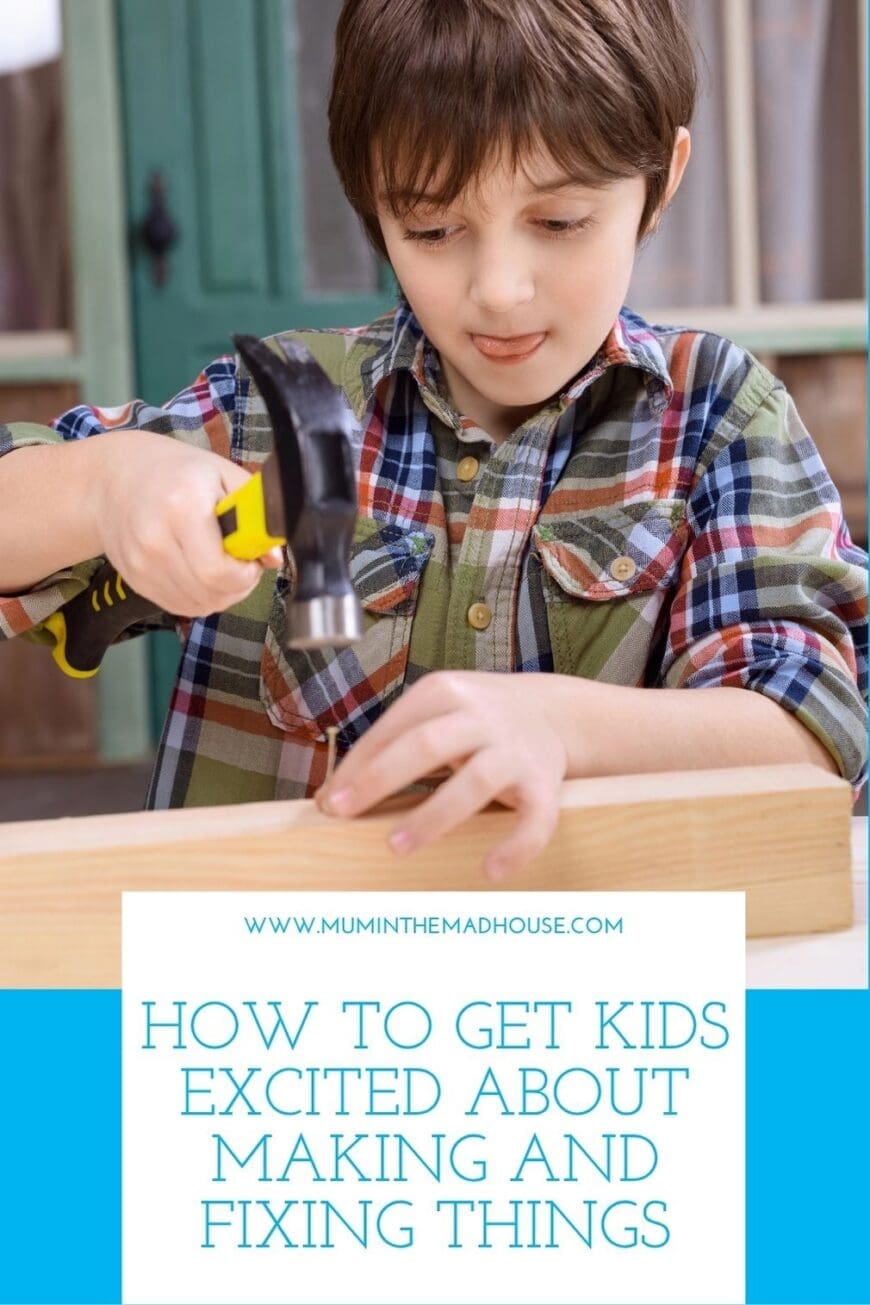
The bird box may end up a little lopsided. The shelf might have a visible line of wood filler. None of that matters in the slightest. What matters is that your child had a go, stuck with something tricky, and came away proud of what they made.
Display their creations, use the things they have fixed, and talk about the projects with genuine enthusiasm. That sense of pride is often what turns a one off activity into a lasting hobby, and sometimes even the beginning of a lifelong love of building and mending.
A Skill for Life
Getting children interested in making and fixing things is not about raising the next generation of tradespeople, although who knows where their enthusiasm might lead. It is about giving them the confidence to have a go, the patience to work through a problem, and the quiet satisfaction of looking after the things around them.
Next time something in the house needs a little attention, hand your child a screwdriver instead of reaching for it yourself. You might just be starting something wonderful.