

The perimenopause and menopause are important stages in a woman’s life. These processes usually affect women aged 45 to 55, who often have various symptoms such as hot flashes, night sweats, mood swings, and insomnia. I went through a medical menopause aged 35, and hot flashes and night sweats were one of the main things that disturbed my sleep.

As the body adapts to a new normal, you may experience discomfort and unfamiliarity, which can in turn affect your quality of sleep. Whilst this is common, it can be far from pleasant, which is why we have compiled our 5 top tips on how to get to sleep when going through the menopause. Sometimes just knowing that other women are going through similar things can be really helpful.
As your body adjusts to its lack of hormones, it can impact your sleep quality and cause sleep disorders. These sleep disruptions can start in perimenopause and continue throughout your menopause transition.
Sleep difficulties can include many things, from restless leg syndrome, hot flashes, night sweats, difficulty getting to sleep, poor sleep quality, including a change in your circadian rhythm and sleep schedules. Lack of good quality sleep can affect your whole waking life too and if you are struggling with long-term insomnia, then do talk to your GP about additional medical solutions.
These five tips are:
Create a Relaxing Bedtime Routine
Create a Relaxing Bedtime Routine: Establishing a calming routine before bed can signal to your body that it’s time to wind down and prepare for sleep. Consider incorporating activities such as reading a book, taking a warm bath, or practising relaxation techniques such as deep breathing or gentle stretching. These activities can help relax your mind and body, making it easier to fall asleep and stay asleep throughout the night.
Keep Your Bedroom Cool
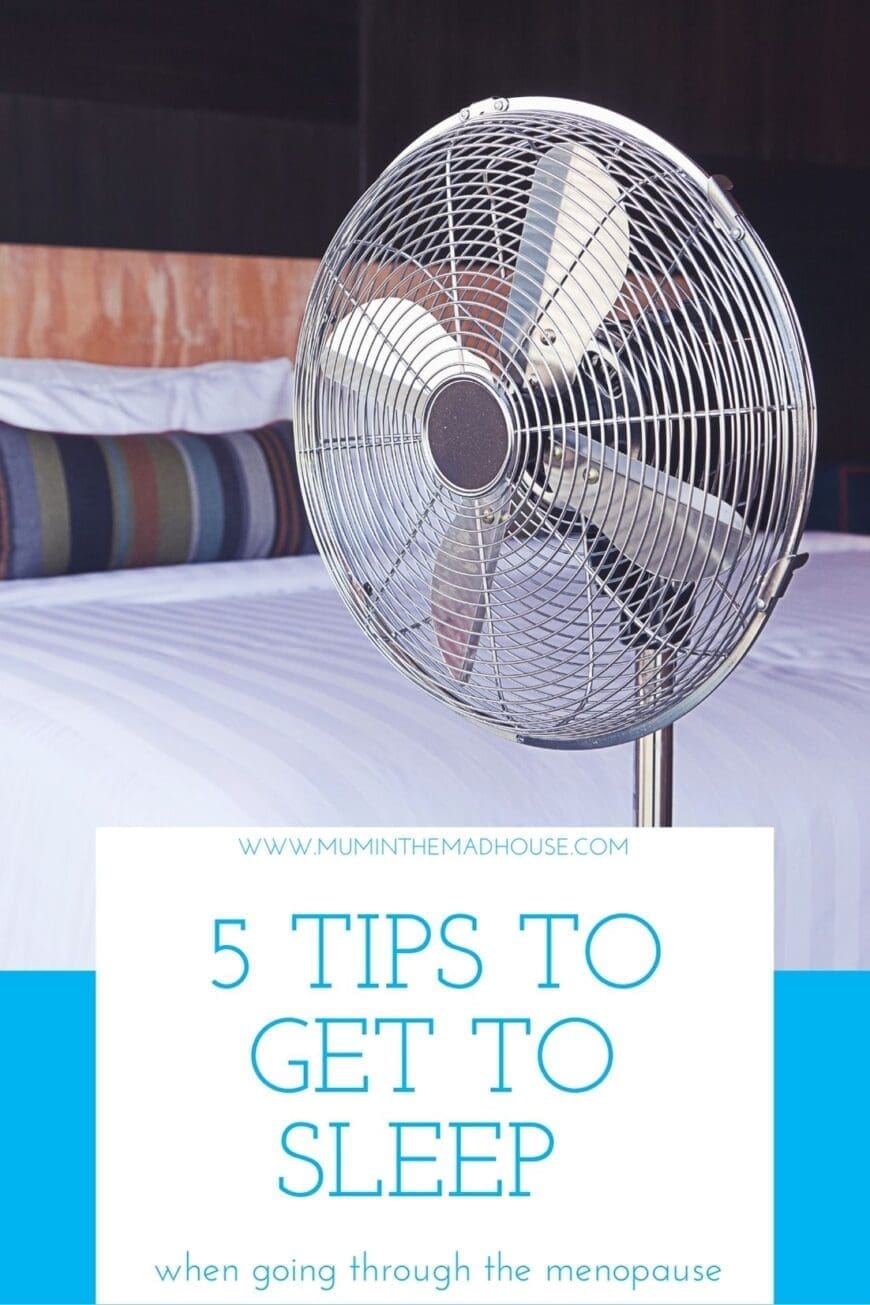
Hot flashes or flushes and night sweats can make it difficult to maintain a comfortable body temperature while sleeping. To combat this, try keeping your bedroom cool with a fan, opening windows, and using lightweight, natural fibre bedding. Additionally, wearing breathable sleepwear made from natural fibres like cotton can help regulate your body temperature and prevent overheating during the night.
In addition to bedding and sleepwear, your bed is also key to a good night’s sleep. I appreciate that we can not all afford to buy a new mattress; however, you could update your existing mattress with a Simba Sleep Topper. This mattress topper is designed to offer extra airflow for a fresher, more comfortable sleep, making it a more affordable way to accommodate those dreaded night sweats and hot flushes. Plus, it has a removable washable cover, so I can sleep easily knowing that I can pop it in the wash after a particularly difficult night.
Limit Stimulants and Avoid Heavy Meals
Consuming stimulants such as caffeine and nicotine close to bedtime can interfere with your ability to fall asleep. It’s best to avoid these substances in the evening or at least several hours before bed. Similarly, eating heavy or spicy meals before bedtime can cause discomfort and indigestion, making it harder to sleep. Opt for lighter, well-balanced meals in the evening to promote better sleep.
Stay Active and Exercise Regularly
Engaging in regular physical activity can have numerous benefits for sleep during menopause. Exercise helps reduce stress, improve mood, and promote better sleep quality. Aim for at least 30 minutes of moderate-intensity exercise most days of the week. However, try to avoid exercising too close to bedtime, as it can increase alertness and make it harder to fall asleep.
Seek Support and Talk to Your Doctor
Menopause can be a challenging time, both physically and emotionally. It’s important to seek support from loved ones or join support groups where you can connect with other women going through similar experiences. Additionally, if your sleep disturbances persist or significantly impact your day-to-day life, consider talking to your doctor. They can provide guidance, recommend lifestyle changes, or discuss potential treatment options (including HRT) to help improve your sleep during menopause. Before choosing a sleep app, check what it includes. Rest offers a self-guided programme with a nightly sleep log and relaxation tools.
Remember, every woman’s experience with menopause is unique, and what works for one person may not work for another. It may take some trial and error to find the strategies that work best for you. Be patient with yourself and prioritise self-care during this transitional phase of life.
For more sleeping tips, check out my previous sleeping tips post here.