

Have you ever wondered why your child wakes up in a bad mood despite getting to bed on time? The problem might be their mattress. Sleep is very important for kids because it helps them grow, learn, and maintain a good mood. Yet, studies show that 20% to 40% of children have trouble sleeping, often because their beds aren’t comfortable enough. (1)
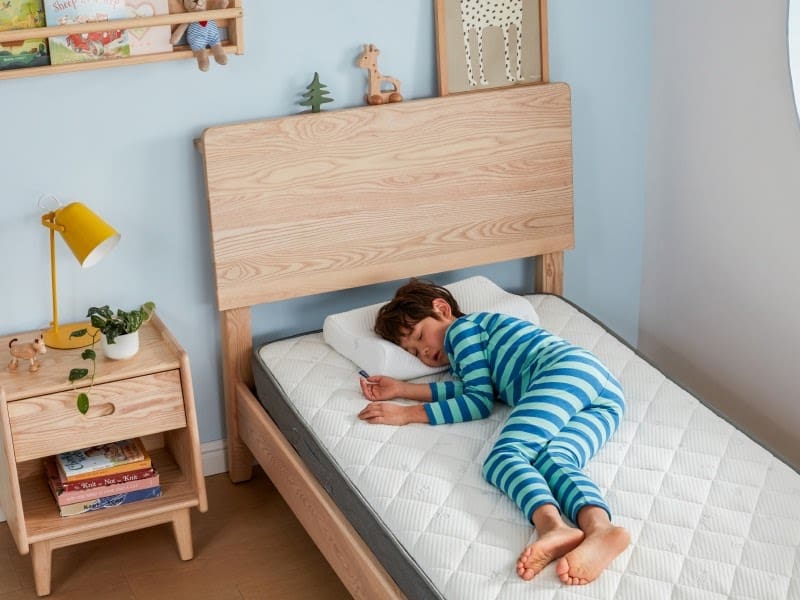
This makes your child’s mattress a crucial piece of furniture. The right mattress can change restless nights into peaceful, restful ones. Knowing what makes a good mattress for kids is key to improving their sleep quality.
Learn why investing in the perfect mattress is one of the best choices for your child’s well-being.
Support Growing Bodies With Proper Spinal Alignment
As children grow, their spines undergo many changes, making proper support essential. A mattress that’s too soft can cause the spine to sag, leading to muscle and joint strain.
Conversely, a mattress that’s too firm can create pressure points, causing discomfort and sleep problems. Soft mattresses will keep the spine in a neutral position, distribute weight evenly, and cushion areas like the hips and shoulders.
Research underscores the importance of this during puberty. In a study involving 513 students, more than 35% reported experiencing back pain within a year. A well-designed mattress can help reduce these issues, ensuring your child wakes up feeling refreshed rather than sore. (2)
Promote Deeper Sleep To Fuel Cognitive Development
When your child experiences deep sleep, their brain is busy organising information, reinforcing memories, and repairing neural connections. A quality mattress aids in reaching these deep sleep stages, giving their mind the rest and growth it requires.
Good sleep enhances their ability to solve problems, fuels creativity, and improves their performance at school. A comfortable mattress minimises tossing and turning, giving their brain uninterrupted time to recover. With restful sleep, they wake up prepared to embrace challenges and learn with enthusiasm.
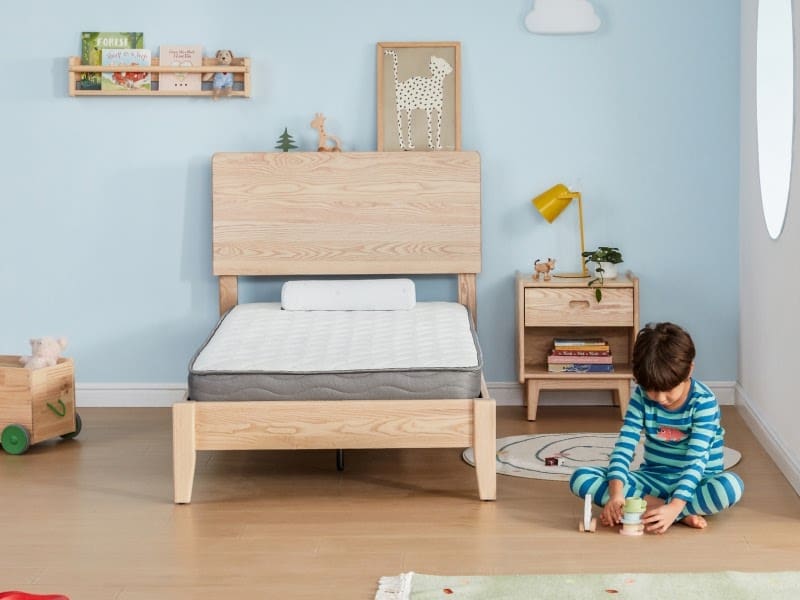
Prevent Allergies and Respiratory Issues
Old or low-quality mattresses can become breeding grounds for dust mites, mould, and bacteria. The National Institute for Clinical Experience states that 10% to 15% of children in the UK suffer from dust mite allergies, which trigger sneezing, congestion, and even asthma attacks. (3)
Hypoallergenic mattresses with tightly woven covers act as barriers against these irritants, while breathable materials like latex or organic cotton prevent moisture buildup.
Replacing a mattress every 6 to 8 years (or sooner if allergies flare) reduces exposure to these triggers, creating a cleaner sleep environment. (4)
Encourage Safe Sleep for Infants and Toddlers
For babies, choosing the right mattress is a vital safety decision. A firm, flat surface is essential. It prevents your little one from sinking into the material, keeping their precious airways clear and unobstructed. The mattress should also have breathable materials.
This helps your baby stay at a comfortable temperature throughout the night, as overheating has been linked to sudden infant death syndrome (SIDS), which affects around 200 babies annually in the UK. (5)
Once your infant grows into a bouncing toddler, their sleep surface needs to change, too. Your energetic explorer needs a medium-firm mattress that can handle their newfound mobility while keeping them safe.
The right balance of support protects them during those inevitable wiggles and occasional jumps, giving you peace of mind while giving them room to grow.
Boost Emotional Resilience Through Uninterrupted Rest
Children who wake up after a night of poor sleep often struggle with crankiness, worry, or boundless energy at the wrong times. A comfortable mattress helps your child stay in dreamland longer, giving their body time to balance those important mood-regulating hormones naturally.
Think of a good mattress as your child’s emotional guardian during a restful night. When they sleep deeply and peacefully, they wake up better equipped to handle playground disputes, tricky homework, or those inevitable daily challenges with a steady smile. Quality sleep nurtures their emotional well-being, helping them grow into resilient, balanced individuals.
Adapt to Changing Needs During Growth Spurts
Children’s bodies change rapidly, and their sleep surfaces should keep pace. Teenagers, in particular, require stronger mattress support to prevent sagging and maintain proper spinal alignment.
Some double mattresses come with dual sides; one firmer side for when they are younger and a softer side for their teenage years. Pocket-spring mattresses are also beneficial, providing robust support while staying comfortable as children grow.
Proper mattress support is essential during these growth stages. Without it, children can suffer from fatigue and daytime sleepiness, impacting their school performance and overall well-being.
Reduce Long-Term Health Risks
Children with poor sleep habits risk developing health issues as adults, such as obesity, diabetes, and heart problems. A quality mattress type can help prevent these issues. It should provide spinal support, minimise allergens, and ensure restful sleep, promoting healthy habits for the future.
Key Takeaway
A mattress is not just a place to sleep; it supports growth, learning, and emotional well-being. A cool, screen-free bedroom creates the best environment for children to thrive. Quality sleep is vital for a healthy and happy childhood.
References:
- “Childhood sleep: physical, cognitive, and behavioral consequences and implications”, Source: https://pmc.ncbi.nlm.nih.gov/articles/PMC9685105/
- “Prevalence and Characteristics of Back Pain in Children and Adolescents: ISQUIOS Programme”, Source: https://pmc.ncbi.nlm.nih.gov/articles/PMC8775889/
- “SQ HDM SLIT For Treating Allergic Rhinitis And Allergic Asthma Caused By House Dust Mites ID6280”, Source: https://www.nice.org.uk/guidance/gid-ta11355/documents/final-scope
- “6 Signs That You Need to Replace Your Mattress”, Source: https://www.webmd.com/sleep-disorders/features/signs-replace-mattress
- “Sudden infant death syndrome (SIDS)”, Source: https://www.nhs.uk/conditions/sudden-infant-death-syndrome-sids/
It always amazes me how much better the kids sleep on “fresh bedding” day – assuming it’s not been line dried. Pollen definitely has no place on pillow cases in this house!
Our mattresses were all replaced recently & that helped to some degree too. I’m team “washable mattress protector”, so you can get rid of the bulk of the dust quickly and easily.