

Bonfire Night (5 November) is one of those uniquely British celebrations where the glow of fireworks is matched by the warmth of comfort food. This year, turn your Guy Fawkes night gathering into a showcase for sustainable cooking. Instead of buying in lots of nibbles, look at what’s already in your kitchen: stale bread, vegetable trimmings, last night’s roasted veg and even the remnants of desserts can all be transformed into crowd‑pleasing snacks. Not only does this cut down on waste, it also saves money and teaches kids that delicious food doesn’t have to come wrapped in plastic.
Give stale bread a second life with crostini
Crostini means “little crusts” in Italian and traditionally uses small slices of toasted bread. The beauty of this party snack is that it works just as well with slightly stale bread as it does with a fresh baguette. Food writer Tatiana Kamakura points out that she actually prefers using stale bread because it “gives new life to a baguette that’s a little too dry to enjoy as‑is” . To make crostini:
- Slice a baguette or ciabatta into ¼‑inch slices. Keep the thickness uniform so they toast evenly.
- Arrange the slices on a baking sheet and brush them with olive oil. Bake at 200 °C/400 °F until golden and crisp (about 12‑16 minutes).
- Let them cool and store in an airtight container. Homemade crostini will stay crisp for about five days.
Serve these “little crusts” with any toppings you fancy. A personal favourite for Bonfire Night is to pair crostini with colourful, low‑waste dips made from vegetable scraps or leftover roasted veg (see below). You can also top them with roasted peppers, pumpkin purée or a smear of hummus. Making crostini ahead of time means there’s one less thing to worry about when friends arrive in November.

Colourful dips from vegetable scraps
British chef and food‑waste campaigner Tom Hunt recently shared a method for turning vegetable scraps into vibrant dips. He writes that the dips “are a vibrant, low‑waste way to add colour, fibre and flavour to your plate by using up whatever’s already in the fridge or even destined for the compost bin”. Discards like pepper tops, radish greens and beetroot peelings are not only edible but “can be absolutely delicious” when blended with the right flavours. Hunt’s base recipe is easy to adapt:
- Gather scraps. Stick to one colour per dip for a dramatic presentation – try red pepper trimmings and apple peel for a red dip, squash and sweet‑potato skins for yellow, courgette tops and coriander stalks for green, or beetroot peel for purple.
- Add cooked beans. About 130 g of cooked white beans (butter beans or cannellini) provide creaminess and protein.
- Blend with flavourings. Steam or blanch the vegetable scraps for five minutes, then blend with olive oil, lemon juice and a pinch of salt. Optional extras include garlic, citrus zest, tahini or nuts for richness and spices such as smoked paprika or cumin for warmth.
- Finish with toppings. Garnish with chopped herbs, toasted seeds or chilli flakes.
These dips are versatile: use them as spreads on crostini, as crudité dips or stirred through pasta. Because they keep in the fridge for up to five days, you can make a selection ahead of time and assemble a rainbow platter on the night.
Sweet treats from dessert scraps
Cakes and brownies sometimes linger after a party. Instead of throwing them away, upcycle them into trifles or crumb toppings. Food waste writer Tom Hunt admits that occasionally he finds himself with more cake than he fancies eating; rather than letting it go to waste, he collects “go‑to recipes that will upcycle old cake into a dessert that’s even more special than its former glory” . His favourite is a classic trifle: stale cake is drizzled with sherry (or fruit juice), layered with seasonal fruit, custard and cream and left to set . Other ideas include:
- Refrigerator cake – crumble leftover cake into chunks and add it to a no‑bake chocolate refrigerator cake.
- Rum truffles – mash cake crumbs with rum (or fruit juice) and roll them in cocoa powder.
- Crumble topping – pulse cake scraps in a food processor and sprinkle over baked fruit, yoghurt or ice cream.
Transforming desserts this way keeps sweet treats out of the bin and gives you a show‑stopping pudding for Bonfire Night. Choose autumnal fruit like apples, blackberries or pears to keep things seasonal.
Warm up with surplus‑fruit mulled apple juice
If you’re lucky enough to have apple trees, late summer and autumn can leave you with an abundance of fruit. Frankie, the blogger behind Thoroughly Modern Grandma, notes that her trees produce a generous crop and that surplus apples – especially windfalls “which might not be quite good enough for cooking or eating” – are turned into fresh apple juice so none of them go to waste. If you don’t own a press, many community projects will press fruit for you or you can simply use a carton of unsweetened apple juice.
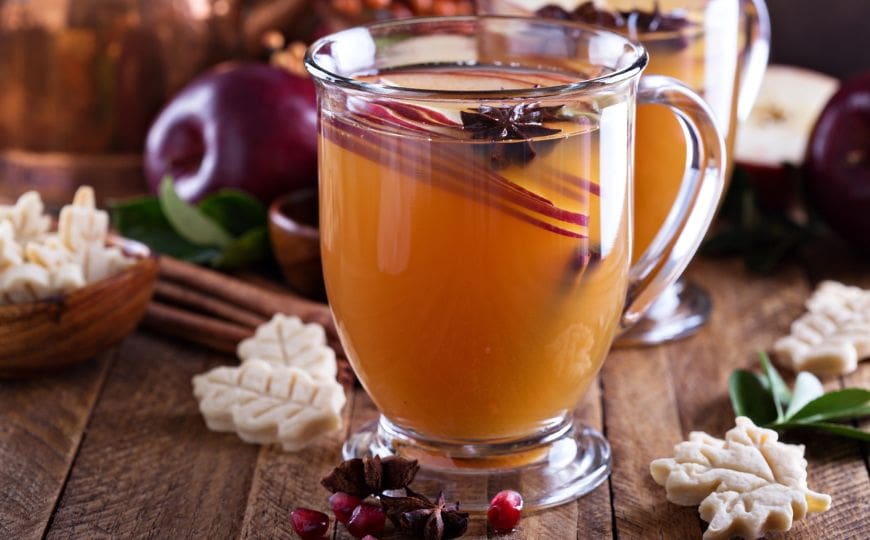
To make a warming mulled apple juice, follow the Good Food method: simmer a litre of apple juice with strips of orange peel, a cinnamon stick and a few cloves for 5–10 minutes until the flavours infuse. Taste and add a little honey or sugar if needed. Serve in heatproof mugs with a twist of orange peel or a cinnamon stick . For a zero‑waste twist, add slices of any bruised fruit you need to use up (pears, plums or even leftover citrus peel) and a glug of leftover cider or apple cider vinegar for tang. Adults might like a splash of brandy, but it’s delicious alcohol‑free too.
More zero‑waste Bonfire Night ideas
Don’t stop at crostini and dips; there are many other ways to reduce food waste on 5 November. Here are a few ideas inspired by Love Food Hate Waste:
- Catherine wheel canapés – Pinwheel pastries made with cream cheese and smoked salmon are an impressive appetiser and a great way to use up a tub of cream cheese approaching its use‑by date.
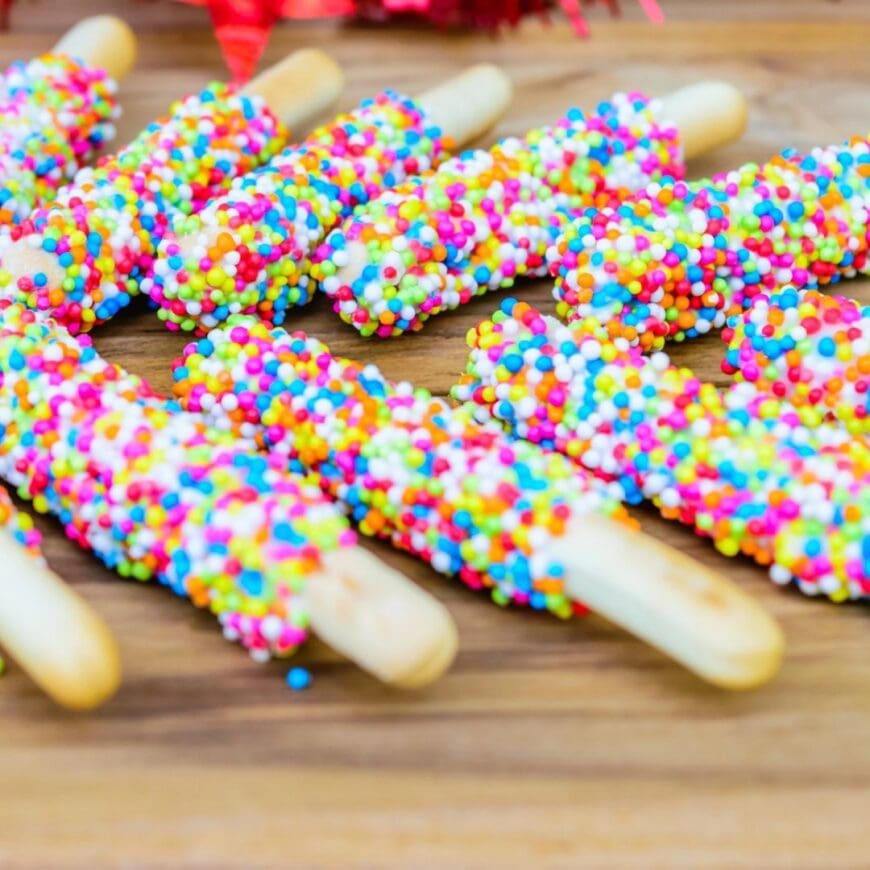
- Edible Sparklers – Kids love making and eating these edible sparklers, which are breadsticks or pretzel sticks dipped in chocolate and decorated with cake sprinkles. We all have sprinkles left over from when we make cakes.
- Jacket potatoes in the embers – Wrap baking potatoes in foil and cook them in the glowing coals of your bonfire; it’s perfect for using up a big bag of spuds and you can serve them with whatever toppings you have on hand.
- Spicy chilli – A pot of chilli warms everyone up and is ideal for using leftover vegetables. Throw in anything lingering in the fridge, from peppers to beans, and freeze any extra portions.
- Parkin – This traditional spiced cake keeps for days and gets stickier the longer it sits, so it’s a brilliant make‑ahead cake. Enjoy any leftovers with tea later in the week.
- Toffee apples and pumpkins – Coating apples in toffee is a fun way to use the autumn glut. If you still have pumpkins after Halloween, roast them or turn them into soup so they don’t go to waste.
Finish your spread with reusable plates, napkins and cutlery to keep the zero‑waste theme going. Compost any scraps, and if you’re serving hot drinks outdoors, provide heatproof mugs or insulated cups instead of disposable paper ones.
Conclusion
Planning your Bonfire Night menu in September gives you time to freeze breads, collect vegetable scraps and store cake offcuts so nothing edible gets binned. By the time the fireworks light up the sky, you’ll have a table full of eco‑friendly party food that proves sustainability can be delicious. Whether you’re reviving stale baguettes, blending vegetable trimmings into dips or simmering mulled apple juice from windfalls, each dish shows that small actions add up. Share these ideas with friends, create a colourful Bonfire Night food board and tag your creations.