

It always seems to happen at the worst possible time. You wake to the sound of rushing water, or walk into the kitchen to find a puddle spreading across the floor. A burst pipe can release hundreds of litres of water in a short time, soaking floors, walls, furniture and everything in its path.
The good news is that a few quick actions can dramatically reduce the damage while you wait for help. Here is what to do, step by step.
Step 1: Turn Off the Water at the Mains
This is the single most important thing you can do. Every home has a main water stop valve, usually located near the water meter at the front of the property, often close to the front boundary or in a meter box on the verge.
Turn the valve clockwise until it stops. This cuts water to the entire house and stops the flow from the burst pipe. If you don’t know where your stop valve is, take a moment today to find it and make sure everyone in the household knows too.
If the leak is coming from a single fixture, such as under a sink or behind a toilet, there may be an individual isolation valve nearby that you can turn off instead.
Step 2: Switch Off Electricity if Water Is Near Power
Water and electricity are a dangerous combination. If water is near power points, appliances, light fittings or the switchboard, turn off the power at the main switch, but only if you can reach the switchboard safely and you are not standing in water. If in doubt, stay clear and wait for help.
Step 3: Turn Off the Hot Water System
If the burst affects hot water pipes, turn off your hot water system. For electric systems, switch off the circuit at the switchboard. For gas systems, turn the unit to pilot or off according to the manufacturer’s instructions. This protects the heating element or burner from running on an empty tank.
Step 4: Drain the Remaining Water
Even with the mains turned off, water sitting in the pipes can continue to leak. Open the cold taps around the house, especially those at the lowest points, to drain the system. Flush toilets to empty cisterns. This reduces pressure and limits further leakage.
Step 5: Contain and Clean Up
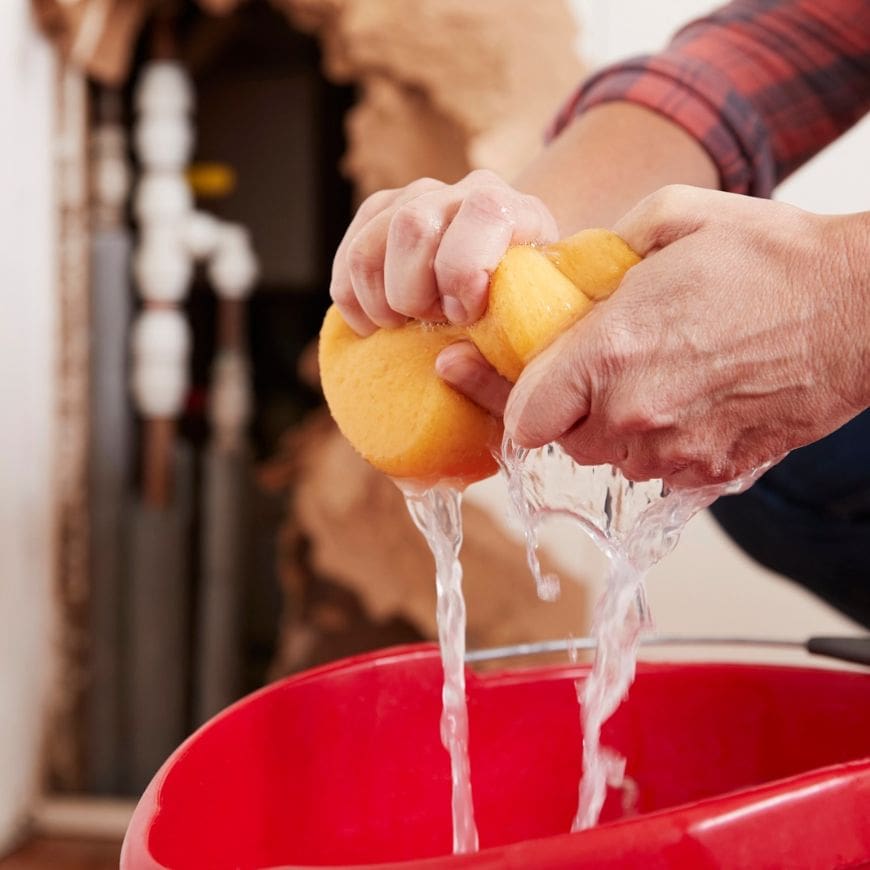
Move valuables, electronics, rugs and furniture away from the water. Use towels, buckets and mops to soak up as much as you can. If water is coming through a ceiling, place a bucket underneath and be cautious. A ceiling that is sagging or bulging with water may collapse, so keep people out of the room.

Step 6: Document the Damage
Take photos and videos of the burst pipe, the water damage and any affected belongings before cleaning up too much. This will be useful if you need to make an insurance claim. Keep receipts for any emergency expenses as well.
Step 7: Call an Emergency Plumber
Once the water is off and the area is as safe as possible, call a licensed emergency plumber who offers after-hours service. Describe what happened, where the burst is and what steps you have already taken. This helps them arrive prepared with the right parts.
What Causes Pipes to Burst?
Understanding the cause can help prevent it happening again. Common culprits include:
- High water pressure that stresses pipes and fittings over time
- Ageing pipes, particularly old galvanised steel or poorly joined copper
- Corrosion caused by water chemistry or contact with other metals
- Tree roots damaging underground pipes
- Physical damage from renovations, drilling or garden work
- Faulty fittings such as flexible hoses under sinks and toilets, which can perish with age
In Perth, freezing is rarely the issue. Pressure, age and failing flexible hoses are far more common.
Preventing the Next Burst
Once the emergency is over, consider a few preventative steps:
- Have a plumber check your water pressure and install a pressure limiting valve if needed.
- Replace old braided flexible hoses every few years, especially if they show rust or bulging.
- Know where your stop valve is and make sure it turns easily.
- Book an inspection if your home has older pipework.
Stay Calm and Act Fast
A burst pipe is stressful, but acting quickly makes a big difference. Turn off the water, stay safe around electricity, protect your belongings and get a professional on the way. The faster you respond, the less damage you will be left to repair.