

Children experience the world with an intensity that adults often forget. Their emotions are vivid, immediate, and sometimes overwhelming. A small disappointment can feel like the end of the world, while a burst of excitement can flood their whole body with energy they don’t yet know how to contain. Because kids are still learning how to interpret and express these emotions, they often rely on behaviour instead of words. A meltdown after school might actually be a release of built-up stress; quiet withdrawal might signal confusion or sadness; sudden anger could mask fear or embarrassment. What children need in these moments is not correction but connection—and one of the most effective bridges between their feelings and their ability to cope is creativity.
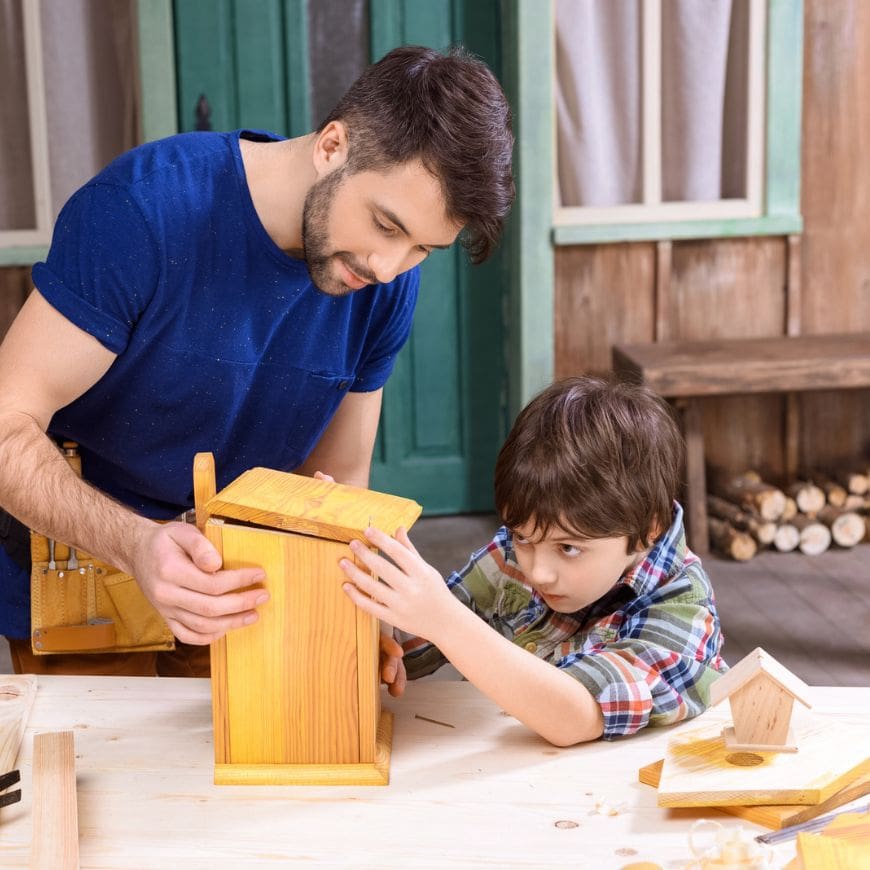
Craft-based activities give children an accessible and soothing outlet for emotional exploration. When a child is handed paint, paper, glue, or clay, they’re not just being given a project—they’re being given permission to express their inner world in a way that bypasses language. Through creativity, kids learn that feelings are not something to hide or be ashamed of, but something they can work with. And in families where emotional communication can be difficult, crafts can open the door to deeper, more supported conversations.
One of the most powerful aspects of creativity is the space it creates between the child and the emotion. When kids feel something too big to handle, they often react instinctively without understanding why. But the moment they begin working on something with their hands, their emotional state shifts. The simple act of choosing colors, textures, or shapes slows their breathing and redirects their focus. A child who is overwhelmed by anger may grab bold markers and draw energetic strokes across the page. A child who feels sad may choose softer colors or repetitive patterns that soothe them. Even engaging in something as straightforward as exploring card design can help them process their feelings on a deeper level, as they create imagery that reflects the emotional landscape they’re navigating. This transformation—from raw emotion to creative output—gives them a sense of agency they often lack during emotional overwhelm.
Parents who observe their children during craft time quickly learn that creativity reveals emotions long before words can. A child who has difficulty talking about their day might find it easier to draw a picture of how they felt at school. Another child might sculpt shapes that represent what’s on their mind, without needing to explain anything verbally. These quiet moments of creativity offer parents insight into their children’s emotional experiences in ways conversations sometimes can’t. And because crafting feels enjoyable and safe rather than stressful, the emotional release happens naturally.
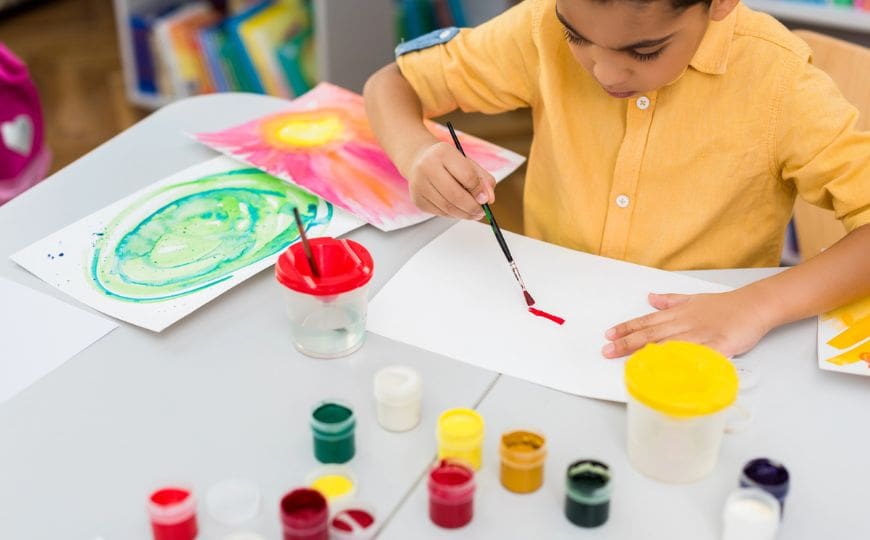
Color and emotion are deeply connected for children. Many parents notice that their kids intuitively select colors based on their moods. A child who is feeling anxious might choose dark blues or purples; a child who feels energetic might reach for bright reds or yellows. Encouraging them to express their emotions through color doesn’t need to be structured—it can simply involve asking them to draw “what today feels like,” or paint something that shows “what’s in their heart.” Over time, this nurtures emotional awareness. Kids begin to associate certain colors with feelings, which helps them name their emotions more confidently later on. These connections become powerful tools for self-regulation as they grow.
Creative storytelling is another gentle way to help children process big emotions. Kids often find it easier to talk about feelings through characters rather than discussing themselves directly. When they create a puppet, paint a character, or sketch a simple figure, they naturally project parts of their emotional world onto that creation. A story about a character who is “mad because his block tower fell” might reveal the child’s own frustrations. A puppet who is “scared to go to school” might be reflecting the child’s anxiety about a new classroom or routine. By engaging with characters they create, children explore challenging emotions in a more comfortable, indirect way. This method not only helps them identify their feelings but also teaches them empathy, problem-solving, and emotional language.
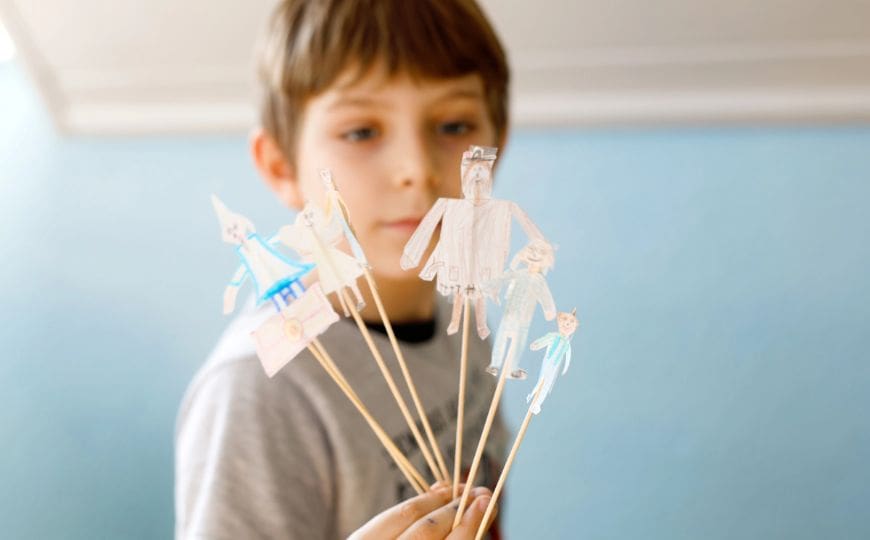
Parents can support this process by gently guiding stories without forcing meaning. Asking simple questions like “How does your character feel right now?” or “What happened next?” allows kids to navigate emotions at their own pace. These conversations build emotional intelligence while strengthening the relationship between parent and child. Instead of trying to “fix” the emotion, parents walk alongside the child as they explore it through creativity.
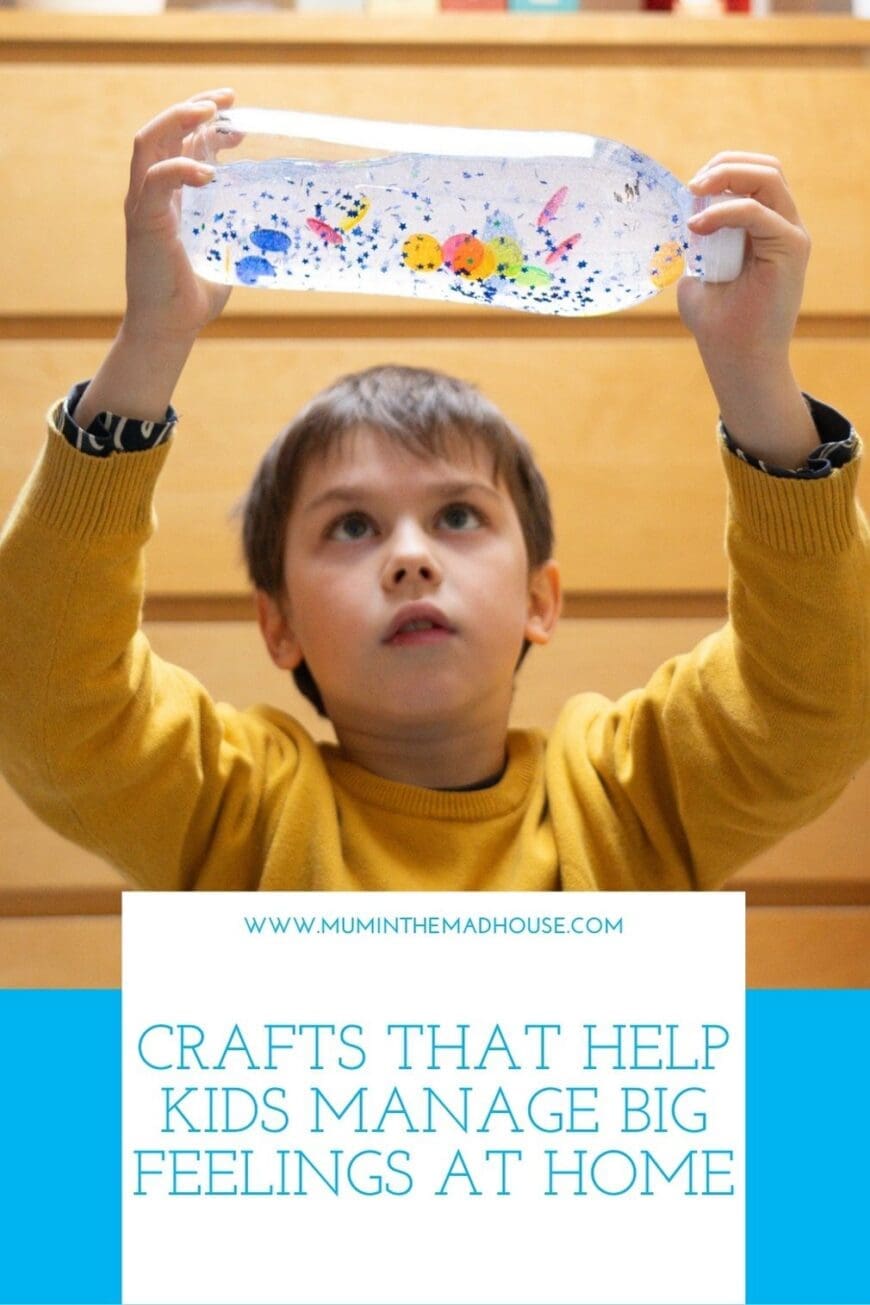
Crafts also introduce calming sensory experiences that help regulate the nervous system. Sensory crafts—such as shaping soft dough, running fingers through textured materials, or swirling water in a calm-down jar—offer grounding when emotions feel intense. Watching glitter settle in water, for example, is a visual metaphor for emotional settling. Children instinctively slow their breathing as they watch the glitter drift downward, and by the time the jar clears, they often feel calmer and more centered. These kinds of sensory tools provide children with reliable strategies to manage stress independently.
The process of making something from scratch can also redirect emotional energy in productive ways. Children who feel agitated or restless often respond well to tasks that involve tearing paper, molding clay, or painting large, sweeping shapes. Kids who feel sad or withdrawn might prefer quiet, repetitive crafts that bring a sense of comfort—such as threading beads or arranging small objects into patterns. Over time, children begin to recognize which types of creative activities help them feel better in specific emotional states, giving them the early foundations of self-soothing skills.
Crafting can also play a significant role in nurturing positive emotions. Creating a collage of things they love or making artwork inspired by family, pets, or favorite places helps anchor children in feelings of joy and security. Even on difficult days, returning to these positive projects can be emotionally grounding. They serve as visual reminders of what brings comfort, connection, and happiness.
Perhaps the most meaningful part of craft-based emotional work is the connection it fosters between children and their caregivers. When parents sit beside their children, share materials, and participate in creativity, they create an environment where emotions can be felt without judgment. A child who is struggling with big feelings often feels alone in those experiences; crafting together tells them, “You’re not alone. I’m here with you.” These shared moments strengthen emotional bonds and create trust that carries over into other parts of the day.
Creativity also empowers children to take ownership of their emotions. Rather than being swept away by big feelings, they learn they can express, transform, and understand them. This sense of control is deeply reassuring, especially for younger children who often feel overwhelmed by emotions they don’t yet understand.
Craft-based emotional support doesn’t require elaborate projects or expensive materials. What matters most is providing time, space, and attention. A quiet table, a few art supplies, and a willingness to let the child lead the way are enough to create profound emotional growth. Through creativity, children learn that feelings—even the biggest ones—are not something to fear, but something they can shape, understand, and express with confidence.

In a world where children face increasing pressures, overstimulation, and fast-paced routines, creating moments of creative calm is not just beneficial—it’s necessary. These moments slow down the noise, open space for emotional expression, and give children the tools they need to navigate their inner world with resilience. As they grow, children who practice creative emotional expression often become adults who can communicate their feelings clearly, cope with stress more effectively, and approach challenges with confidence.
When parents nurture creativity, they’re not just encouraging art—they’re supporting emotional well-being, strengthening family bonds, and giving children a lifelong skill: the ability to understand and express who they truly are, even when the feelings are big.