

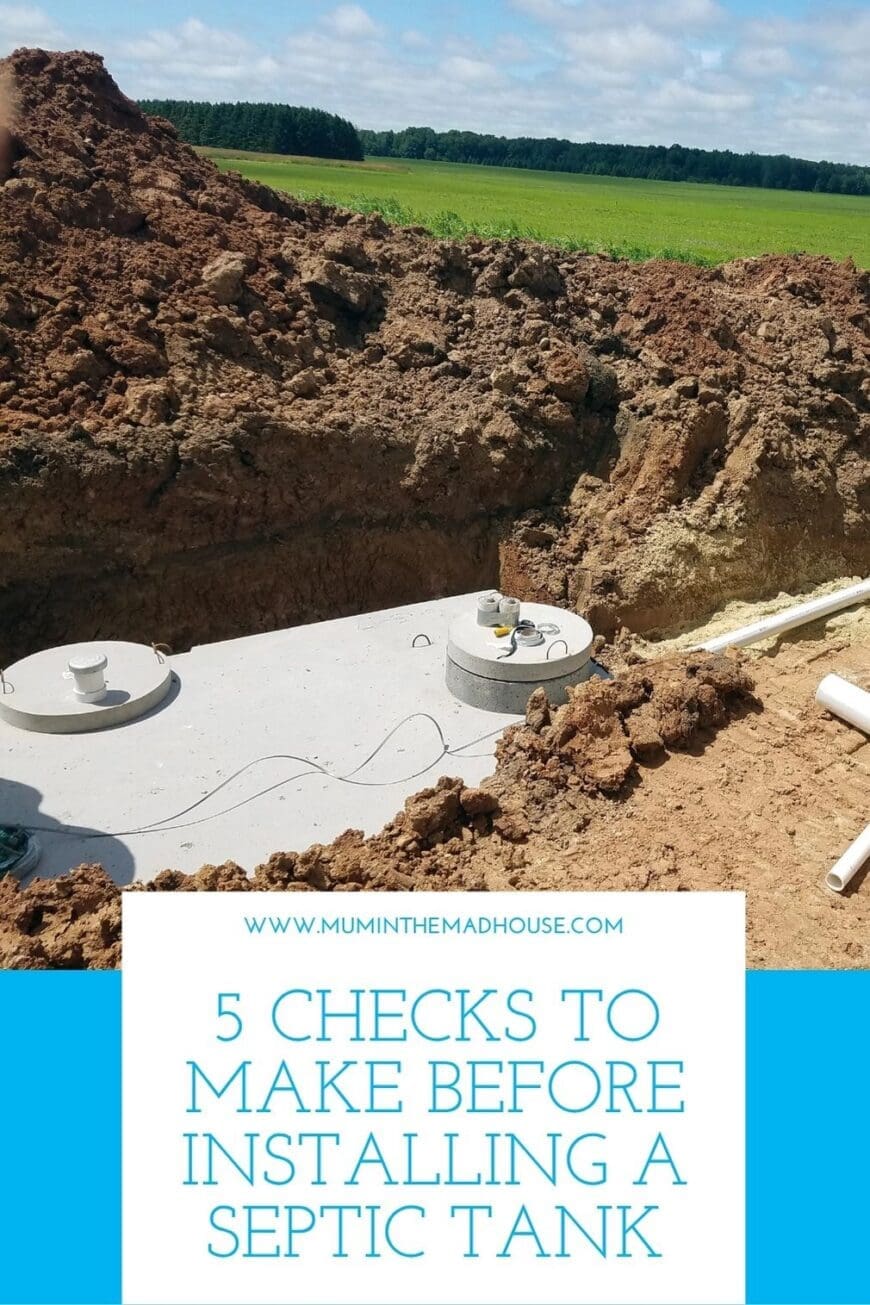
Scientifically and architecturally, the installation of a concrete septic tank is a good idea. Installation of a large-scale subsurface containment system requires careful spatial planning and engineering. Small errors in positioning can lead to environmental contamination, property damage and costly repairs. Follow this guide to learn how to locate containment systems and be ready.

1. Review of the Regional Environmental Codes and Setbacks
Before beginning any excavations, you must check with your local municipal government for the minimum required environmental isolation zones. Regulatory codes specify a minimum distance from surrounding geographic features of heavy waste systems. This helps to protect natural resources and public health by preventing any leaks in your concrete septic tanks that could occur underground.
Within the zoning framework, standards for the minimum distance of 15 metres from natural water bodies or open streams are generally applied. Heavy underground facilities are required to be at least 3 metres away from property fences or structures on which they are placed.
2. Soil Absorption Profiles and Water Tables
Subsurface geology determines the safety with which treated effluent will percolate back into the earth. Do an independent soil percolation test to determine how quickly fluid is absorbed in the soil. Avoid places that are full of clay or rocks because they stop water from draining naturally.
Map the historical peak heights of the local underground water table during heavy seasonal rain periods. Obviously, the bottom of your structural excavation zone should be well above the maximum groundwater level, so the system won’t flood. When you set infrastructure in well-draining, elevated soil zones, you avoid hydrostatic pressure problems and system failures.

3. Mapping Surface Topography and Drainage Slopes
The slope of your property affects how efficiently wastewater travels from your home to the treatment site via gravity. Ideally, you should place your underground treatment vault downhill from your main residential plumbing outlets to prevent the need for expensive electric pumps. However, don’t put the system on the bottom of a steep valley with rainwater collecting up inside.
Excessive surface water runoff above an underground tank can erode the soil so much that it destroys the system itself. Redirect surface storm paths away from the treatment site with clever landscaping and shallow swales. Being patient with the slope angles will help keep the sewer lines free of waterlogging.
4. Verify Heavy Vehicle Access Restrictions
Heavy precast infrastructure components need to be safely delivered and installed by crane and flatbed transport trucks. Make sure that the selected location has a clear, unobstructed path from the main road enabling access for heavy equipment. Avoid obstacles like low-hanging overhead power lines, fragile decorative driveways, or mature tree branches.
The containment zone must be free of any future heavy vehicle traffic or structural load once installed. Heavy trucks driving over a buried system can destroy the structural lid in a catastrophic way. Define the boundary line so vehicle operation doesn’t get buried and the vehicle is completely separated from your buried infrastructure.
5. Identifying Hidden Underground Utility Lines
If you excavate a large underground pit without scouting the surrounding terrain, you could accidentally touch buried commercial utility networks. Severing high-voltage electrical lines, fibre-optic internet feeds, or main water supplies is extremely dangerous and carries severe financial penalties.
Before you bring in any tools, you should call your local “do not disturb” service to get a map of all the public utilities that run through your property. Then, use coloured survey paint or flags to mark each one. Taking time to clear the subterranean landscape protects your crew and your project budget.
Establishing a Resilient Wastewater Network
When your heavy-duty treatment chamber is properly placed, your household infrastructure will work perfectly for decades. Besides protecting your property, a well-designed system keeps the area clean and orderly.
Take spatial auditing as a necessary investment in the foundation of your home’s operations. Your placement strategy today will be your way to secure safe and sustainable plumbing for your property.