

Power tools are an essential investment for both DIY enthusiasts and professional tradespeople. From constructing outdoor projects to handling everyday repairs, keeping your tools in top condition is key to ensuring reliable performance, safety, and long-term value.
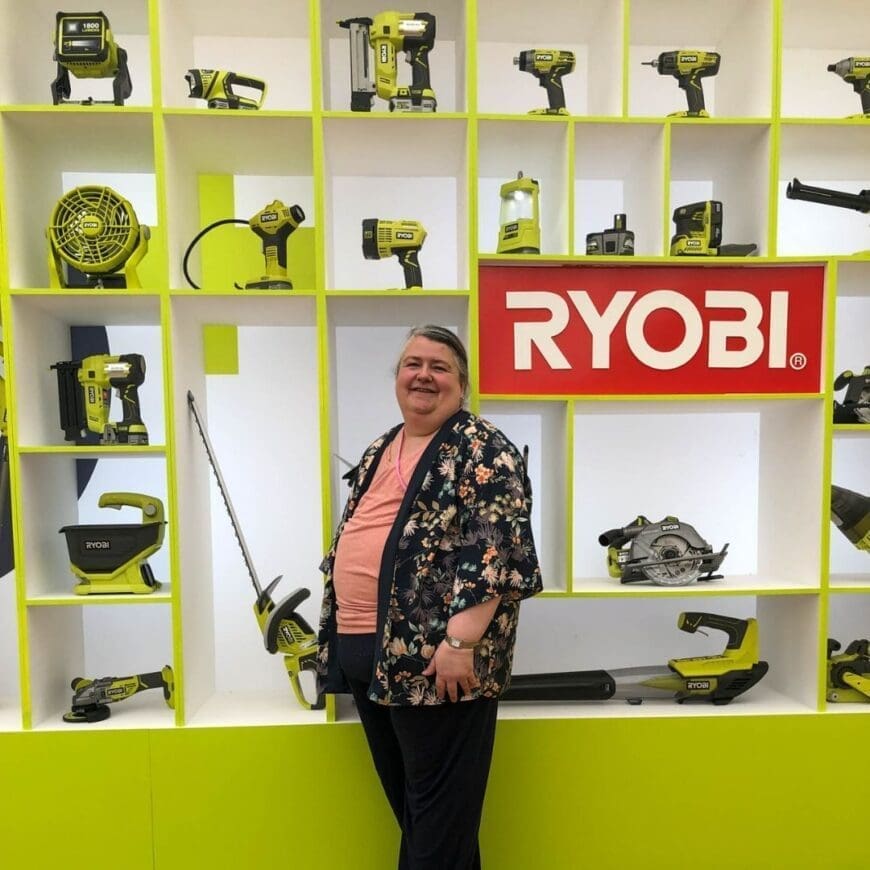
If you own equipment from RYOBI, taking advantage of resources like RYOBI Support Australia and following a few smart maintenance habits can significantly extend the lifespan of your tools while maintaining their efficiency and dependability.
Keep Your Tools Clean After Every Use
Dust, debris, and residue are among the biggest threats to power tools. After each use, wipe down external surfaces with a dry or slightly damp cloth. For tools exposed to sawdust or concrete particles, use compressed air to clean vents and moving parts. Keeping airflow pathways clear helps prevent overheating and ensures optimal motor performance.
Store Tools in a Dry, Protected Environment
Humidity and extreme temperatures can damage both mechanical and electronic components. Store your tools in a clean, dry space—preferably in their original cases or a dedicated toolbox. Avoid leaving them in garages prone to moisture or direct sunlight, as this can degrade plastic housings and internal wiring over time.
Maintain and Charge Batteries Correctly
Cordless tools rely heavily on battery health. Always use the manufacturer-recommended charger and avoid overcharging. Lithium-ion batteries, commonly used in RYOBI tools, perform best when kept between 20% and 80% charge. If you’re not using a tool for an extended period, store the battery partially charged and in a cool environment to prevent degradation.

Inspect Tools Regularly for Wear and Damage
Routine inspections can prevent small issues from becoming costly repairs. Check for frayed cords, loose screws, worn brushes, and damaged attachments. Replace worn components promptly using compatible parts. This not only extends the tool’s life but also reduces the risk of accidents.
Use the Right Tool for the Job
One of the most common causes of premature wear is misuse. Avoid pushing tools beyond their intended capacity. For example, don’t use a drill designed for light-duty work to bore through heavy masonry. Matching the right tool and accessory to the task ensures smoother operation and reduces strain on internal components.
Lubricate Moving Parts When Necessary
Certain tools, such as saws and drills, benefit from occasional lubrication. Apply manufacturer-approved lubricants to moving parts to reduce friction and wear. Be careful not to over-lubricate, as excess oil can attract dust and debris.
Update and Replace Accessories
Blades, drill bits, and sanding pads wear out over time. Using dull or damaged accessories forces your tool to work harder, which can shorten its lifespan. Regularly replace these components to maintain efficiency and protect the motor.
Follow Manufacturer Guidelines
Each tool comes with a user manual outlining proper usage, maintenance schedules, and safety precautions. Following these guidelines is one of the simplest ways to ensure longevity. If you’ve misplaced the manual, most are available online through the manufacturer’s website.

Final Thoughts
Extending the life of your RYOBI power tools doesn’t require complex procedures—just consistent care and mindful use. By keeping tools clean, storing them correctly, maintaining batteries, and using them as intended, you can maximise performance and avoid unnecessary replacement costs. A well-maintained tool not only lasts longer but also delivers safer, more reliable results on every project.