

When it comes to home improvement, achieving great results starts with one thing-precision. Measuring correctly can save you time, effort, and money, and help you achieve professional-looking results.
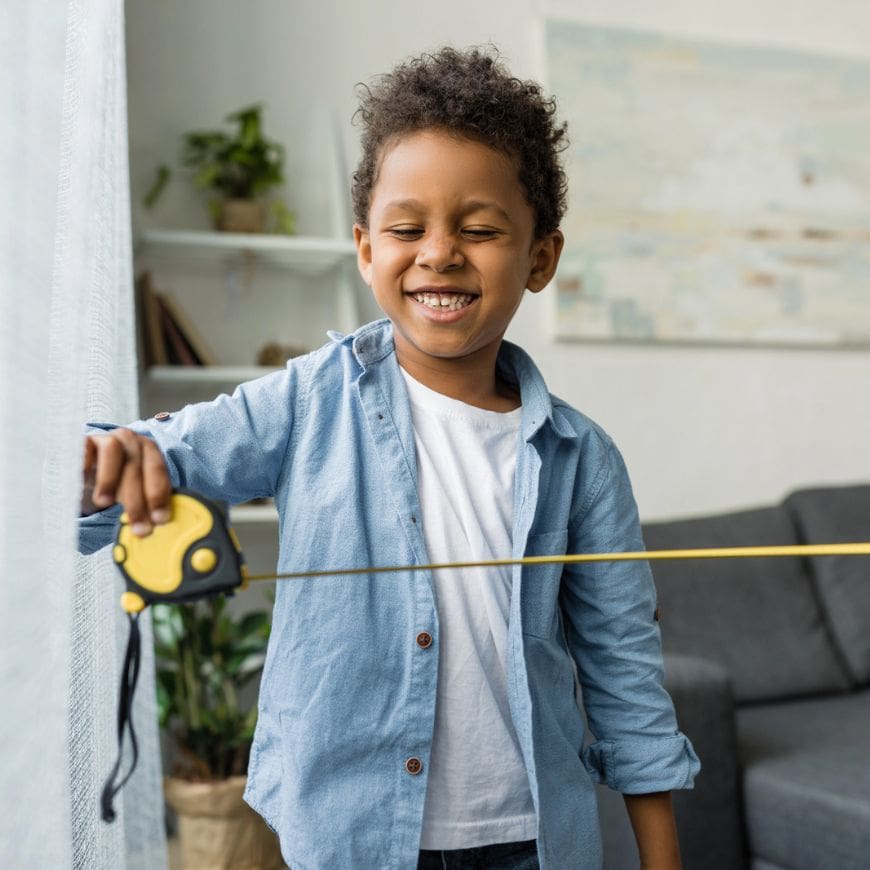
Whether you’re working on flooring, furniture placement, or replacing windows, dialling in accurate dimensions ensures everything fits and functions like it’s supposed to.
If you’ve struggled with getting things right in the past or feel uncertain about certain measuring aspects, don’t worry- you’re not alone. Keep reading to feel more confident in tackling home improvement projects with greater accuracy.
Measure Twice – Cut Once
Essential Tools to Keep Your Measurements Spot-On
You don’t need a fancy toolkit, but having the right tools makes measuring a lot easier and more accurate. Here are a few must-haves to consider picking up or dusting off for your next project:
- Tape Measure – Often a go-to for most jobs, the tape measure is versatile and reliable. Look for one with a sturdy blade that doesn’t collapse easily, especially for longer measurements.
- Spirit Level – Keeping things level is harder than it seems. A spirit level keeps your shelves, picture frames, or tiling don’t come out looking crooked.
- Laser Measure – Need to measure a large space quickly? A laser measure eliminates guesswork and improves accuracy over longer distances. It’s great for high ceilings and larger rooms where a tape measure might fall short (sometimes literally).
Aerial Roof Measurements for Larger Projects
When it comes to outdoor improvements or roofing specifically, aerial measurements are a game-changer. Instead of climbing onto the roof and breaking out a tape measure, you can use drone technology or services that calculate accurate dimensions of your roof.
These aerial measurements help when ordering supplies like shingles, flashing, or insulation. They also improve budgeting accuracy for larger-scale projects by reducing waste. However, unless you do a lot of DIY roof work (and we sincerely hope you don’t), leave this one to a reputable aerial roof measurement service.
Measuring Rooms for Flooring and Painting
When you’re redoing a floor or painting a room, accurate measurements with the right tools prevent everything from mismatched tones to wasted materials.
For flooring, measure the length and width of the room at its widest points, then multiply these numbers to calculate square footage. Always add 10–15% extra for mistakes or cuts-so you have some wiggle room and better consistency throughout the project.
For painting, go one step further by factoring in the walls’ height and subtracting any spaces taken up by doors or windows. Most paint cans will list the coverage per square foot, which can give you a clearer estimate of how much paint you’ll need.
Measuring for Furniture and Space Planning
Some people get lucky when furniture and other home decor fit “just right” on their first try. We’re jealous of those people. And…we may hate them a little bit.
When planning furniture placement, don’t just consider the dimensions of the pieces themselves-think about the circulation space around them too.
For example, your sofa might fit lengthwise along a wall, but do you have enough clearance to walk behind it comfortably? Similarly, dining chairs should have enough space to pull out fully without hitting a wall or other furniture, ideally leaving at least 3 feet of clearance behind each chair.
Common Measurement Mistakes and How to Avoid Them
Even the most seasoned DIYers can misstep when it comes to measuring. Save yourself the headache by learning from these common mistakes:
- “Eyeballing” It – Just don’t. Seriously.
- Not Accounting for Margins or Allowance – Whether it’s cutting wood or ordering fabric, leave a little wiggle room for adjustments. “Perfect fits” rarely happen.
- Skipping Double-Checks – Ever catch yourself saying, “That’s close enough”? Always measure twice, even if it feels redundant.
- Using the Wrong Tools – A tape measure won’t cut it for every job. Laser measures and levels are tools you shouldn’t skip out on for big projects.
Precision is Key to Making Your DIY Vision a Reality
Taking the time to measure correctly, using the right tools, and avoiding common pitfalls can be the difference between a stunning success and a frustrating do-over. Every great DIY project starts with careful planning and precise measurements.
Whether you’re renovating a room, installing new furniture, or tackling a bigger outdoor project, stay patient, double-check your work, and always be prepared for a few surprises along the way.
With the tips and tools above, you’re well-equipped to handle your next home improvement project with confidence and skill.