

Throughout pregnancy and motherhood, the body undergoes remarkable changes, and one of the most notable changes is the development of the breasts. When milk secretion occurs, most women find out quite soon that their old bras that they used before pregnancy are not suitable for them in terms of comfort, adaptability, and accessibility for breastfeeding. Consequently, it is the nursing bras that come with the best breastfeeding bra, giving ease and support both during the breastfeeding stage. If you are wondering how nursing bras work and whether they are worth the investment, this guide explains them step by step.

The Basic Structure of a Nursing Bra
At first glance, a nursing bra is quite indistinguishable from a normal bra. Basically, it is composed of cups, straps, hooks, and bands. Nevertheless, the fabric is specifically designed to meet the needs of lactating mothers. Nursing bras are created with convenience as the central factor, enabling mothers to breastfeed without the need to take off the bra completely. The principal difference is the method of removal of the bra cups, allowing access to the breast while still wearing the bra.
What Makes It Different from a Regular Bra
Traditional bras are aimed at shaping, lifting, or supporting the breasts, but they do not take into consideration the needs of breastfeeding. Nursing bras have the capacity for breast size change; they are made of softer fabrics to avoid the occurrence of rashes and have features of easy openings for feeding. Regular bras that could cause sore breast tissue are replaced with the best lactating bra, which will still hold the required support but will offer adaptability, expansion, and comfort.

Drop-Down Cups and One-Handed Access
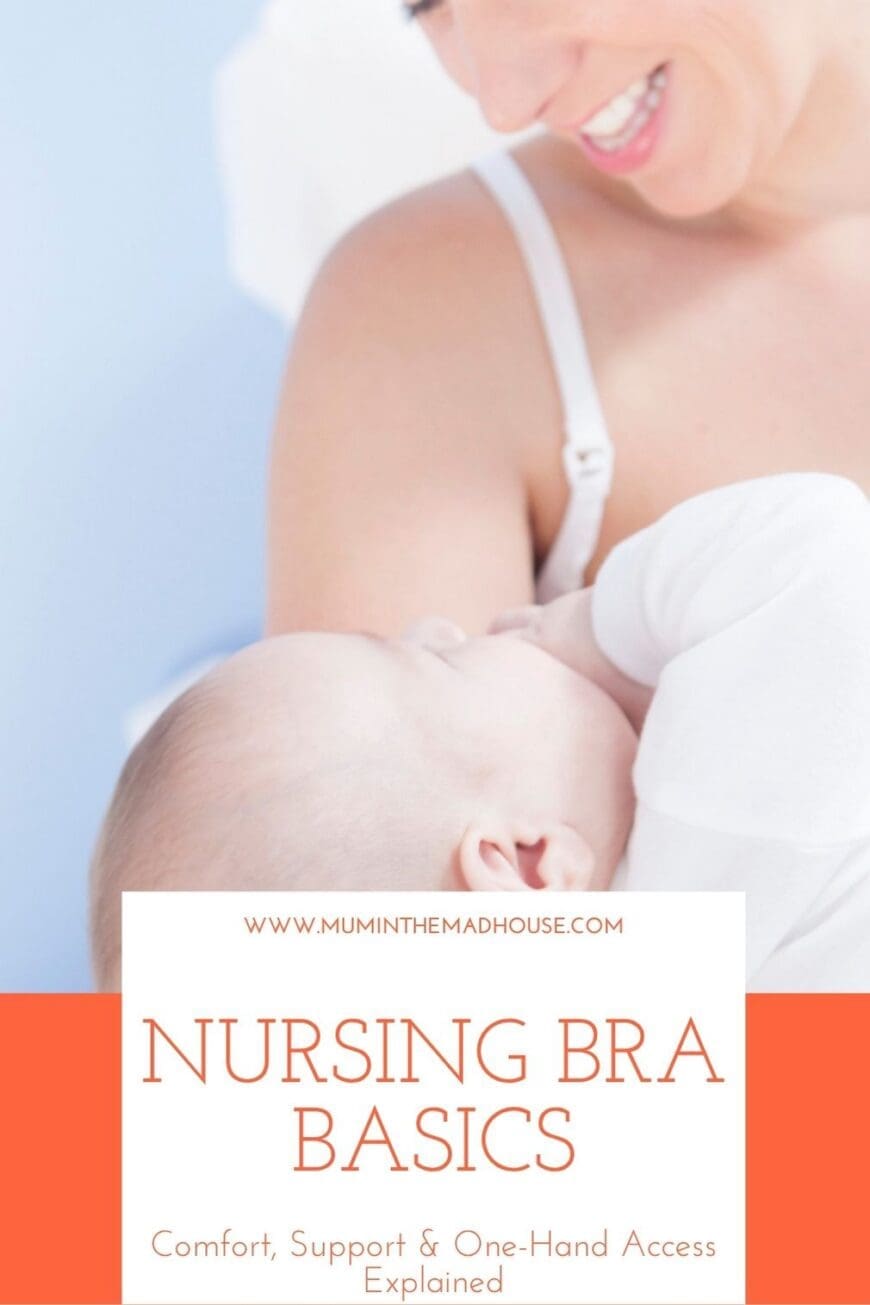
Among the most usable features of a nursing bra is the drop-down cup. For each cup, there is a clip or a snap that is located near the strap, and with one hand, it can be undone. Thus, the cup can be folded down while the strap stays in place, allowing the breast to be exposed for feeding.
Time-saving one-hand access is especially appreciated by most new moms, who are holding their baby with one arm and thus have only one hand free. With this design, breastfeeding in public or at night becomes easier since there are no layers of clothes that need to be removed or the bra that needs to be taken off.
Support for Changing Breast Size and Weight
Certainly, breast size and weight might vary a lot during pregnancy and after giving birth. For the first several weeks when the milk is coming in, the breasts may become engorged and tender, and usually some extra support is needed. A nursing bra is designed with more reinforced bands, heavier straps, and softer cups for these changes.
Any regular bra could become uncomfortable and tight, but nursing bras are made taking into account your body. They offer enough adjustability for the changes in swelling that will most likely happen before a feeding, and therefore, the wearer can be sure of comfort at any time.
Built-In Features for Comfort and Convenience
Many nursing bras, in addition to having drop-down cups, feature multiple features that could significantly impact daily usage:
- Extra hooks were added to the back band so that you can adjust according to whether your ribcage has expanded or contracted postpartum.
- Soft and breathable fabrics that are made to barely touch the skin of sensitive people.
- Seamless designs that do not cause abrasion and can be worn even under t-shirts.
- Lightly padded or with removable liners so as to avoid the leakage of milk being visible through the clothing.
Such considerate features enable moms to have a greater concentration on bonding with their babies while experiencing less discomfort.

Types of Nursing Bras and How Each Functions
Not all nursing bras are exactly similar, and the right one depends on your lifestyle and needs. The categories are the following:
- Wireless Nursing Bras – These bras are soft, flexible, and gentle on the tender breasts. They can be used for everyday comfort and as a precaution for blocked ducts.
- Underwire Nursing Bras – These bras can give you the needed lift and structure, especially for moms who have a larger bust. If you wear one, be sure there is no pressure point.
- Sports Nursing Bras – Are for the active mom,s and they offer more bounce control during the workout. They still have breastfeeding access.
- Pumping Bras – These are made with openings or panelthatch are there to hold the breast pump flanges in place so that your hands are free while you pump.
Functionally, each type of nursing bra is different, but they all have the common goal of balancing accessibility, support, and comfort.
When and How to Wear a Nursing Bra
Many moms regularly inquire when they will be using nursing bras. A few of them may even start wearing it as early as their second or third pregnancy when their regular bras are no longer comfortable. The former group of mothers may also refer the time to the very moment after the birth when the milk flow begins.
Whether you can wear bras for nursing during the day or at night is totally your choice. During the day, a bralette with clips might give you the feeling of comfort and support; however, at night, a soft sleep bra can help you hold breast pads in place as well as prevent leaks onto your sheets.
What to Look for When Trying One On
Finding the best breastfeeding bra comes down to a few key considerations:
- Fit: The band should be great for you and not feel tight, while the cups should be a little bit larger than the breast and be without any leakage of the breast.
- Comfort: Try to wear fabrics that are made up of natural fibres and have seamless construction to avoid skin irritation.
- Support: The long straps and bands give you a chance to share your body weight evenly, which in turn decreases the occurrence of shoulder pain.
- Ease of use: Make sure the clips that you have on your bra are very easy to unfasten with just one hand.
It’s also a good idea to buy more than one nursing bra—typically three to five—so you always have a clean option available.
Conclusion
So, how do nursing bras function? In a very simple way, they keep the feeding process easy, comfortable, and practical. Using detachable cups, elastic fabrics, and supportive constructions, they are the perfect fit for the bodily changes that come with being a mom. Although not every mother will find a necessity in them, the majority of them consider that the top nursing bra gives them a sense of freedom, alleviation, and courage in a very challenging period of life.
Whether you’re in the early days of pregnancy or already navigating the ups and downs of postpartum, investing in the right nursing bras can make all the difference in your comfort and your breastfeeding journey.