

The Importance of Financial Literacy for Kids
Financial literacy for kids is a crucial aspect of their overall education that often gets overlooked. Teaching kids about money at an early age equips them with essential budgeting skills that will serve them well into adulthood. Understanding the basics of financial education helps children grasp fundamental concepts such as saving, spending wisely, and distinguishing between needs and wants.

The importance of budgeting cannot be overstated; it lays the foundation for responsible financial behavior. By introducing children to budgeting techniques, parents can encourage them to track their expenses and savings goals. Engaging in activities like setting up a simple allowance system or involving them in family financial discussions can foster a sense of responsibility and awareness regarding money management.
Incorporating financial literacy into children’s lives not only prepares them for future economic challenges but also empowers them to make informed decisions about their finances. As they grow older, these lessons will enable them to navigate complex financial landscapes with confidence, ultimately leading to more secure and prosperous futures.
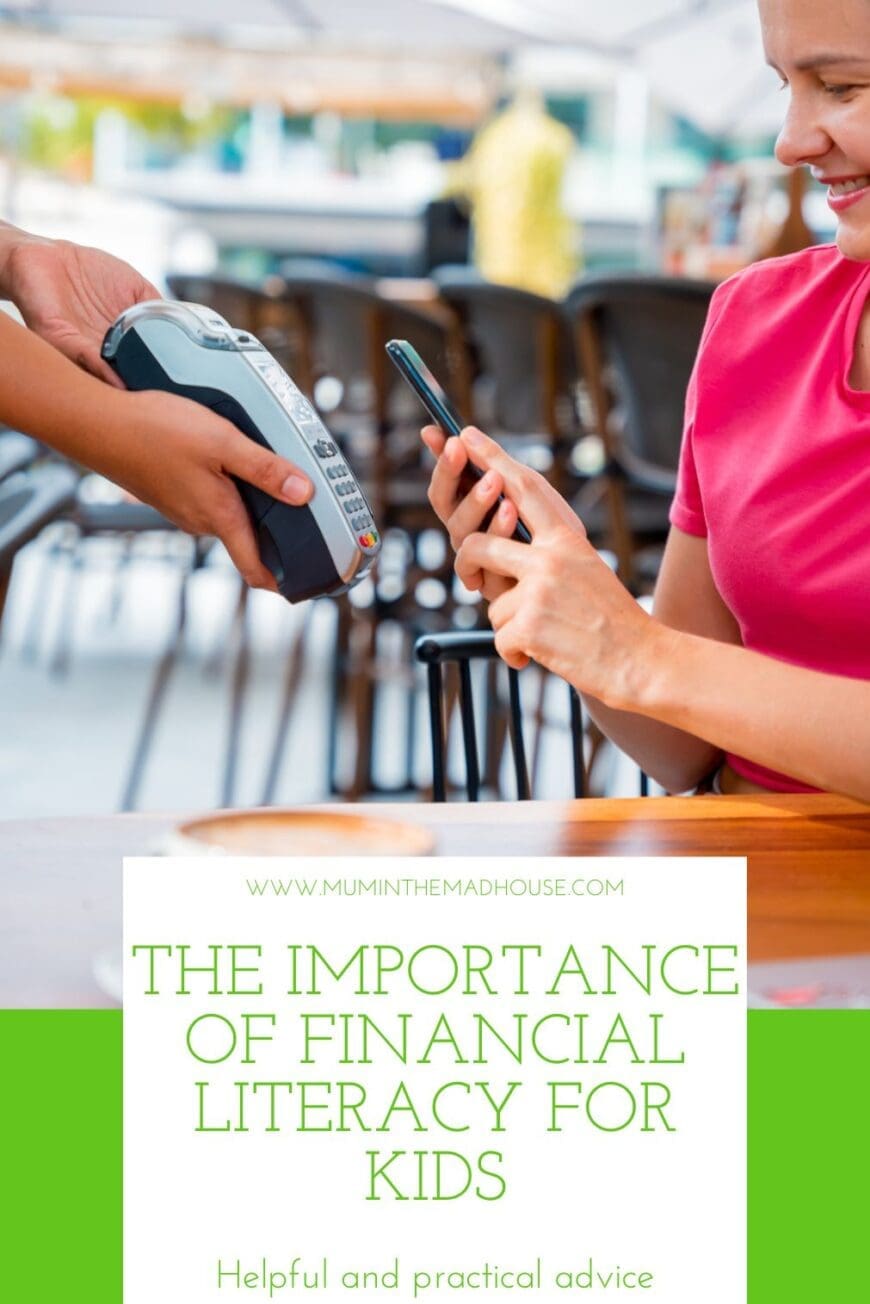
What are Virtual Cards and How Do They Work?
Virtual cards are digital payment cards that offer a secure and convenient way to manage online spending. Unlike traditional credit or debit cards, virtual cards are generated digitally and do not have a physical counterpart. This makes them an excellent tool for consumers looking to enhance their online shopping experience while maintaining security.
When you use a cash back with virtual card, you typically receive a unique card number, expiration date, and CVV code that can be used for online transactions. These details function just like those of a standard credit card. However, since they are not tied to your primary account in the same way as physical cards, they provide an added layer of protection against fraud. If a merchant experiences a data breach or if your information is compromised, the risk is minimized because the virtual card can often be set with limits or even deactivated without affecting your main account.
Additionally, many virtual credit cards offer benefits such as cash back on purchases. This feature allows users to earn rewards while enjoying safer online transactions. Understanding how virtual cards function can empower consumers to make smarter financial decisions and enhance their overall digital shopping experience.
The Role of Cashback in Budget Management for Young Learners
Cashback rewards have emerged as a valuable tool for young learners navigating the complexities of budget management. By incorporating cashback programs into their financial education, children can develop smart spending habits that not only teach them about money but also provide tangible incentives for saving.
One of the primary benefits of cashback for kids is its ability to encourage responsible spending. When young learners understand that they can earn a percentage back on their purchases, they are more likely to think critically about what they buy. This fosters an awareness of value and reinforces the idea that thoughtful spending leads to greater financial rewards.
Furthermore, cashback benefits serve as practical incentives for saving money. Instead of viewing savings as merely setting aside funds, kids can see it as an opportunity to earn more through well-planned purchases. Websites like Linkpay offer platforms where families can explore various cash back options, making it easier for young learners to engage with their finances in a fun and interactive way.
Incorporating cashback into budgeting lessons not only enhances financial literacy but also empowers children to make informed decisions about their money from an early age. By understanding the role of cashback rewards, young learners can cultivate habits that will benefit them throughout their lives.

Integrating Virtual Cards into Budgeting Lessons for Children
Integrating virtual cards into budgeting lessons for children offers a modern approach to teaching financial literacy. By incorporating budgeting activities for kids that utilize technology, educators and parents can create engaging and practical budgeting exercises that resonate with today’s digital-savvy youth.
Virtual cards mimic the experience of using real money while allowing children to manage their funds in a safe environment. This hands-on approach not only makes the learning process interactive but also helps kids understand the concept of spending within limits. For instance, parents can set up a virtual card with a specific budget for weekly expenses, encouraging children to plan their purchases accordingly.
Using tech to teach finance empowers children with skills they will need in adulthood. These budgeting lessons can include tracking spending through an app or simulating transactions with virtual cards, providing immediate feedback on their financial decisions. As children participate in these practical budgeting exercises, they develop critical thinking skills and learn valuable lessons about saving, spending wisely, and making informed financial choices.
Tips for Parents: How to Guide Kids in Using Virtual Cards Responsibly
As digital payment methods become more prevalent, it’s essential for parents to provide guidance on how to use virtual cards responsibly. Here are some practical tips for parents looking to teach their children about financial responsibility in the context of virtual card usage.
First, start with parental guidance on finances by discussing the basics of money management. Explain how virtual cards work, including the importance of budgeting and tracking expenses. This foundational knowledge will help children understand that money is a limited resource that needs careful management.
Next, involve your kids in setting up their virtual card accounts and teach them about monitoring their spending. Encourage them to regularly check their balances and review transactions together. This practice not only helps them stay aware of their spending habits but also fosters open communication about finances.
Additionally, use children’s financial apps that offer features designed for young users. Many apps include budgeting tools and spending limits, which can be excellent resources for teaching responsibility with money. By utilizing these tools, you can guide your kids in making informed decisions about their purchases.
Finally, establish clear rules regarding virtual card usage and encourage discussions around any purchases they wish to make. By fostering an environment where questions are welcomed and discussions are encouraged, you empower your children to make thoughtful financial choices while learning valuable lessons about responsibility along the way.