

Ever noticed that annoying drip under your kitchen sink and thought “I’ll get to it next weekend”? We have all been there. But here’s the thing – what starts as a minor annoyance can empty your wallet faster than a burst pipe. Just ask my neighbor who ignored a small leak, only to end up with a $5,000 repair bill and a partially renovated kitchen.
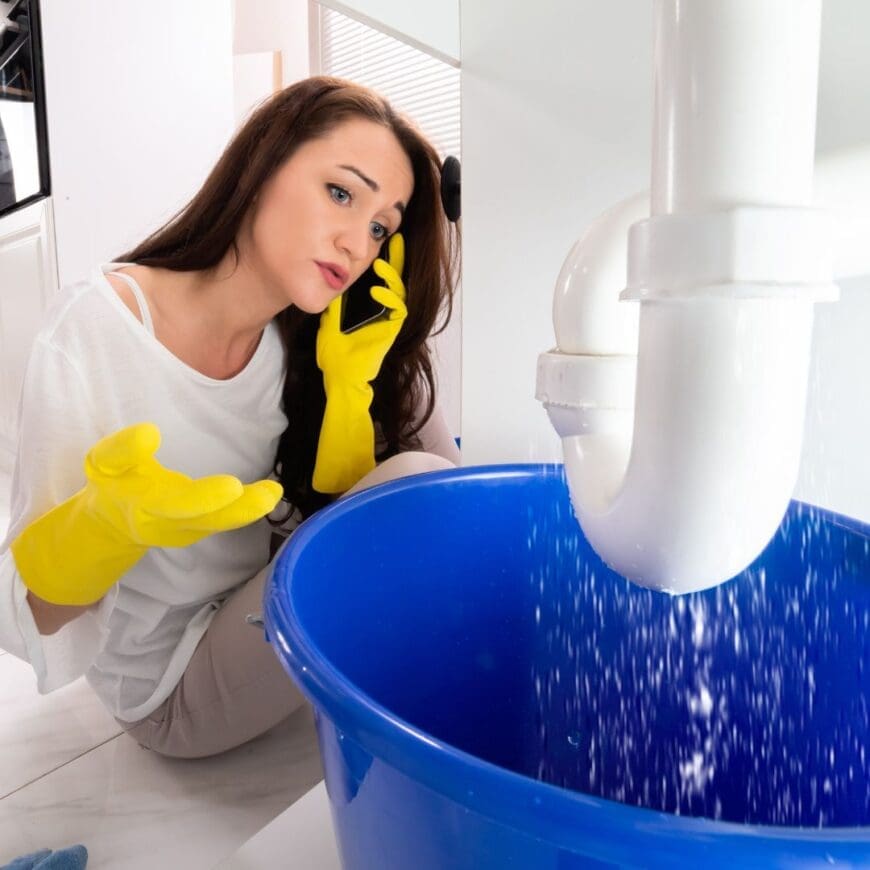
The key to preventing water damage at home is often as simple as using waterproof sealant in vulnerable areas, combined with vigilant maintenance.
Armed with the right knowledge and a handful of basic tools, homeowners can tackle potential water issues before they become major headaches.
Understanding the Silent Threats: The Key to Preventing Water Damage at Home
You’d be surprised where water can sneak into your home – it’s not just about those obvious pipe leaks. Everything from improperly caulked shower frames to tiny gaps around window sills turn into major headaches.
1. The Hidden Danger Zones: High-Risk Areas You Can’t Ignore
Regular inspections of bathrooms, kitchens, and basements should be conducted at least monthly, with special attention paid to corners and joints where moisture tends to accumulate. These areas often show the first signs of potential water damage through subtle changes.
2. Tell-Tale Stains: Decoding Wall and Ceiling Signals
These yellowish or brownish stains typically indicate water accumulation behind surfaces that’s already causing damage. Immediate investigation is crucial as these marks often suggest larger issues developing within your walls.
3. The Nose Knows: What Those Musty Odors Really Mean
Such odors in bathrooms or basements are nature’s warning system for water-related issues. These smells often precede visible mold growth and can signal serious structural concerns developing behind your walls.
4. Floor Tales: When Your Floorboards Start Speaking
Notice your floorboards starting to buckle? Unfortunately, by the time you spot warping in your kitchen or bathroom floors, water has already been under there for weeks. When moisture sneaks beneath your floors, it can turn your solid subfloor into something with the structural integrity of a wet cardboard box.
Essential DIY Prevention Projects Anyone Can Master
Taking control of home maintenance doesn’t require professional expertise – just dedication and attention to detail. Simple weekend projects can significantly reduce the risk of water damage while saving substantial money on future repairs. Modern materials and tools have made many traditional plumbing tasks more accessible to DIY enthusiasts.
With proper research and preparation, homeowners can tackle various preventive projects with confidence.
1. Smart Sentinels: Installing Your Water Defense System
Installing modern leak detectors near major appliances and flood-prone areas can alert you to problems before they become catastrophic. Smart sensors can now send instant notifications to your phone when moisture is detected, allowing for rapid response even when you’re away.
2. Gutter Glory: Mastering the Art of Proper Drainage
Seasonal cleaning and inspection of these systems prevents water from pooling around your foundation and seeping into your basement. Just two thorough cleanings per year can prevent thousands in potential water damage repairs.
3. Pump Power: Your Basement’s Best Friend
Monthly tests involving simple water pours into the sump pit verify that your system remains operational. This basic maintenance task can mean the difference between a dry basement and a flooded one during heavy rains.
Advanced Protection Strategies for Long-Term Peace of Mind
While basic maintenance forms the foundation of water damage prevention, implementing advanced protection measures can provide additional security. Modern technology offers innovative solutions for detecting and preventing water damage. Smart home systems can now monitor water usage patterns and automatically shut off supply lines when leaks are detected.
1. Steel vs. Steel: Upgrading Your Water Supply Lines
These robust replacements for standard rubber hoses provide significantly better durability and longevity. Installing them on major appliances can prevent catastrophic flooding events that often occur with aging rubber lines.
2. Smart Home, Dry Home: The Future of Leak Prevention
These advanced systems can detect subtle changes in water pressure and usage patterns that indicate potential problems. Their ability to automatically shut off water supply when leaks are detected makes them an invaluable addition to any comprehensive water damage prevention strategy.
Conclusion: Empowering Homeowners Through Prevention
Water damage prevention doesn’t require extensive expertise or expensive professional services – just consistent attention and basic DIY skills. By understanding potential threats and implementing appropriate preventive measures, homeowners can protect their investments and avoid costly repairs. Regular maintenance combined with smart upgrades creates a robust defense against water-related problems.
Remember that prevention always costs less than restoration, making these DIY projects valuable investments in home protection.