

With energy bills higher than ever, families are looking for smarter ways to cook at home. Both slow cookers and pressure cookers (like the Instant Pot) promise tasty meals with less energy use than ovens, but which is really more efficient? Here’s a simple guide comparing cooking times, energy efficiency, flavour, and convenience to help you choose the best option for your family kitchen.
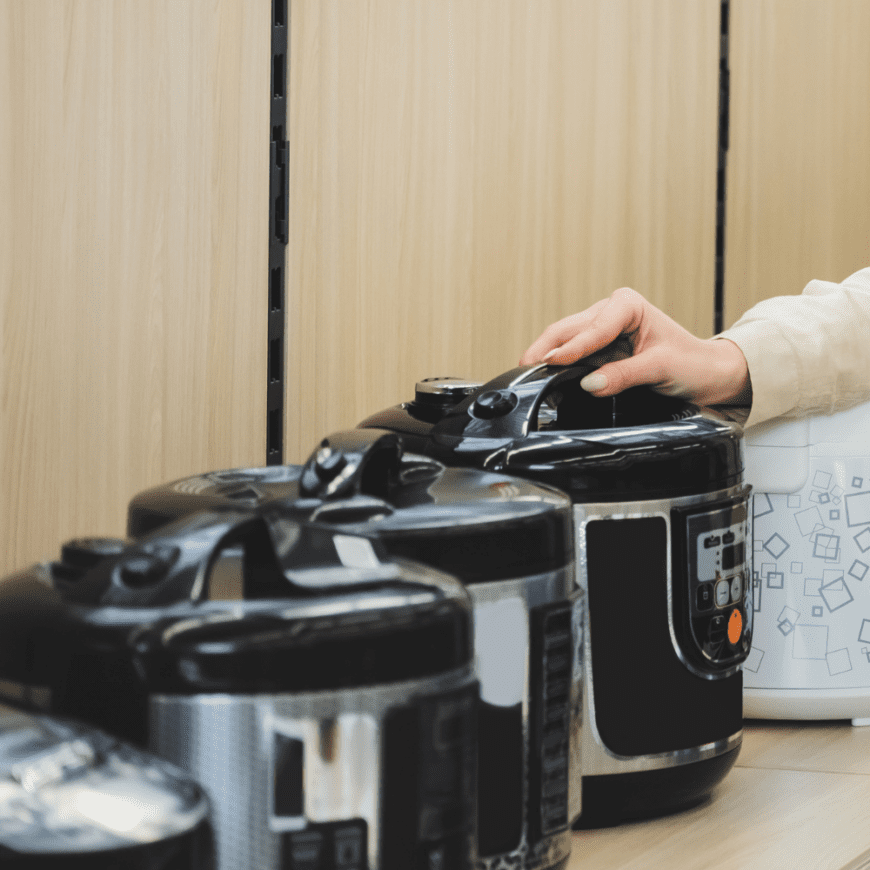
With energy bills on the rise, many families are rethinking how they cook at home. Two of the most popular kitchen appliances right now are the slow cooker and the electric pressure cooker (like the Instant Pot). Both promise convenience, delicious meals, and in many cases, lower running costs compared to ovens. But which is more energy efficient—and which is right for your family kitchen?
The Main Difference
The key difference between slow cooking and pressure cooking lies in time and temperature. A slow cooker uses low heat over a long period, often 6 to 8 hours, to break down tough cuts of meat and create rich flavours. A pressure cooker, on the other hand, cooks food under high pressure, drastically reducing cooking times—meals that take all day in a slow cooker can be pressure-cooked in under an hour.
Energy Efficiency
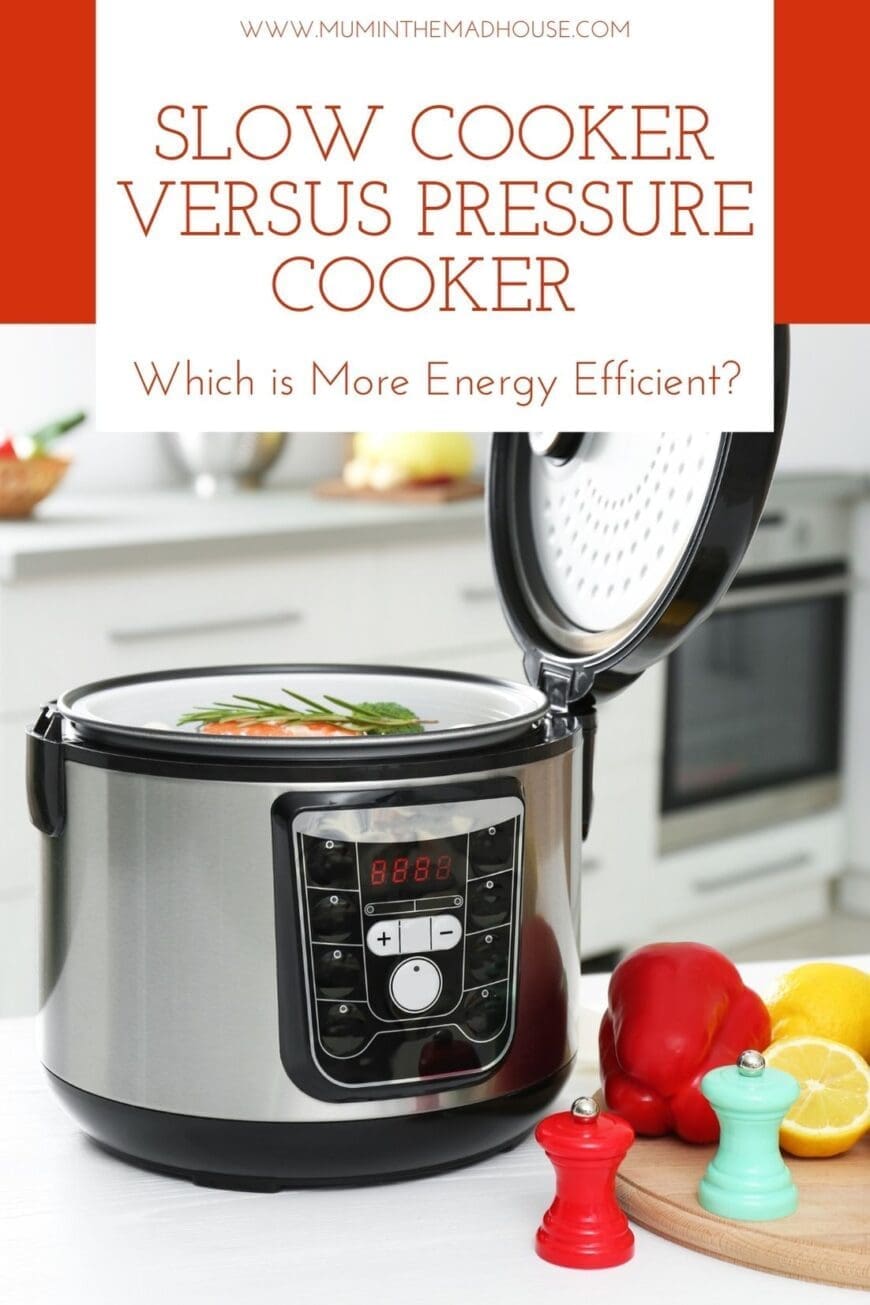
Energy efficiency isn’t just about wattage, it’s about total energy use over time. A slow cooker typically runs at 150 to 300 watts, but because it’s on for many hours, its total consumption can be higher than expected. A modern electric pressure cooker might use 700 to 1000 watts, but it’s only running for a short time. In many cases, this makes pressure cooking the more energy-efficient option.
Compared with ovens—which can run at 2000 to 3000 watts—both slow cookers and pressure cookers are far more efficient.
Cooking Results
Both appliances shine with certain dishes. Slow cookers are ideal for stews, soups, and pot roasts, where long cooking times enhance flavour development and create tender meats. Pressure cookers excel with beans, lentils, grains, and tough cuts of meat like beef brisket, pork shoulder, and lamb shank—transforming them into tender, flavourful meals in a fraction of the time.
Flavour and Texture
Slow cooking is famous for its deep, rich flavours and fall-apart textures. The downside is that vegetables can sometimes become mushy with long cook times. Pressure cooking, by locking in steam and cooking quickly, often preserves more nutrients and fresher flavours. For the best results, many families use both: a slow cooker for all-day dishes and a pressure cooker when dinner needs to be on the table fast.

Family Use Cases
Both appliances suit different lifestyles. If you’re out of the house all day, a slow cooker is a safe, low-heat way to come home to a ready meal. If your evenings are hectic but you want a home-cooked dinner, an electric pressure cooker is invaluable—it can cook a curry, pot roast, or beans in under an hour. Many modern models, like the Instant Pot, also function as rice cookers, yogurt makers, and even air fryers, adding extra versatility.
Safety and Raw Meat
A quick note on food safety: while it’s fine to cook raw meat in a slow cooker, it’s recommended to ensure it reaches a safe internal temperature. Some people prefer to brown meat first for both safety and flavour. With pressure cookers, meat reaches high temperatures quickly, reducing safety concerns and speeding up cooking times.
Final Thoughts
So, which is more energy efficient: slow cooker or pressure cooker? While both use less energy than a standard oven, the electric pressure cooker usually comes out ahead thanks to its shorter cooking times. That said, each has its place in a family kitchen—slow cookers are unbeatable for hands-off cooking and rich stews, while pressure cookers are perfect for quick, nutritious meals after a busy day. For many households, having both appliances means the best of both worlds.

This post contains affiliate links. If you make any purchases after clicking one of these links, I will make a small commission (hopefully enough to keep me in tea all year) – at no extra cost to you! This allows me to keep creating and sharing free tutorials and content for you. Thank you!
No products found.