

Effective exam revision can transform the often intimidating idea of exams into a more confident, well-prepared experience. Revision becomes a manageable and productive process with the right strategies, tools, and a structured study plan.
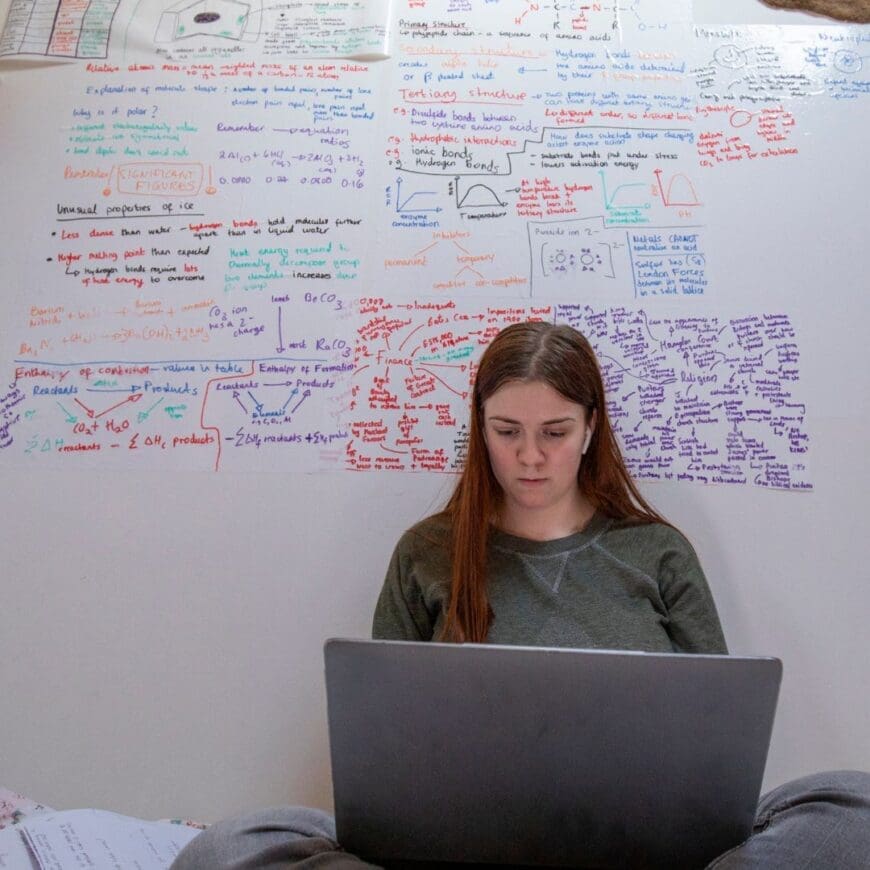
This guide shares practical methods for creating a revision approach tailored to your learning style. It will help you make the most of your study time and achieve better exam results.
Setting Clear, Achievable Goals for Exam Revision
Setting specific goals for your study sessions gives your revision structure and direction, keeping you on track and letting you measure progress. Instead of vague goals like “study chemistry,” focus on concrete tasks, such as completing a chapter, learning key formulas, or practising certain problem-solving techniques within a set timeframe. These targeted objectives give each study session a clear finish line, which can boost motivation and help you check how well you understand the material.
The SMART goal-setting framework is specific, measurable, achievable, relevant, and time-bound and breaks down larger tasks into manageable steps. For example, if your exam is in four weeks, set weekly goals by topic or chapter, then break these down further into daily objectives to reinforce your understanding of each section.
Using SMART goals keeps your revision organized and time-efficient, helping prevent the feeling of being swamped by too much content. Study guides to help with exam revision are excellent resources that provide structured learning paths and benchmarks to track progress.

Creating an Effective Study Schedule
Creating a well-structured study timetable can help you make the most of your revision time and avoid last-minute cramming. Start by identifying when you’re most productive. Some people are at their best in the morning, while others hit their stride later in the day. Knowing your natural rhythm allows you to arrange study sessions during your peak energy times, boosting focus and making it easier to retain information.
Incorporate regular breaks into your study schedule to prevent burnout. A popular method is the Pomodoro Technique: study for 25 minutes, then take a 5-minute break. Repeat this cycle four times, then take a longer break.
Keeping your schedule flexible is just as important. As you dive deeper into revision, you might find some subjects need more time than you’d planned. Adjust your timetable as you go by redistributing time from other subjects or switching study slots to cover more demanding topics. A flexible schedule lets you make these changes without the stress of a rigid plan, so you stay on track smoothly.
Choosing the Right Study Tools and Resources
The variety of study tools available today can make a real difference in your revision, helping you understand and remember information more effectively. Flashcards, mind maps, online quizzes, and digital note-taking apps are tailored to suit different learning styles. For example, flashcards work well for memorizing definitions or dates, while mind maps can help with subjects that need a strong grasp of concepts, like science or history.
Flashcards encourage active recall, prompting you to test your knowledge of key facts. They’re simple to carry around, letting you study on the go. Many apps make creating flashcards easy and use spaced repetition to improve memory retention, showing cards at intervals that help move information into long-term memory.
Mind maps, meanwhile, are excellent for visual learners. They create a visual structure, linking main ideas with subtopics to show how everything connects.
Then, there are online resources like Studocu, which can support your study by giving access to a wealth of study guides, lecture notes, and materials shared by other students. These resources offer alternative approaches to topics, helping fill gaps in understanding or providing fresh perspectives on tricky concepts.
It can also help to use a revision platform that brings different types of resources together in one place. Cognito provides revision notes, videos, quizzes, flashcards, exam questions and past papers, with resources mapped to the student’s chosen exam board. This makes it easier to concentrate on the material that is actually relevant to the course rather than spending valuable revision time searching through unrelated content. Cognito is free to try, with the revision notes, videos and past papers all completely free. Quizzes and flashcards have weekly limits, but if you find it useful, the code MADHOUSE20 gets you 20% off Pro.
Using a combination of these study tools, along with online resources, can make your revision sessions more productive and even enjoyable. With the right mix, you can keep your learning engaging and effective.
Testing Your Knowledge with Practice Papers
Testing yourself with practice exams can make a real difference to your revision. They help you strengthen your knowledge and give you a sense of your readiness by clearly showing where you’re strong and where there’s room for improvement. Going through past papers or practice questions lets you get comfortable with the questions you might see. It removes any unwelcome surprises, helping you feel more prepared and in control on the exam day.
Simulating exam conditions by timing yourself during practice tests is another effective strategy. Many students find that pacing is one of the greatest exam challenges, so timing yourself. At the same time, practising allows you to develop an effective strategy for completing questions within the allotted time. Aim to finish each section of the paper with a few minutes to review answers or make adjustments. You’ll naturally develop a comfortable rhythm for handling different question types as you progress.
After each practice test, review your answers, especially in areas where you lost marks or found the questions tricky. Highlight these weak spots and include them in your revision schedule.
A resource such as Cognito can make this targeted practice easier. Its past-paper collection gives students access to a wide range of exam practice, while science questions can be explored by topic to focus revision on particular weak areas. Combining these questions with active-learning tools such as quizzes and flashcards helps students retrieve information, apply what they have learned and check their progress rather than simply rereading their notes.
MADHOUSE20 gives 20% off any Cognito packages.
Embracing Active Learning Techniques
Active learning is a highly effective way to stay engaged and truly grasp your studies. Unlike passive learning, which often depends on reading or memorizing, active learning invites you to interact with the material, making it easier to understand and remember. Techniques like summarising, self-questioning, teaching others, and creating custom study materials can keep your brain involved and alert.
Summarising helps you distil the information down to essential points or bullet lists, pushing you to identify the core ideas of a topic. It’s a great way to solidify your understanding and serves as a quick reference guide during last-minute revision. Explaining what you’ve learned to someone else, whether a classmate, friend, or family member is also very useful. When you break down complex ideas into simple terms, you reinforce your understanding and catch any gaps you might have missed.
Creating your study materials, like flashcards or mock exam questions, adds another layer of engagement. By designing questions focused on your weak areas, you’re actively working with the content and can use these tools for extra review sessions later.
Maintaining Motivation and Managing Stress
Staying motivated during exam revision can be tough, especially as exam dates approach and stress levels spike. Adding motivational techniques and stress management practices to your routine can help keep you focused and positive. Try setting up a reward system for reaching study milestones; it’s a simple way to stay motivated.
Keeping stress in check is equally important for a healthy mindset. Regular exercise, balanced meals, and enough sleep can keep your energy steady and improve focus. Techniques like deep breathing, meditation, or yoga are excellent for easing anxiety and maintaining a calm outlook. Short breaks, fresh air, and gentle activity can all work wonders to refresh your mind during intense study sessions.
Staying connected with friends or classmates can also be a real boost, as sharing experiences and study tips provides encouragement and support. It helps to remember that you’re not alone in this. Having company in the revision process makes it feel more manageable. Regular breaks and activities to relieve stress are as essential as study hours for staying productive and healthy throughout your exam preparation.