

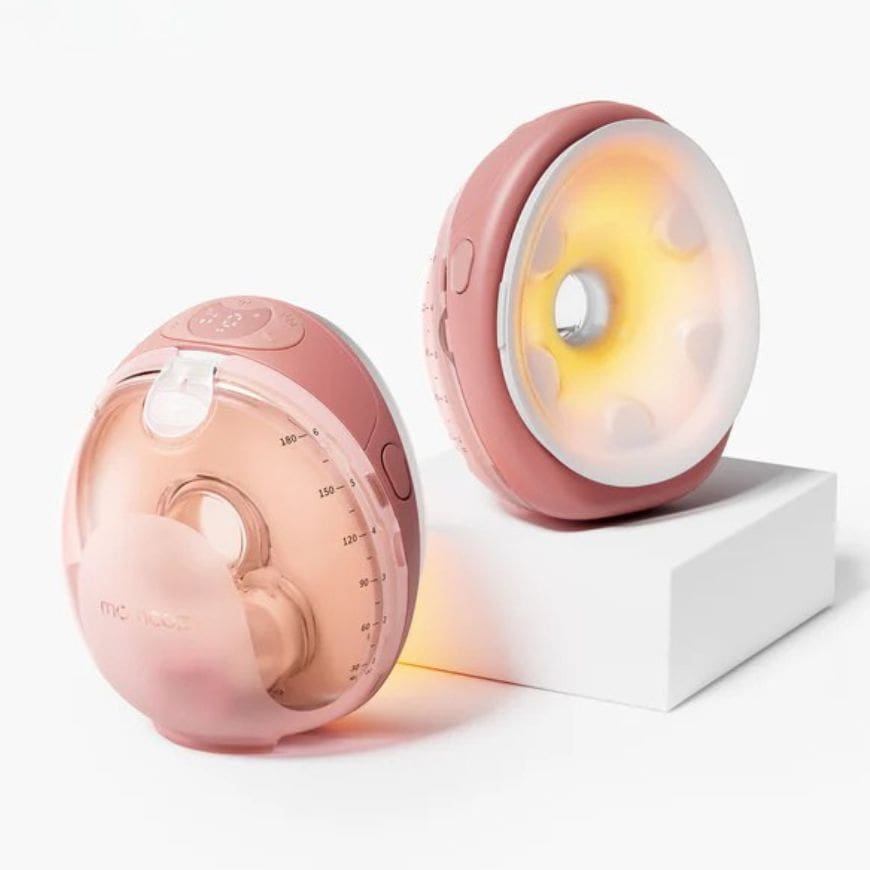
Pumping breast milk is often framed purely around suction levels, suction patterns, and flange fit—but there’s more to a comfortable and effective pumping experience than suction alone. For many mothers, the real difference between a frustrating session and one that feels smooth and productive comes down to comfort pumping, where warmth and gentle motion work with the body rather than against it.
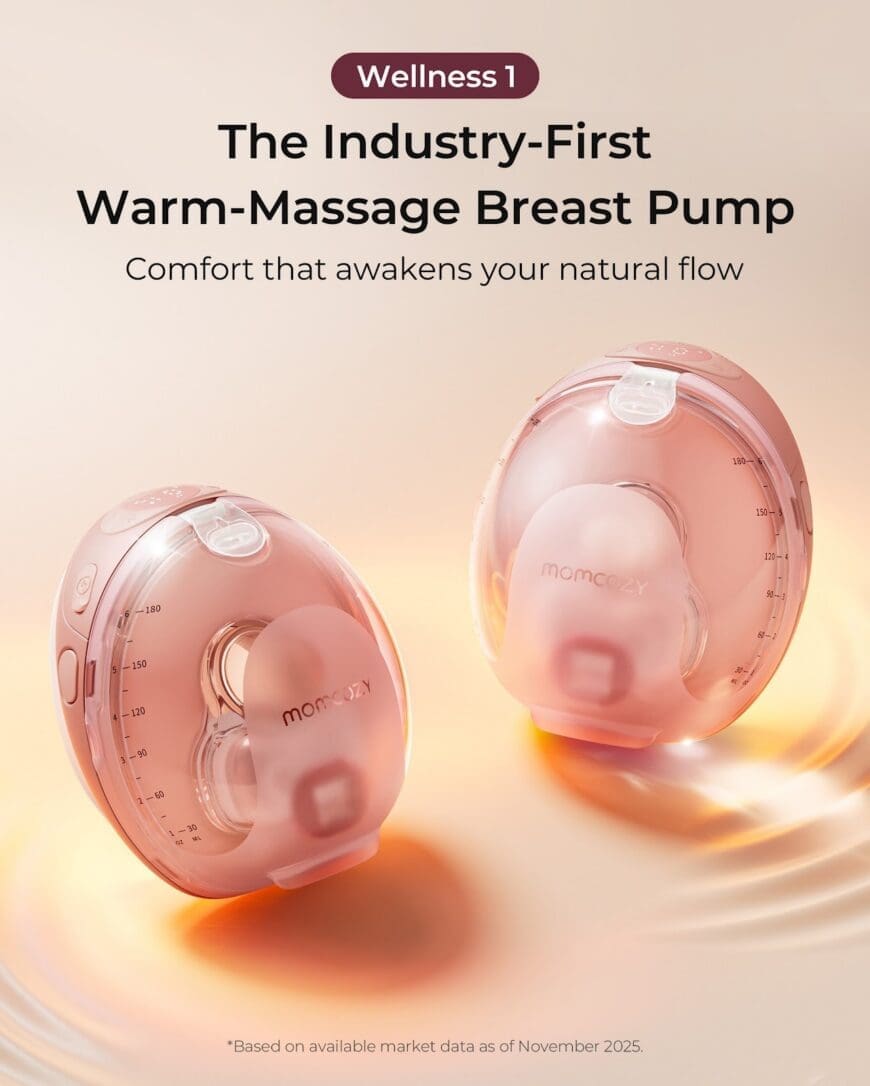
Modern technology like the Momcozy W1 Warm Massage Breast Pump shows how innovation in vibration and heat can transform pumping into a more natural, comfortable, and efficient process. Understanding why these elements matter—and how they change the physical experience of pumping—can help moms get the most from their breast pumps while prioritizing well-being and comfort.
Why Mechanical Vibration Reduces Nipple Sensitivity During Pumping
Comfort Isn’t Just About Suction
Traditional breast pumps focus on strength and rhythm of suction—but suction alone can sometimes overstimulate sensitive breast tissue, leading to discomfort, soreness, or even pain. This is especially common in early pumping experiences or for mothers with sensitive nipples or thin skin.
How Vibration Works with Sensory Thresholds
Mechanical vibration during pumping isn’t just a “feel-good” add-on—it actively interacts with the nervous system:
- Sensory modulation: Gentle vibration can reduce sensitivity by providing a consistent, calming signal to the nerves. This helps override sharp or uncomfortable sensations caused by intense suction alone.
- Distraction effect: Vibration gives the nervous system a secondary signal to process, which can diminish the relative intensity of uncomfortable sensations.
- Smoothing sensation: Unlike suction that pulls and releases in distinct cycles, vibration provides a more continuous, gentle stimulus that feels soothing rather than jolting.
Vibration Reduces Localized Stress
When the body experiences discomfort at the breast or nipple, muscles around the area can tighten reflexively. This tension creates resistance against natural let-down and milk flow. By providing consistent vibration, the muscles are encouraged to stay relaxed, which:
- Minimizes contractions that resist milk movement
- Keeps tissue supple and responsive
- Helps the body perceive pumping as less threatening and more comfortable
In essence, vibration dampens discomfort and supports relaxation, making pumping gentler on both body and mind.
What the Combination of Heat and Motion Does for Breast Tissue
Heat: More Than Just Comfort
Warmth plays a functional role beyond relaxation—it affects circulation, muscle tone, and fluid dynamics within the breast.
When heat is applied:
- Blood vessels expand, improving circulation and bringing oxygen and nutrients to the tissue.
- Muscles relax, reducing the tension around milk ducts and creating a more receptive environment for milk removal.
- Milk viscosity decreases, allowing milk to flow more easily through ducts and into the pump.
These effects mean that heat doesn’t just feel pleasant—it prepares the body for optimal pumping.
Motion: A Natural, Gentle Facilitator
Motion in the form of vibration or gentle massage mimics the sensation of a nursing baby’s subtle jaw and cheek movements. These natural cues are known to trigger oxytocin release more reliably than suction alone—helping with let-down, relaxation, and overall flow.
When Heat and Motion Work Together
The real magic happens when warmth and motion are combined:
- Heat loosens muscles and increases flow readiness
- Motion stimulates nerve pathways and supports hormone release
- Together, they create a feedback loop that encourages smooth milk expression with less physical resistance
Rather than relying on escalating suction—which can create discomfort and disrupt let-down—heat and motion prepare the body before strong suction is even engaged. This means:
- Shorter pumping sessions
- Less discomfort
- More milk output over time
- A calmer, more predictable experience
A physiological analogy: heat and motion improve tissue receptivity, while suction performs the final extraction. Without receptive tissue, suction alone is less effective and more likely to cause sensitivity.
How the Momcozy W1 Warm-Massage Breast Pump Customizes Massage Frequencies
The Momcozy W1 Warm Massage Breast Pump was engineered with comfort pumping in mind—not just raw suction. It features customizable warmth and massage modes that adapt to individual needs rather than applying one fixed pattern to all mothers.
Adjustable Warmth for Personalized Relaxation
Heat isn’t one-size-fits-all. What feels soothing to one user might feel too warm for another. The W1 allows mothers to:
- Choose from multiple warmth levels
- Apply consistent warmth around the flange area
- Benefit from heat that targets key zones where milk ducts converge
By warming tissue gently and consistently, the W1 helps prepare the breast for efficient milk flow while keeping sensitivity to a minimum.
Multiple Massage Frequencies
The W1 doesn’t just vibrate—it offers multiple massage frequencies that can be tailored based on comfort and response:
- Low frequency: Ideal for early stimulation or when nipples are extra sensitive
- Mid frequency: A balanced mode that supports let-down while feeling gentle
- Higher frequency: Best suited for established let-down or deeper stimulation
Mothers can toggle between these settings depending on:
- How their body feels
- Whether let-down has occurred
- Whether they want more stimulation or more comfort
This flexibility means the pump adapts to the mother, not the other way around.
When to Use the Massage Mode to Prevent Pumping Discomfort
Starting Every Session with Massage
It’s often best to begin pumping with massage and warmth before applying high suction. This allows the body to settle into a receptive state, similar to how a warm-up benefits physical exercise. For many users, this sequence dramatically reduces discomfort and increases output.
A recommended approach looks like:
- Stage 1: Warmth plus low-frequency massage for 1–3 minutes
- Stage 2: Continued warmth with increased massage frequency
- Stage 3: Gentle suction
- Stage 4: Suction plus continued mild massage as needed
This gradual approach allows the body to transition from rest to productive pumping with fewer surprises.
Use During Longer Sessions
If pumping sessions run long—whether because you’re double pumping or nursing-and-pumping combo—the continuous subtle motion from the massage mode:
- Reduces nipple sensitivity
- Prevents tissue overstimulation
- Keeps blood circulation active
- Helps maintain consistent milk flow
Instead of cranking up suction to chase production, maintaining warmth and motion ensures comfort without sacrificing efficiency.
Use When Tissue Feels Sore or Sensitive
Some days, sensitivity is higher—especially early in a pumping journey or after periods of lower milk flow. On these days:
- A lower massage frequency with warmth can make sessions tolerable
- Reduced suction combined with motion can maintain output
- The body is given a chance to respond without discomfort
This is especially helpful for mothers dealing with engorgement, delicate nipples, or periods of stress where sensitivity increases.
Conclusion
While suction is essential for milk extraction, it’s not the whole story. True comfort pumping integrates physiological signals such as warmth and rhythmic motion to support the body’s natural design. The Momcozy W1 Warm Massage Breast Pump reflects this philosophy—offering customizable massage frequencies, adjustable warmth levels, and thoughtful transitions between modes. This intelligent design empowers mothers to pump not just more effectively, but more comfortably, aligning technology with the body’s own cues.