

Stepping into a polling station for the first time can be a bit nerve-wracking. Knowing where to go, what will happen there, and what you have to do. Here’s a step-by-step guide from someone who has worked in a polling station to help you get it right the first time you vote.

Where to go and what to take
If you’ve registered to vote you should receive a polling card which tells you where your polling station is. All polling stations are open from 7am until 10pm on election day. When you go the polling station the only thing you have to take is some Photo ID. Your polling card is useful, but you don’t need it to be allowed to vote.
Please note that you can’t take your dog inside a polling station (unless it is an assistance dog) and you are also not allowed to use your phone to make calls or take photos inside the polling station.
A General Election has been called for 4 July 2024. Register to vote by 11:59pm on 18 June 2024.
What Photo ID is valid?
There is a large list of all the types of Photo ID valid that is available online here. The most obvious forms of ID are a passport or a photo driving licence – either full or provisional. Your ID does NOT have to be in date, but you do have to be recognisable from the photo.
Photos or copies of your ID are not acceptable, it has to be the original document.
If I don’t have photo ID does it mean I can’t vote?
No, if you don’t own any valid Photo ID you CAN still vote. You can apply for what is called a “Voter Authority Certificate” online here. This is free to do but must be done in advance.
You’ll need to apply by 5pm on 26 June 2024 to get a Voter Authority Certificate for the General Election on 4 July 2024.
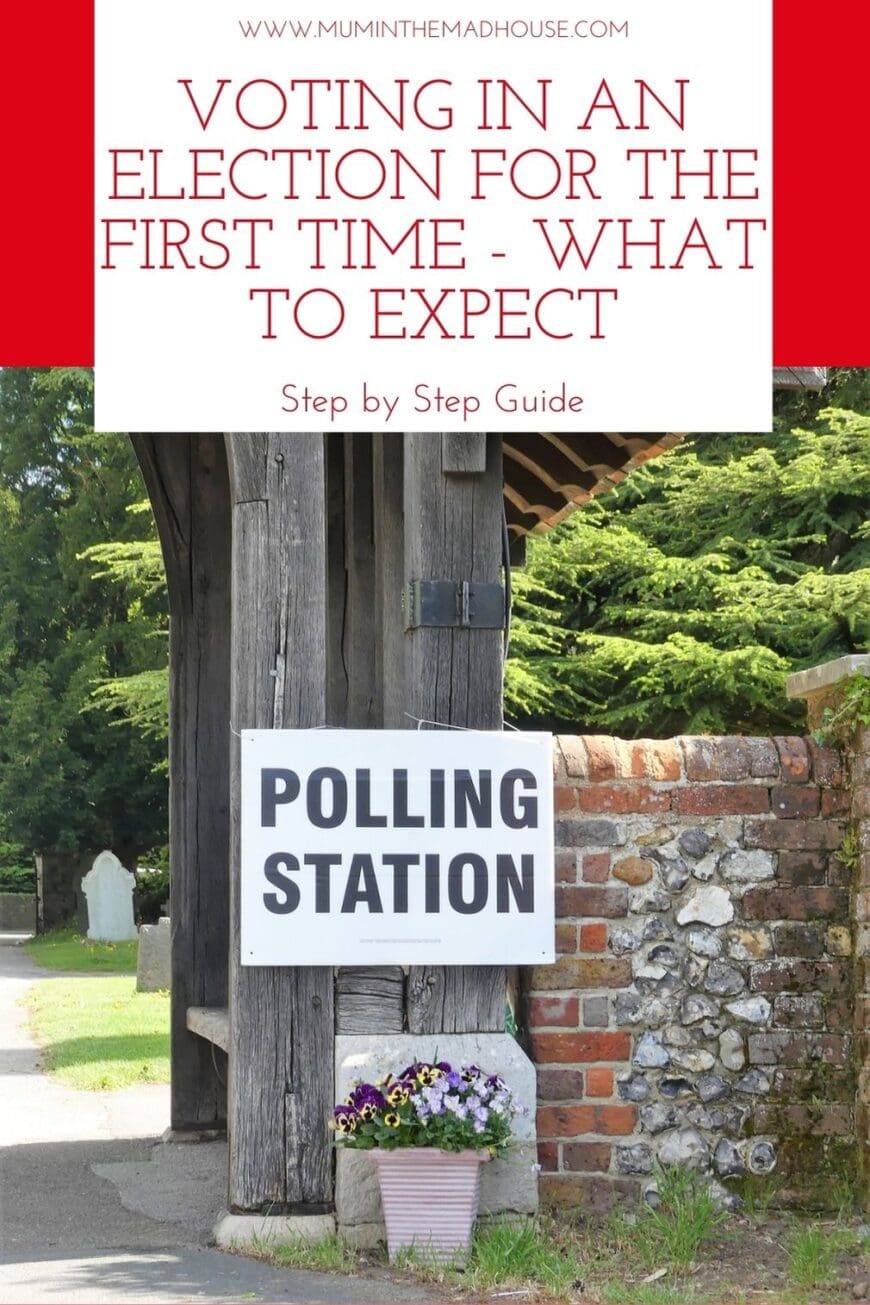
What happens when I go to the polling station?
When you first go into the polling station the first thing that you will be asked is for your address. This is because the list they have of who is allowed to vote is arranged by street. If you are at a large polling station it might be that you have to follow signs or instructions to a specific desk that covers your road.
When you have given your address staff will check your name is on the list. This is particularly important if there are several people with the same surname at the same address. This is where polling station staff find it useful to have your polling card as it can make it easier for them to find you on the list.
Once staff have checked that you are on the list they will ask to see your Photo ID and they will then check that it is valid and you look like the photo on it.
When your ID has been checked and handed back to you your ballot paper will be issued to you. The ballot paper is what you will use to cast your vote. When it is issued to you the reference number on the back will be written on a list by polling station staff. This is a check that all papers have been issued correctly and is not used to track how you vote in any way.
What do you do with the ballot paper?
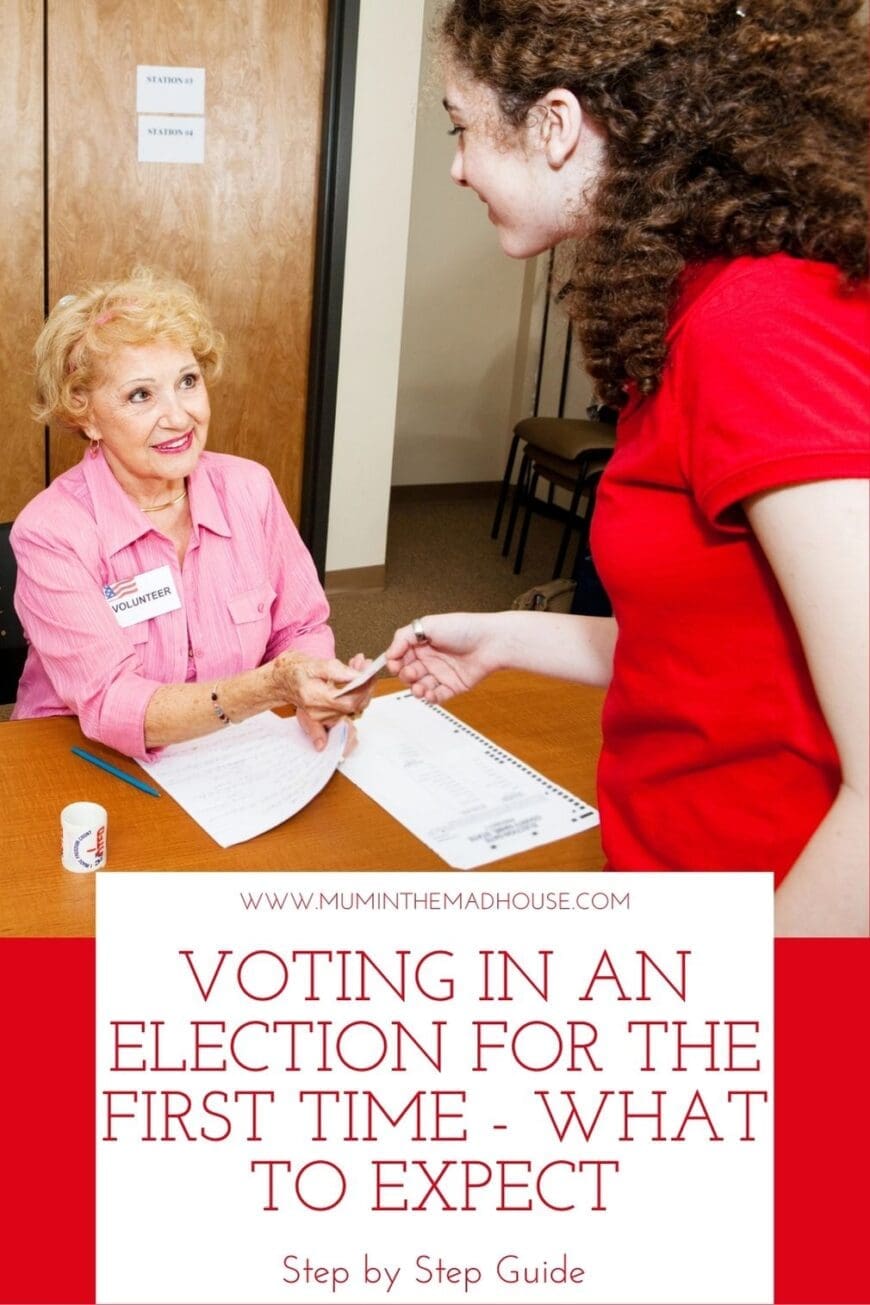
Once you have your ballot paper you will be directed to one of the wooden polling booths so that you can cast your vote in secret.
The ballot paper contains a list of all candidates standing in your constituency in alphabetical order by surname. It will clearly identify which political party they are standing for and might feature party logos and slogans next to their name.
There is a space next to each candidate which is where you put your vote.
In the voting booth there will be a pencil. Use this to write a large “X” in the space next to your preferred candidate. In the General Election you can only vote for one candidate.
If you write anything else on your ballot paper or vote for more than one candidate then this is classed as “spoiling your ballot” and your vote will not count.
If you make a mistake on your ballot paper then please just talk to polling station staff and a new one can be issued.
When you have put something on your ballot paper fold it in half (it may well have been given to you folded already) and then place it in the black ballot box. You post it into this through a slot in the lid.
Once your paper is in the ballot box you’re finished. You don’t need to do anything else and can leave the polling station. This might be via a different door to the one you came in through as polling stations can put in place one way systems to help people move around the building safely.
I need some help casting my vote – what do I do?
Staff working in the polling station are trained to help you cast your vote. There are clear signs in the polling booths telling you what to do and if you need any accessibility help they can provide that.
Who are the people outside the polling station asking for my voter number?
These people are called tellers and they are volunteers working for the political parties and their local candidates. They are not allowed inside the polling station but are allowed outside. They try to keep track of who has voted locally. This is so that they can encourage people that they might be expecting to vote for them to actually go and vote on the day. Despite being there on behalf of political parties tellers usually work together and share voter numbers between them, so don’t think you only have to talk to the one from the party you support. You also don’t have to speak to the tellers at all if you don’t want to