

Busy households do not need a perfect system; they need a repeatable one. Guidance from trusted nutrition and waste-reduction sources, plus a scan of the kind of practical meal-planning resources busy families already use, shaped the approach below so it feels realistic on a Tuesday, not just inspiring on a Sunday.
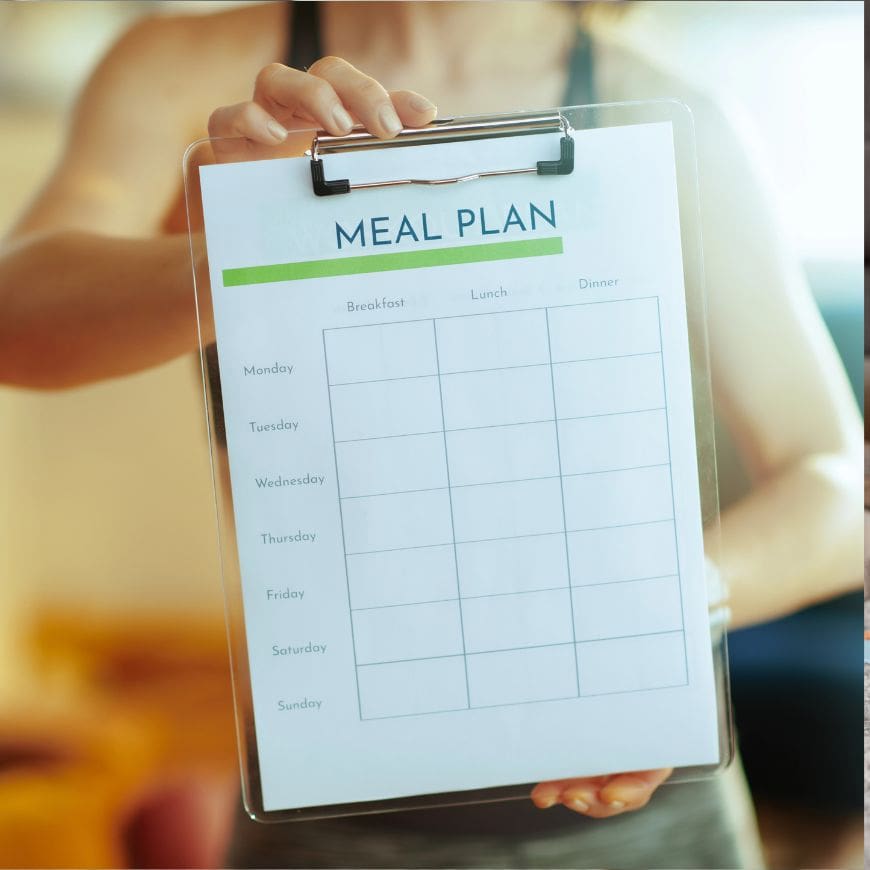
The goal is simple: plan one week of dinners (and a few easy breakfasts and lunches) with fewer decisions, fewer forgotten ingredients, and less last-minute takeaway.
Start with a flexible 15-minute planning ritual
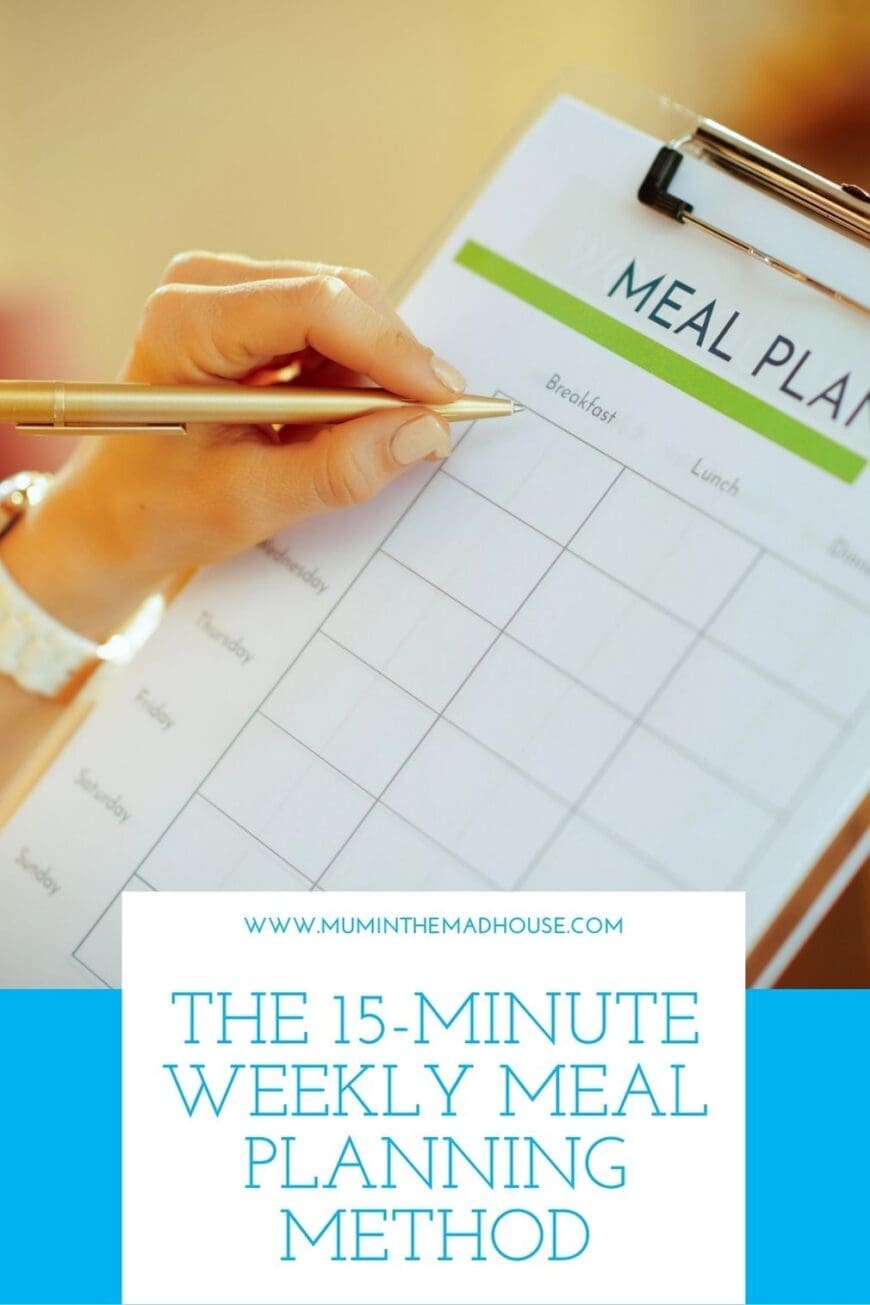
A weekly plan works best when it is light, not strict. Set a timer for 15 minutes and run this quick routine.
1) Pick your “anchor nights.”
Most homes have predictable chaos points, after-school clubs, late meetings, and sports practice. Choose 2–3 nights that need the easiest meals, like sheet-pan dinners, stir-fries, or big salads with a protein.
2) Choose a theme for the other nights.
Themes cut decision fatigue. Try Taco Tuesday, Pasta Night, Breakfast-for-Dinner, Traybake Night, Soup and Sandwich. Themes also make it easier to reuse ingredients across meals.
3) Plan for one “disrupted meal.”
Plans get bumped by life. Build in a night that can slide, like leftovers, freezer dumplings, omelettes, or a charcuterie-style snack plate. That one buffer reduces the odds of buying food that never gets eaten.
4) Make leftovers intentional.
Instead of “maybe leftovers,” choose one meal that is designed to double. Roast chicken becomes wraps, grain bowls, or fried rice. A chilli becomes loaded baked potatoes. A tray of roasted veg becomes pasta, soup, or quesadillas.
5) Keep the plan visible.
A note on the fridge or a shared phone note is enough. The point is fewer questions at 4:30 pm.
Build a smart list that protects health and budget
Once the meals are sketched, turn them into a list that is organised by how real people shop and cook. This is where a healthy grocery delivery routine can save the most time, since it encourages building a basket from meals rather than wandering aisles and hoping it all works out.
Use a simple “core list” framework:
A) The balanced plate check
A weekly plan feels healthier when each main meal roughly includes:
- Fruit and vegetables
- A protein
- A high-fiber carb (wholegrains or potatoes)
- A dairy or alternative
- Small amounts of oils or spreads
Think of this as balance across the week, not perfection at every meal.
B) The “repeat ingredients” rule
Choose ingredients that show up at least twice. It cuts waste and makes the basket cheaper. Examples:
- Baby spinach for salads and omelettes
- Greek yogurt for breakfast and sauces
- Chicken or tofu for two different flavours
- A grain like rice or quinoa for bowls and stir-fries
C) The five “save the week” items
These are the things that stop a plan from falling apart:
- Eggs
- Frozen veg
- Tinned beans or lentils
- A quick carb (wraps, pasta, microwave rice)
- A sauce or seasoning you love
D) A snack plan, not a snack free-for-all
Busy homes snack. Plan it. Add 2–3 “grab and go” options that are easy to portion: fruit, cheese sticks, hummus, yogurt, nuts. Planning snacks often reduces random extra purchases.
E) A quick waste check
Before checkout, scan the fridge and freezer and ask: “What needs using first?” This simple habit helps prevent buying duplicates and reduces the odds that fresh food gets forgotten.
Make delivery work for real life
Grocery delivery is not just about convenience; it is about reducing the number of decisions you have to make in a week. A few small habits make it work better.
1) Save a “default basket.”
Most households buy the same basics repeatedly. Save the staples, then edit based on that week’s dinners. The routine becomes: load the default, add meal-specific items, adjust quantities.
2) Shop the plan, not the cravings.
Online shopping makes impulse buying easier in some ways and easier to avoid in others. Stick to the plan list first. If extras still sneak in, add a rule like “one treat item per person.”
3) Use delivery windows strategically.
If possible, schedule delivery for the day you usually plan or cook the most, often the weekend. That reduces midweek top-up trips, which often lead to overspending.
4) Choose “shortcut” products that still feel like real food.
Busy households can lean on pre-chopped veg, ready grains, or pre-portioned proteins without sacrificing nutrition. The healthier choice is often the one that actually gets cooked.
5) Keep a one-page “family favourites” menu.
When energy is low, decision-making is the problem. A short list of 10 meals everyone accepts is gold. Rotate them, then add one new recipe a week if you want variety.
6) Label leftovers like a future you live here.
A bit of masking tape and a date turns leftovers into a plan, not a mystery box. It also makes it easier to spot what should be eaten first.
Your next week, sorted
A smarter grocery plan is not about cooking like a food blogger every night; it is about setting up your week so dinner happens with less stress. Keep the ritual short, build a list that repeats ingredients, and let a healthy grocery delivery routine do the heavy lifting on time and decision fatigue. Small planning choices add up to calmer evenings, a steadier food budget, and fewer sad veg bags at the back of the fridge.