

Botanical extracts have become a cornerstone of modern wellness, beauty, and even food innovation. From herbal teas to skincare serums, these plant-derived ingredients are valued for their natural origins and functional benefits. But what exactly are botanical extracts, and why are they so widely used today?

This guide breaks down the essentials of botanical extracts to help you understand their role, benefits, and growing appeal.
What Are Botanical Extracts?
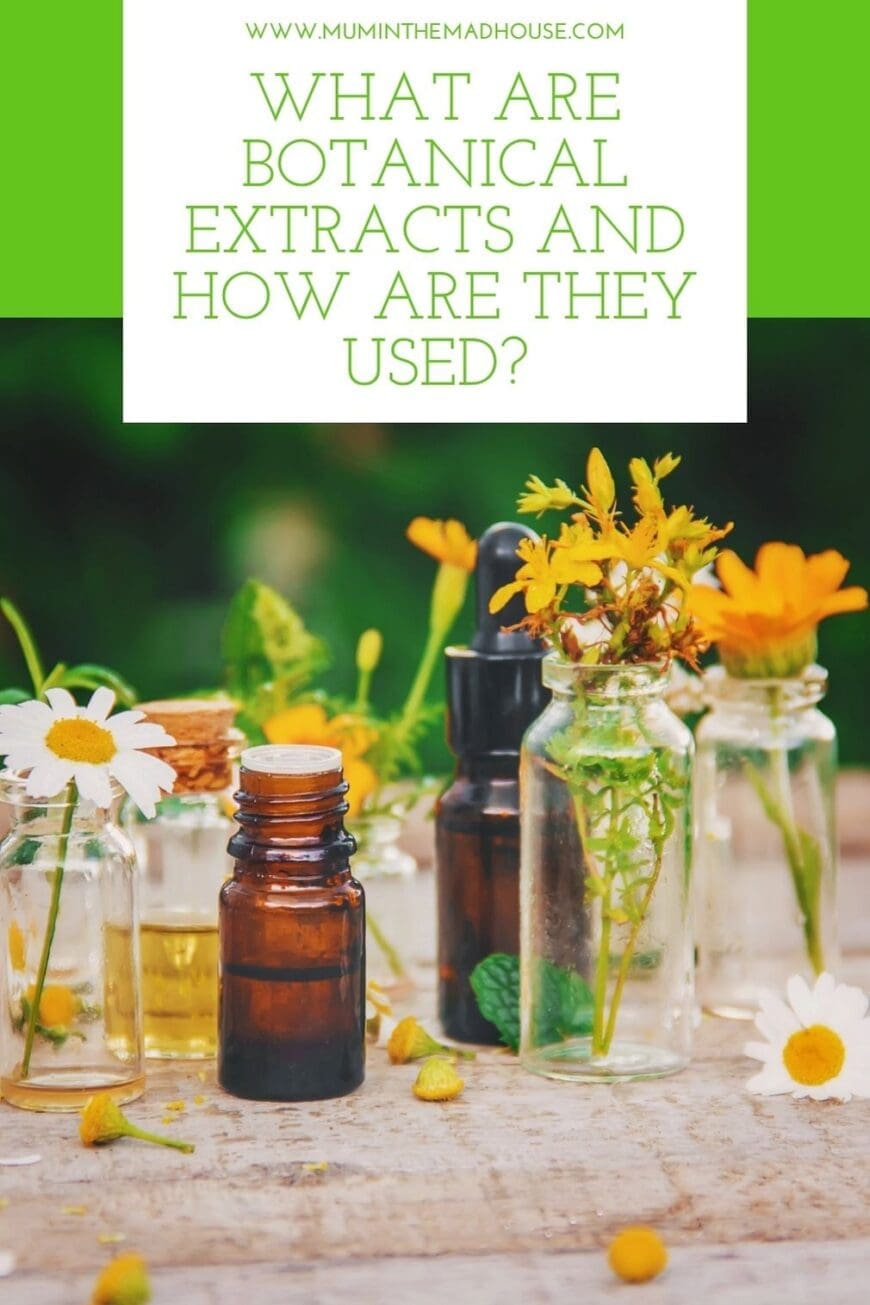
Botanical extracts are concentrated substances derived from plants such as leaves, roots, flowers, seeds, or bark. These extracts are created by using solvents like water, alcohol, or oils to isolate beneficial compounds from plant material.
The result is a potent mixture of bioactive compounds—such as flavonoids, alkaloids, and polyphenols—that can deliver targeted effects in various applications.
They can come in different forms, including:
Liquid extracts
Often used in tinctures, tonics, and beverages
Powdered extracts
Common in supplements and functional foods
Oils and concentrates
Widely used in cosmetics and aromatherapy
Why Botanical Extracts Are So Popular
1. Natural and Plant-Based Appeal
Consumers are increasingly drawn to natural ingredients. Botanical extracts align with this preference by offering plant-derived alternatives to synthetic chemicals, especially in skincare and wellness products.
2. High Concentration of Active Compounds
Unlike raw plants, extracts concentrate the most beneficial components, making them more effective in smaller amounts.
3. Versatility Across Industries
Botanical extracts are used in:
Food and beverages
For flavor, color, and nutritional enhancement
Cosmetics
For skin, hair, and anti-aging formulations
Supplements
For targeted health support and wellness routines
Key Benefits of Botanical Extracts
1. Rich in Antioxidants
Many plant extracts contain antioxidants that help combat oxidative stress, which can damage cells and accelerate aging.
2. Anti-Inflammatory Properties
Compounds like polyphenols and flavonoids can help reduce inflammation, supporting overall health and skin balance.
3. Skin Health Support
Botanical extracts are widely used in skincare because they can hydrate, soothe irritation, and improve skin texture.
4. Immune System Support
Certain plant extracts are associated with improved immune function by supporting the body’s natural defense mechanisms.
5. Digestive and Metabolic Benefits
Extracts from herbs like ginger or peppermint may help with digestion and gut health.
6. Potential Therapeutic Effects
Research suggests plant extracts may have broader health benefits, including antimicrobial, cardiovascular, and even anticancer properties, though ongoing studies are still exploring these effects.
Common Types of Botanical Extracts
1. Herbal Extracts
Derived from medicinal plants such as chamomile or ginseng, often used in teas and supplements
2. Essential Oils
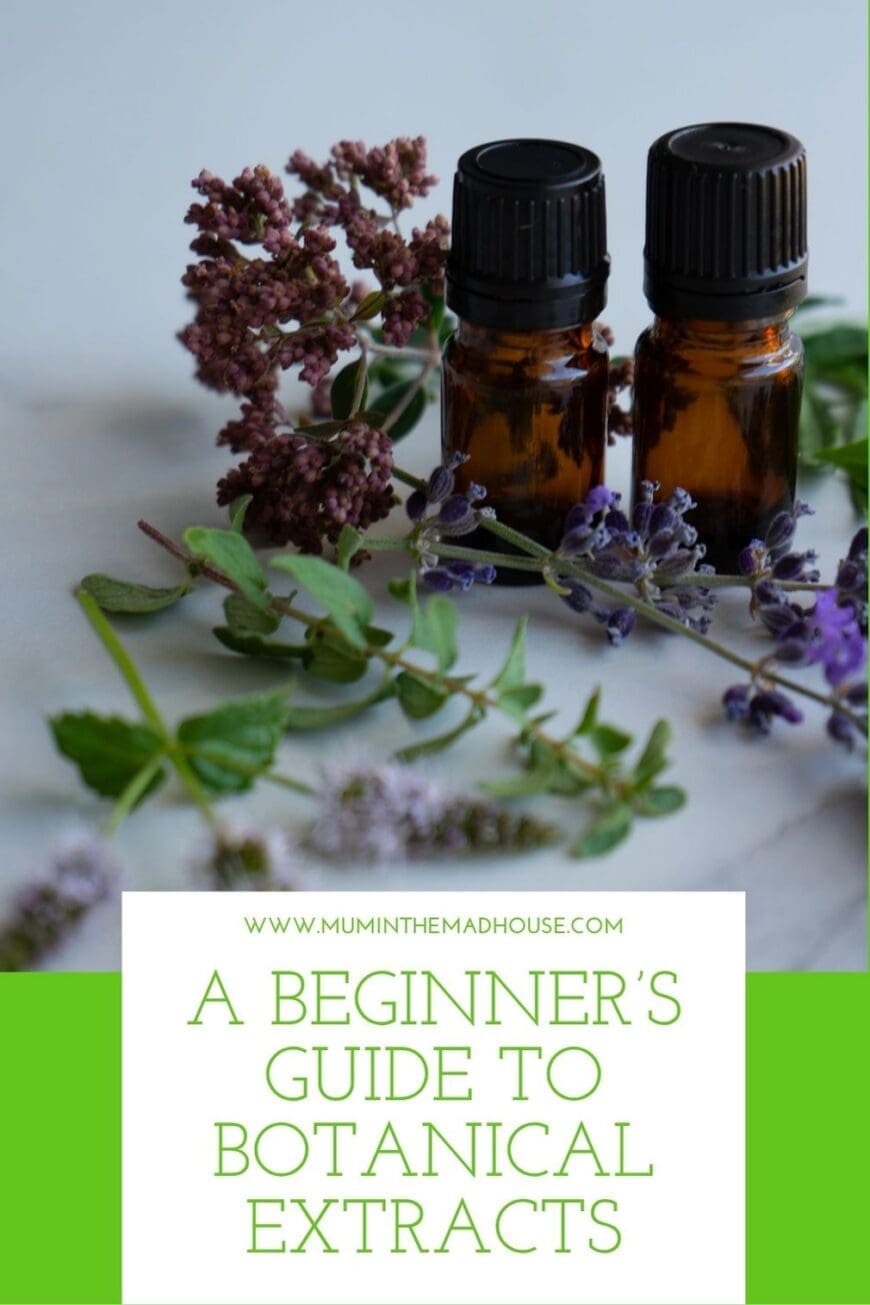
Highly concentrated aromatic extracts used in aromatherapy and cosmetics
3. Fruit and Seed Extracts
Examples include grape seed or green tea extracts, known for antioxidant content
4. Adaptogenic Extracts
Plants like ashwagandha and rhodiola that help the body adapt to stress
How Botanical Extracts Are Made
1. Selection of Plant Material
Specific parts of the plant—such as roots or leaves—are chosen based on their active compounds
2. Extraction Process
The plant material is soaked or processed with a solvent to dissolve the beneficial compounds
3. Filtration and Concentration
The liquid is filtered and refined to create a concentrated extract
4. Standardization
Some extracts are standardized to ensure consistent potency and quality
The extraction method can significantly influence the final product’s effectiveness and composition.
Everyday Uses of Botanical Extracts
Skincare and Beauty
Used in creams, serums, and lotions for hydration, anti-aging, and soothing effects
Functional Foods and Drinks
Added to teas, health drinks, and snacks for flavor and wellness benefits
Supplements
Capsules, powders, and tinctures designed to support specific health goals
Traditional and Modern Medicine
Used for centuries in herbal medicine and increasingly studied in modern science
Considerations When Using Botanical Extracts
Quality Matters
The effectiveness of an extract depends on sourcing, processing, and purity
Concentration Levels
Higher concentration doesn’t always mean better—proper formulation is key
Potential Sensitivities
Even natural ingredients can cause reactions in some individuals
Regulation Differences
Botanical products, especially supplements, may not be as strictly regulated as pharmaceuticals
Conclusion
Botanical extracts represent a powerful intersection between nature and science. By concentrating the beneficial compounds found in plants, they offer versatile applications across health, beauty, and nutrition. Their antioxidant, anti-inflammatory, and functional properties make them an appealing choice for those seeking more natural solutions in everyday life.
As interest in plant-based ingredients continues to grow, botanical extracts are likely to remain at the forefront of innovation—bridging traditional knowledge with modern applications in a way that feels both familiar and forward-thinking.